
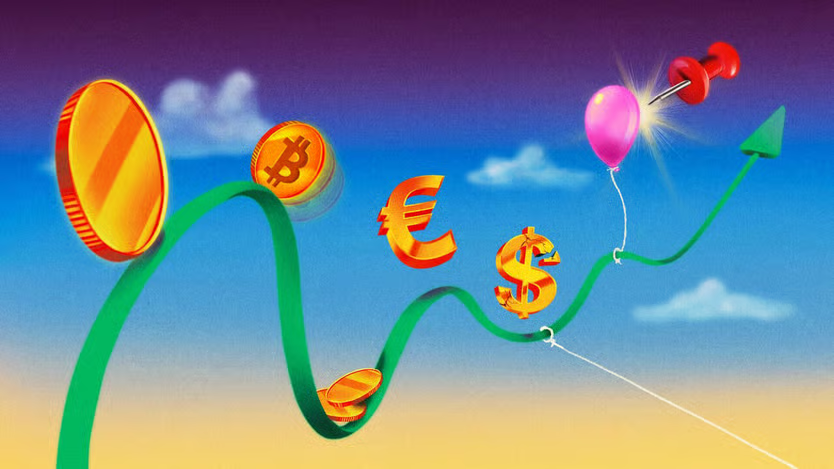
The year 2025 has been a rollercoaster for global markets, defined by trade tensions, a surge in gold demand, and a weakening US dollar. As investors, policymakers, and consumers navigated these shifts, key trends emerged that offer insight into the forces shaping the global economy. Charts and data across sectors reveal a year of volatility, strategic shifts, and opportunities amidst uncertainty.
Tariff Turmoil and Trade Disruption
Trade policies continued to dominate headlines in 2025, with new tariffs imposed by major economies reshaping global supply chains. Import duties on a range of goods — from agricultural products to industrial machinery — triggered price spikes and altered trade flows. Data shows that US imports from affected countries fell by nearly 12% over the year, while some nations redirected exports to alternative markets.
The impact was most visible in commodity sectors. Agricultural staples like soybeans, corn, and specialty products saw price volatility as tariffs disrupted established trade patterns. Manufacturing sectors dependent on imported components experienced supply chain bottlenecks, prompting some firms to accelerate reshoring or diversify sourcing.
The Gold Rush
Amid global uncertainty, investors turned to gold as a safe haven. The price of gold climbed steadily, reaching multi-year highs in mid-2025, reflecting concerns over inflation, currency volatility, and geopolitical tensions. Charts indicate a nearly 15% increase in global gold prices compared to the start of the year, highlighting its role as a hedge against economic instability.
Central banks also contributed to the surge, with many increasing gold reserves as part of strategic diversification. Retail demand mirrored these trends, as individuals in both emerging and developed markets purchased gold coins, bars, and jewelry to preserve wealth against market fluctuations.
The Sinking Dollar
Perhaps the most watched trend of 2025 has been the US dollar’s decline against major global currencies. Factors contributing to the dollar’s weakness include widening trade deficits, changing Federal Reserve policies, and relative economic performance abroad. By late 2025, the dollar index fell to levels not seen in over a decade, fueling both concern and opportunity for international investors.
A weaker dollar had ripple effects worldwide. Commodity prices, denominated in dollars, rose, affecting everything from oil to metals. Emerging-market currencies benefited, gaining strength relative to the greenback and providing relief to debtors with foreign-denominated loans. For multinational corporations, revenue from overseas operations grew when converted back into weaker dollars, providing a cushion in otherwise turbulent times.
Looking Ahead
The charts of 2025 tell a story of adaptation and recalibration. Tariffs reshaped trade flows, gold reaffirmed its status as a reliable store of value, and the sinking dollar altered investment strategies. Analysts suggest that these trends will continue to influence markets into 2026, requiring policymakers and investors to remain agile.
While volatility has created uncertainty, it has also opened opportunities for diversification, risk management, and strategic positioning. From commodities to currency markets, the numbers from 2025 underscore the interconnected nature of global finance and the importance of data-driven decision-making in a rapidly changing world.











Leave a Reply