

Kathmandu is reeling from one of the deadliest political upsets in Nepal in decades. Authorities announced that at least 72 people have died following anti-corruption protests, with over 2,100 others injured as search teams continue recovering bodies from burned buildings, homes, and shopping malls.
What Triggered the Unrest
The protests erupted out of youth-led frustration over widespread corruption, economic inequality, and the perception that political elites and their families are exempt from accountability. While a recent ban on social media platforms helped spark the immediate anger, the demonstrations quickly broadened into a full-scale expression of discontent with governance and privilege.
Relaxation and Escalation
Protesters set fire to several prominent institutions — including the Supreme Court, Parliament, ministries, police posts, and the private residences of prominent political figures. The response from security forces included tear gas, rubber bullets, and attempts to contain the unrest. Many buildings were severely damaged or destroyed.
Political Fallout
- The country’s Prime Minister, facing mounting pressure from citizens and political opponents, resigned in the wake of the unrest.
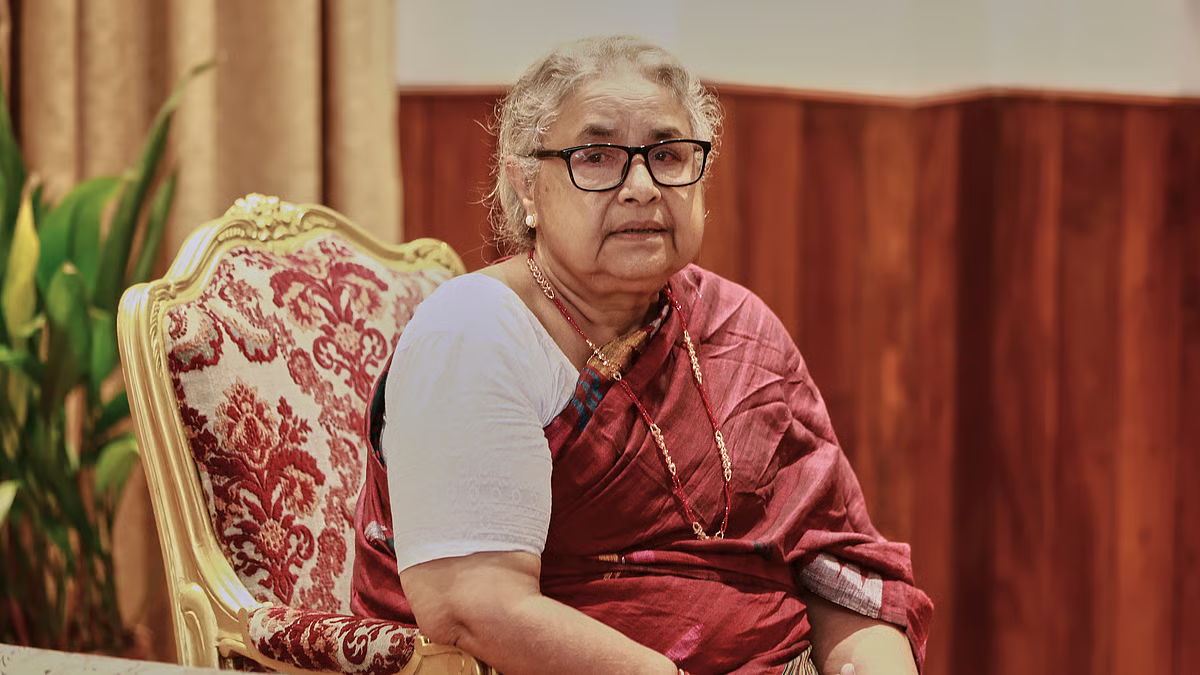
- Sushila Karki, a former Chief Justice with a strong anti-corruption reputation, was appointed interim Prime Minister. She becomes Nepal’s first female head of government in this role.
- A parliamentary election has been scheduled for March 5th, under the interim leadership.
Government Response & Support Measures
The interim government has made some commitments:
- Each family of someone killed will receive 1 million rupees in compensation.
- Medical treatment will be provided free of charge to those who were injured.
- Karki has called for calm, national unity, and for rebuilding the infrastructure that was damaged during the protests.
- Emphasis has also been placed on restoring trust in public institutions and responding to protesters’ demands for transparency and justice.
Broader Implications
This outbreak of political violence reflects generational shifts in Nepal. Youth activists, often organizing online, have shown a willingness to confront longstanding issues like corruption, social inequality, and political stagnation. The “social media ban” that catalyzed the protest revealed broader anxieties about free speech and governance.
The interim government faces a difficult task: restoring order without alienating protesters, rebuilding infrastructure, investigating abuses during the protests, and ensuring any upcoming elections are seen as fair and credible.
What to Watch
- How the interim government handles accountability — whether there will be investigations into the deaths, damage to property, and use of force by security forces.
- The effectiveness of the promised compensation and medical care, in both speed and fairness.
- Whether the March parliamentary elections proceed peacefully and are accepted as legitimate by both citizens and political challengers.
- Whether youth-led activist networks continue to have influence in shaping political direction in Nepal.









Leave a Reply