

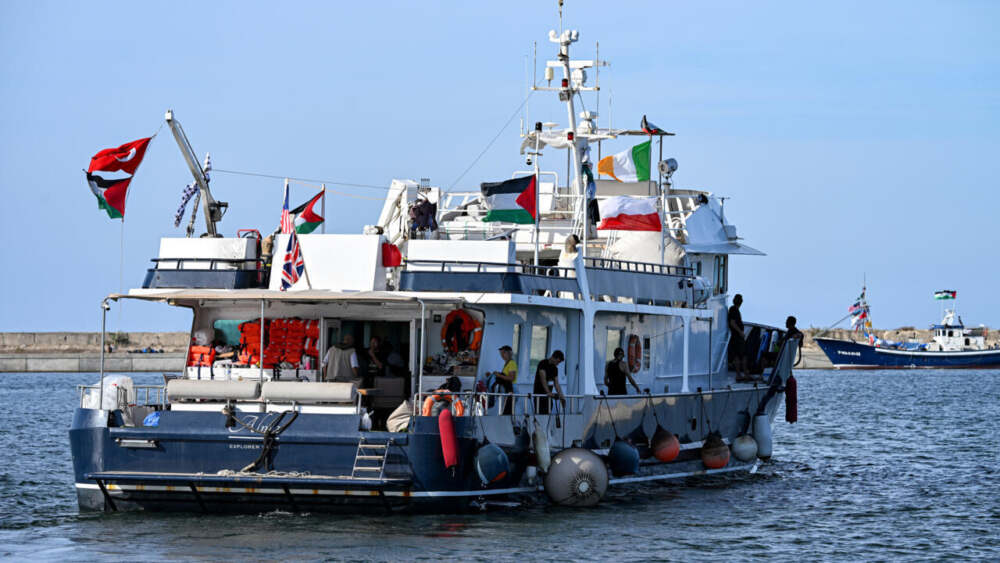
Italy has escalated its involvement with the Global Sumud Flotilla, dispatching a second naval vessel to provide support to the humanitarian mission that seeks to deliver aid to Gaza. The decision comes after multiple incidents involving drones targeting the flotilla in international waters.
What’s Going On
- The flotilla, consisting of roughly 50 civilian vessels and carrying activists, lawyers, human rights observers, and Swedish campaigner Greta Thunberg, is trying to break the Israeli naval blockade of Gaza.
- Drone attacks in international waters off the Greek island of Gavdos, which dropped stun grenades and “itching powder” on some of the boats, caused damage though no injuries.
Italy’s Response
- In light of those attacks, Italy dispatched one frigate and has now approved sending a second ship. The aim is to assist Italian citizens aboard the flotilla and help with rescue operations if needed.
- Italy’s Defence Minister, Guido Crosetto, emphasized that this deployment is a humanitarian effort, not a provocation. He cautioned the flotilla against trying to forcibly breach the blockade, warning of significant risks, particularly in waters where rescue operations may not be feasible.
Diplomatic Tensions and Alternatives
- Rome had proposed an alternative to breaking the blockade directly: dropping off the aid in Cyprus, where the Latin Patriarchate of Jerusalem would handle its transfer into Gaza. The flotilla rejected this plan, insisting that their mission’s goal is not just aid delivery but also challenging what they claim is an “illegal siege.”
- Israel, for its part, objects to the flotilla’s attempt to bypass the blockade. It insists that any aid be handed over at Israeli-controlled ports or adjacent states, and that breaching the naval blockade would violate what it considers legitimate security measures.
Spain Joins In
- Spain has also signaled its involvement. The Spanish government is preparing to send a warship to assist in the flotilla’s protection should it become necessary, reinforcing pressure on international norms about safety in maritime humanitarian missions.
Risks & Reactions
- While no injuries have been reported from the drone attacks, several vessels suffered damage. Activists aboard say the attacks also included communication disruptions.
- Italy has publicly urged caution, both for the flotilla organizers and for participants. The government’s message frames its naval deployment as being motivated by duty of care for its citizens, not as backing a confrontational strategy.
- Domestically, there are mixed reactions: some praise the humanitarian motive and Italy’s effort to protect its nationals, others warn of escalating confrontation and the potential for diplomatic fallout.
Wider Implications
- This development highlights the increasing complexities of delivering humanitarian aid in conflict zones, especially when naval blockades, disputed territories, or security concerns intersect.
- It underscores diplomatic strain among countries that are trying to balance moral and humanitarian imperatives, public opinion, and international law, with concerns over safety and national sovereignty.













Leave a Reply