

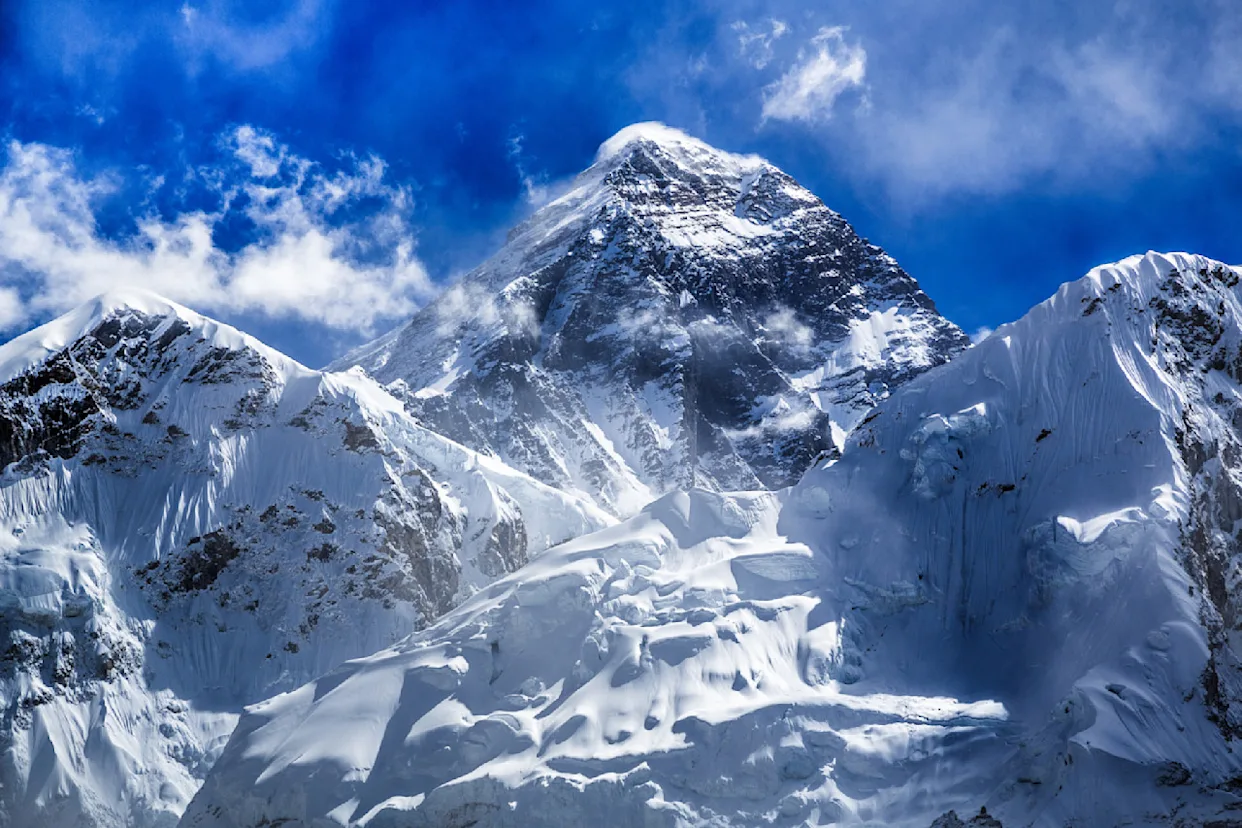
TIBET — As daylight fades across the frozen slopes near Mount Everest, rescue teams are locked in a desperate race to evacuate more than 200 trekkers stranded by a powerful snowstorm in Tibet’s Karma Valley. The high-altitude operation, unfolding under brutal weather conditions, has gripped China and the global climbing community alike — a stark reminder of nature’s supremacy in the Himalayas.
Officials coordinating the mission said the rescue effort began late Monday and is expected to continue into Tuesday, with teams facing near-zero visibility, biting winds, and sub-freezing temperatures. The trekkers — a mix of Chinese citizens and foreign climbers — were caught off guard when a fast-moving blizzard blanketed mountain passes over the weekend, burying trails under several feet of snow and cutting off communication lines.
The Disaster Strikes Without Warning
The storm hit with little advance notice. On Friday evening, hikers in the Karma Valley region — known for its breathtaking glaciers and proximity to Everest’s eastern face — reported a sudden temperature plunge and winds exceeding 70 kilometers per hour. By Saturday morning, snow accumulation reached dangerous depths, collapsing tents and trapping trekkers in remote sections of the route between Nyalam and Tingri.
According to local officials, at least 500 trekkers were scattered across different altitudes when the blizzard struck. Early rescue efforts managed to reach hundreds of those stuck in lower regions, but those above 13,000 feet remained unreachable due to impassable trails.
One survivor, Eric Wen, recounted the ordeal after reaching safety:
“We walked nearly 18 kilometers through heavy snow, following the footprints of others ahead. Without those tracks, I think we wouldn’t have made it. The snow was up to our knees, sometimes higher. The cold felt like knives against our skin.”
Wen’s words echo the desperation shared by many who endured more than 24 hours of freezing isolation, huddled in makeshift shelters while waiting for rescue teams to arrive.
Massive Rescue Operation Underway
Chinese authorities quickly mobilized a large-scale response, deploying dozens of mountain police units, local guides, and military helicopters to the scene. Rescue crews are operating out of a base near Tingri County, which serves as a staging area for Everest expeditions.
According to an official briefed on the operation, more than 350 people have already been rescued from lower altitudes. However, over 200 trekkers remain stranded farther up the slopes, many suffering from frostbite, altitude sickness, and exhaustion.
Rescue teams are racing to reach them before weather conditions deteriorate again. Forecasts suggest that another cold front could hit the region within 48 hours, potentially dumping more snow and making air evacuation impossible.
“Time is not on our side,” said a member of the Tibetan emergency services. “The air is thin, the snow is unstable, and every step can trigger a slide. But we cannot leave anyone behind.”
Logistical and Environmental Challenges
The Karma Valley, sitting at elevations between 13,000 and 16,000 feet, is one of the least accessible trekking zones on the Tibetan Plateau. Unlike Nepal’s southern Everest approach, this side has minimal infrastructure, no permanent shelters, and limited medical facilities.
Rescue teams face multiple obstacles:
- Avalanche risk: Accumulated snow on steep slopes poses a serious danger to both rescuers and survivors.
- Thin air: The high altitude makes sustained physical effort extremely taxing.
- Communication blackout: Many trekkers lost contact when satellite signals failed during the storm.
- Limited air access: Helicopters can only operate during daylight and when winds subside, leaving ground teams to cover most of the terrain on foot.
Authorities have brought in thermal drones to locate heat signatures beneath the snow and are using rescue dogs trained for high-altitude search missions.
Tragedy and Survival Across Western China
The Everest region was not the only area affected by the powerful cold wave. In the Qilian Mountains of western China, a separate group of hikers was trapped in a deep ravine during the same storm. One trekker reportedly died from hypothermia and altitude-related complications, while more than 250 others were successfully rescued.
Further north, in the Altai Mountains of Xinjiang, authorities suspended all hiking and camping expeditions after another group of tourists was found suffering from exposure. Several needed hospitalization after enduring subzero temperatures without adequate gear.
The severity of the storms — rare in early October — has raised concerns about shifting weather patterns and the growing risks associated with mountain tourism as climate instability disrupts traditional seasonal norms.
Resilience Amid Crisis
Despite the mounting dangers, the rescuers’ determination has become a source of inspiration across China. Social media platforms are flooded with messages of solidarity and prayers for those still stranded. Families anxiously await updates, while veteran climbers volunteer advice and equipment.
One experienced Himalayan guide, Tsering Dorje, praised the rescuers’ efforts:
“This is one of the hardest rescue environments on Earth. Even for professionals, moving at these altitudes in blizzard conditions is brutal. What they are doing is heroic.”
Locals have also joined the operation, guiding teams through known trails and offering hot tea and shelter to exhausted survivors arriving at lower camps.
Authorities Promise Review of Safety Measures
As the evacuation continues, questions are being raised about whether better forecasting, preparedness, or communication systems could have prevented the crisis. The Chinese government has promised a full review once the rescue mission concludes.
Early reports suggest that local agencies may have underestimated the storm’s severity, leaving some trekking groups without sufficient warning or evacuation protocols.
Tour operators are expected to face tougher regulations in the coming months, including mandatory GPS tracking, minimum safety gear requirements, and stricter permits for high-altitude expeditions.
Hope and Uncertainty in the Mountains
As of Monday evening, rescue teams had reached several high-altitude camps and were escorting survivors to base points for medical evaluation. Authorities remain cautiously optimistic that all remaining trekkers can be rescued by Tuesday — weather permitting.
For now, the slopes of the eastern Himalayas are filled with both peril and persistence. Every signal from a trapped hiker, every flare shot into the icy sky, fuels a coordinated response driven by urgency and hope.
The world’s tallest mountain has long been a symbol of endurance and ambition. This week, amid blinding snow and silence, it has once again become a battleground — not for glory, but for survival.


















Leave a Reply