


In one of the most dramatic commodity market surges in recent memory, silver prices have roared past the $50 mark, driven by a powerful short squeeze and surging investor demand for safe-haven assets. The rally has stunned traders worldwide, revealing deep imbalances in supply chains and triggering panic among short sellers scrambling to cover their positions.
A Perfect Storm in the Silver Market
The spark behind silver’s meteoric rise lies in an intense short squeeze that began in the London market. Traders who had bet against the metal suddenly found themselves facing mounting losses as borrowing costs for silver shot higher and physical supplies tightened. Within hours, premiums on silver contracts in London soared well above those in New York, signaling a severe shortage of deliverable metal.
Adding to the chaos, reports from logistics firms indicated that traders began airlifting silver bars from the United States to Europe—a highly unusual and costly move for such a heavy commodity. This logistical desperation underscored just how strained the global silver market had become, with supply chain disruptions, surging industrial demand, and speculative pressures all colliding at once.
Why Investors Are Rushing to Silver
While silver’s recent rally has been partly technical, it’s also rooted in broader macroeconomic forces. The ongoing volatility in global markets, coupled with fears of an economic slowdown and renewed geopolitical tensions, has driven investors toward traditional safe-haven assets.
Gold, silver’s long-time counterpart, has also rallied sharply—recently touching record highs above $4,000 per ounce. But silver’s dual identity as both a precious and industrial metal has given it extra momentum. Growing demand from the renewable energy sector, especially for solar panels and electric vehicles, is fueling long-term optimism about the metal’s future value.
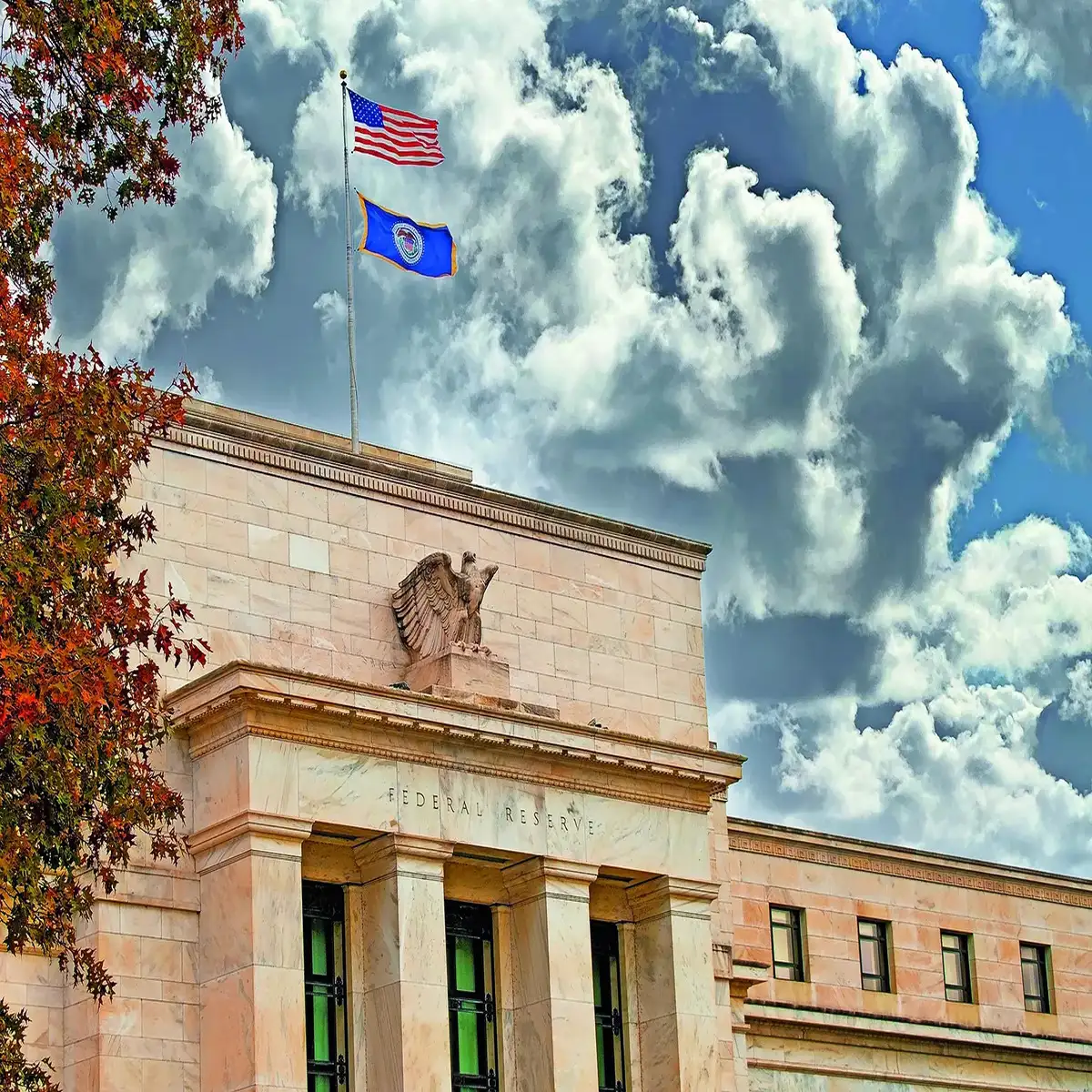
At the same time, expectations that the U.S. Federal Reserve will begin cutting interest rates have added further fuel to the fire. In a lower-rate environment, holding non-yielding assets like silver becomes far more attractive, particularly when inflation fears remain elevated.
A Dangerous Game for Short Sellers
The current squeeze is one of the largest seen in the silver market in decades. Analysts say that the cost to borrow silver for short positions—known as the lease rate—has surged into double digits. This signals severe scarcity and suggests that some traders may soon be forced to buy back their positions at any price, adding even more upward pressure.
However, the same factors that have driven silver up could also make it volatile. Silver is historically more unpredictable than gold, often rising faster in bull markets but plunging harder when sentiment shifts. Once the current short squeeze unwinds, prices could retreat sharply if supply pressures ease or speculative enthusiasm fades.
The Bigger Picture: Inflation, Industry, and Investor Psychology
This silver boom is about more than just speculation—it reflects deep structural issues in the global economy. The metal is essential in sectors such as solar energy, medical technology, and electronics, all of which have seen rapid growth in demand. Yet, mining output has not kept pace, creating a long-term supply deficit that magnifies the impact of short-term trading frenzies.
For institutional investors, the rally serves as both a warning and an opportunity. The surge exposes the fragility of physical commodity markets, where logistical bottlenecks and financial speculation can combine to create extreme volatility. At the same time, it highlights silver’s enduring appeal as a hedge against uncertainty—a role it has played for centuries.
What Comes Next?
Forecasts for silver’s future vary widely. Some analysts now predict prices could climb toward $65 per ounce in the coming year if industrial demand continues to rise and central banks maintain accommodative policies. Others caution that the rally may be peaking, as soaring lease rates and margin calls begin to strain market liquidity.
Ultimately, silver’s trajectory will depend on whether the current crisis of confidence among short sellers becomes a sustained revaluation—or a temporary mania fueled by speculation.
For now, one thing is clear: silver has reclaimed the spotlight, proving once again that even in an age of digital assets and complex financial derivatives, the raw power of physical markets can still shake the global economy.













Leave a Reply