


In a move that could mark a critical turning point in the ongoing ceasefire negotiations, Israel has announced the reopening of Gaza’s Rafah crossing and a suspension of several punitive measures previously planned against Hamas. The decision comes after weeks of tension, humanitarian appeals, and intense international pressure urging both sides to uphold the fragile truce that has brought temporary calm to the region.
The decision, confirmed by multiple Israeli officials, indicates a recalibration of strategy by Prime Minister Benjamin Netanyahu’s government, balancing security priorities with growing diplomatic and humanitarian demands. The reopening of the Rafah crossing, Gaza’s southern gateway to Egypt, is seen as both a concession and a calculated gesture to maintain stability while ceasefire terms are further negotiated.
A Symbolic and Strategic Reopening
The Rafah crossing holds deep symbolic and strategic significance. For Gaza’s more than two million residents, it represents the only window to the outside world not directly controlled by Israel. The crossing had remained largely closed since hostilities intensified earlier this year, cutting off vital humanitarian supplies and isolating thousands of displaced residents seeking refuge or medical treatment abroad.
Under the new arrangement, Israel will permit the controlled passage of humanitarian convoys and limited civilian movement, including the return of Palestinians who fled the enclave during the fighting. Officials say more than 600 aid trucks are expected to pass through in the first phase, carrying food, medicine, fuel, and materials for infrastructure repairs.
According to local sources, coordination with Egyptian authorities and international aid agencies is already underway to ensure a smooth reopening. Security screenings will remain stringent, with Israel reserving the right to inspect cargo and passengers to prevent smuggling of weapons or restricted materials.
The Hostage Factor and Diplomatic Calculus
The reopening decision is closely linked to recent developments surrounding the return of hostages and the bodies of those who died in captivity. Hamas, through intermediaries, handed over the remains of several Israeli hostages earlier this week via the International Committee of the Red Cross. Israeli officials confirmed the identities of three of the deceased, while a fourth body remains under verification.
This gesture, though small, helped break a diplomatic deadlock. Israel had previously conditioned the reopening of border crossings and the easing of restrictions on Hamas fulfilling specific ceasefire obligations, including the release or accounting of hostages. By returning the bodies, Hamas offered a tangible signal of cooperation—enough, it seems, to prompt Israel’s partial policy reversal.
A senior Israeli official described the decision as “a humanitarian gesture in exchange for humanitarian action,” underscoring the sensitive balance between public compassion and political calculation.
Humanitarian Pressures Mount
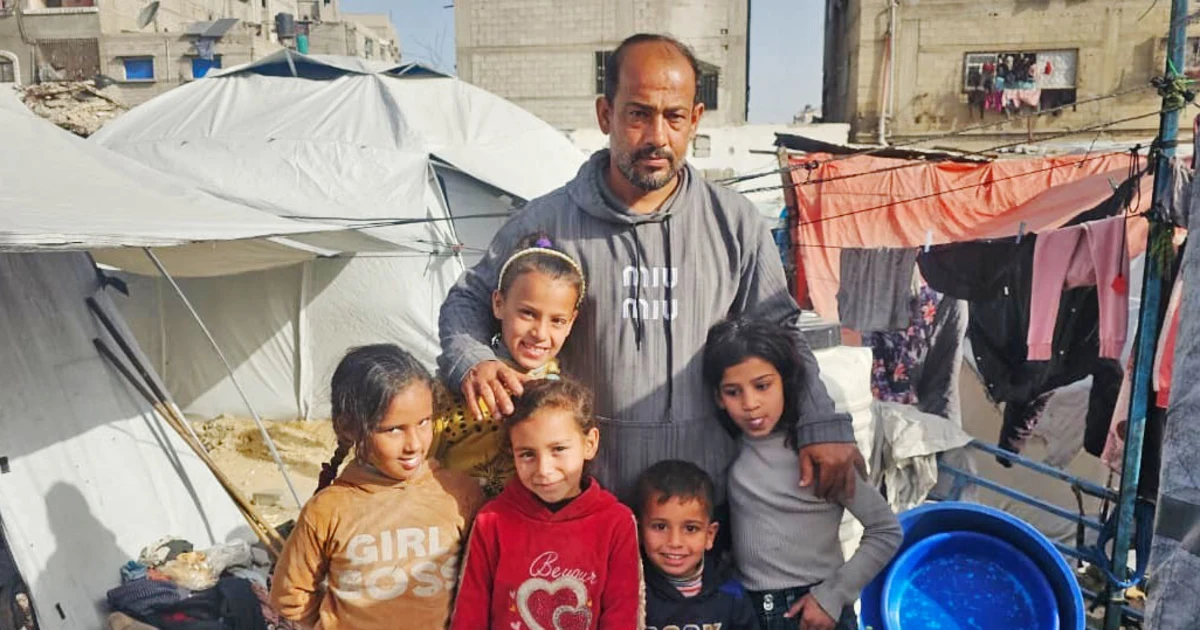
The humanitarian situation in Gaza has reached alarming levels. Food insecurity, fuel shortages, and medical crises have worsened as access to essential goods dwindled under tightened border controls. Aid agencies have warned that without a significant increase in aid flows, Gaza faces the risk of widespread famine and further health emergencies.
The reopening of Rafah offers immediate relief, though experts caution that it may only be temporary unless underpinned by a lasting political framework. “Every crossing that opens saves lives,” said a senior United Nations official, “but for it to matter, it has to stay open.”
Israel’s move also follows mounting diplomatic pressure from key allies, including the United States and several European nations, who have urged Jerusalem to allow humanitarian assistance to flow freely into Gaza as a condition for broader regional stability. Egypt, which controls the other side of the Rafah crossing, has been quietly mediating to ensure the agreement’s sustainability and to prevent renewed clashes.
A Tactical Retreat or Strategic Reset?
Analysts are divided over whether Israel’s shift marks a genuine change in strategy or a short-term tactical adjustment. Some argue that reopening Rafah serves as a pressure valve—reducing international criticism while maintaining leverage in negotiations with Hamas. Others see it as a pragmatic recognition that continued closure risked isolating Israel diplomatically and exacerbating the humanitarian crisis.
“This is not a surrender of pressure,” noted one regional expert. “It’s a recalibration. Israel needs to maintain moral legitimacy while still holding the upper hand militarily. Opening Rafah achieves both, at least for now.”
However, critics within Israel’s political establishment have expressed concern that easing restrictions could be interpreted as rewarding Hamas for minimal compliance. Far-right members of the governing coalition have publicly criticized the move, arguing that it undermines Israel’s deterrence strategy and sends the wrong message to militant factions.
Regional and International Reactions
The international response to Israel’s announcement has been cautiously optimistic. The United Nations and European Union both welcomed the reopening of the crossing, calling it a “necessary humanitarian measure” and a “positive step toward building trust.” The U.S. State Department reiterated its support for the ceasefire process and urged all parties to maintain restraint and transparency.
Egypt, a key intermediary in Gaza’s border politics, emphasized the importance of keeping the crossing operational and ensuring aid deliveries are not politicized. “The Rafah crossing must serve as a bridge for relief, not as a bargaining chip,” said an Egyptian foreign ministry official.
Meanwhile, in Gaza, residents have greeted the news with cautious hope. Crowds gathered near the southern border, awaiting trucks carrying food, fuel, and medical equipment. For many, the reopening represents a rare moment of optimism after months of hardship and uncertainty.
The Road Ahead: Fragile but Hopeful
While the reopening of Rafah marks a welcome development, the road ahead remains fraught with risk. Ceasefire negotiations continue, and both sides have yet to reach consensus on long-term political arrangements, reconstruction commitments, and the release of all remaining hostages.
The situation could change rapidly if either party perceives a breach of agreement or if violence reignites along the border. Yet, for now, the decision offers a temporary reprieve—a momentary pause in a conflict that has inflicted profound human and political scars on both sides.
Ultimately, the Rafah crossing stands as more than a border checkpoint—it has become a symbol of Gaza’s fragile lifeline and of the region’s enduring struggle between confrontation and compromise. Whether this moment evolves into a step toward lasting peace or dissolves into another cycle of conflict remains to be seen.








Leave a Reply