

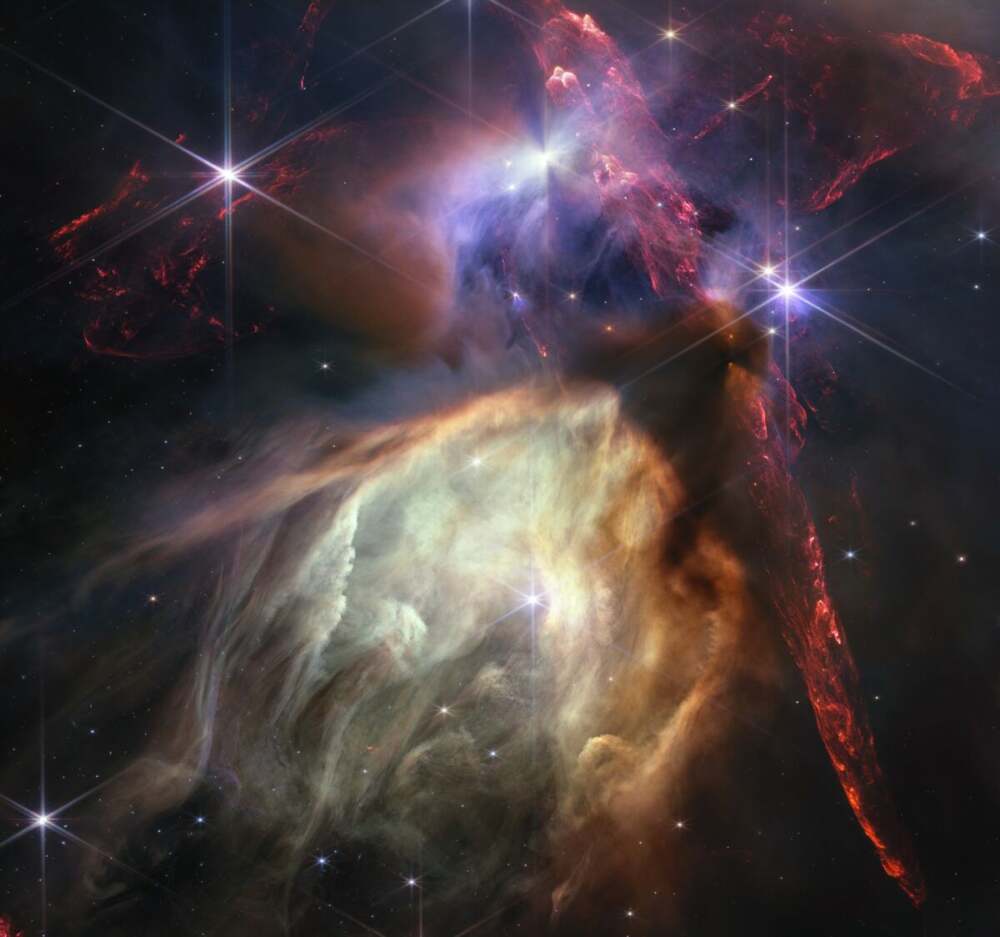
Science never sleeps — and today’s discoveries are proof that human curiosity continues to push the boundaries of what we know about our planet, our universe, and ourselves. From cosmic wonders in deep space to revelations frozen in Antarctic ice, November 5, 2025, has delivered an incredible series of developments that highlight both the beauty and urgency of scientific research.
The Universe Shines Brighter: Cosmic Discoveries Redefine Early Space
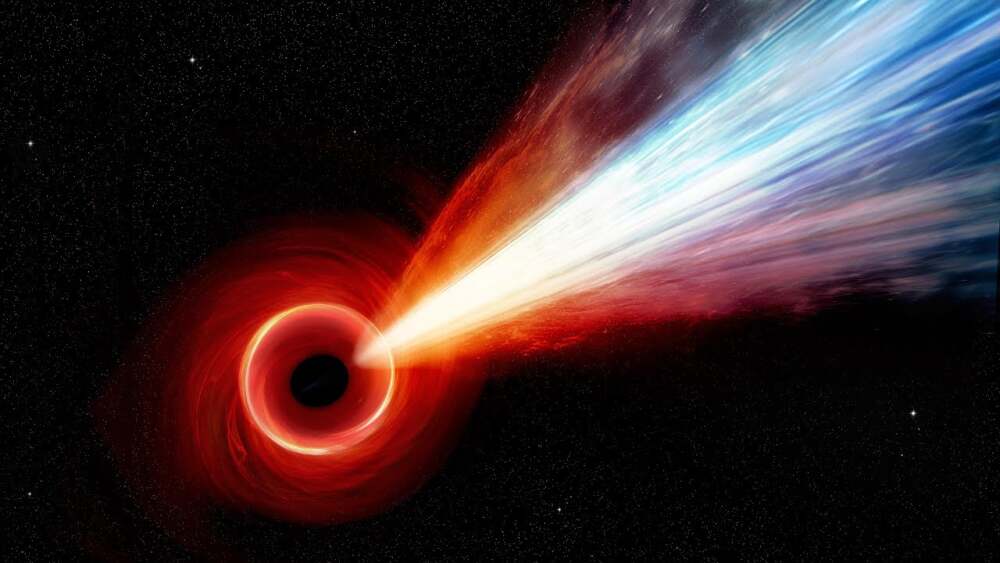
Astronomers working with the James Webb Space Telescope (JWST) have uncovered one of the oldest known black holes ever detected, believed to have formed just 700 million years after the Big Bang. This finding could transform our understanding of how massive black holes emerged so quickly in the early universe.
Scientists have long puzzled over the existence of giant black holes seen at such young cosmic ages. The new data suggests that these colossal objects may have formed through rapid “direct collapse” — bypassing the smaller, slower stages of stellar evolution previously assumed necessary. This discovery offers a clearer picture of how galaxies, including our own Milky Way, developed their dense, gravitational hearts.
Adding to the celestial excitement, a newly observed comet — designated C/2025 K1 (ATLAS) — stunned astronomers when it developed a brilliant golden glow after its close pass near the Sun. The unusual coloration likely results from metallic dust and ionized gases released during the comet’s intense heating. Observers describe it as one of the most visually striking comets of the decade, a reminder that the solar system still holds surprises waiting to be revealed.
Climate Alarm Bells: Earth’s Temperature Nears a Dangerous Threshold
A sobering new report from climate scientists warns that the planet is on track to exceed the 1.5°C global warming threshold within the next decade. The data, compiled by an international climate monitoring group, indicates that the combination of greenhouse gas emissions, deforestation, and oceanic warming has accelerated far beyond previous estimates.
This warning comes ahead of the upcoming global climate summit in Brazil, where world leaders are expected to confront the growing gap between current policies and the targets set by the Paris Agreement. Scientists are calling for urgent measures to reduce carbon emissions and protect vulnerable ecosystems that could collapse if global temperatures rise beyond safe limits.
Meanwhile, in a discovery that may help researchers understand how Earth’s climate has changed over millions of years, a team of glaciologists in Antarctica uncovered ice samples preserved for roughly six million years. These ancient layers act as frozen time capsules, trapping air bubbles that reveal what the atmosphere looked like before humans existed. Studying them will provide critical insights into how natural climate cycles operated — and how drastically human activity has altered the balance.
Medical Marvels: Rare Conditions and Memory Control Breakthroughs
In an astonishing case from the medical field, doctors reported a rare instance of ectopic breast tissue lactation — a condition in which a woman produced milk not only from her breasts but also from her armpit area. The phenomenon, while harmless, highlights the unpredictable nature of human biology and the remarkable adaptability of mammary tissue during pregnancy and breastfeeding. Such cases remain extremely rare, with fewer than a dozen documented globally.
On the neuroscience front, researchers have achieved a groundbreaking milestone by using optogenetics — a technique that uses light to control brain cells — to manipulate memory recall in laboratory mice. By targeting specific neurons, scientists were able to trigger or suppress certain memories at will. This experiment marks a major step toward understanding how memories are stored, retrieved, and possibly even rewritten.
Although the research is still in its early stages, experts say it could lead to new treatments for conditions like post-traumatic stress disorder (PTSD), Alzheimer’s disease, and severe anxiety. However, it also raises important ethical questions about the potential misuse of memory alteration technologies in the future.
Why These Discoveries Matter
Each of these stories — from black holes to brain cells — tells a part of the larger narrative of human progress and curiosity. They also demonstrate the interconnectedness of science: discoveries in space inform our understanding of time and matter; climate research shapes global policy and survival; and breakthroughs in biology reveal the complexities of the human experience.
- The ancient Antarctic ice could unlock answers about Earth’s natural resilience and guide strategies for mitigating climate change.
- The optogenetic memory study offers a window into how consciousness works and may one day transform mental health treatment.
- The golden comet and early black hole discovery expand humanity’s understanding of the universe’s origins — helping us grasp how cosmic events shaped the existence of life itself.
Science’s Universal Message: Curiosity Is Our Greatest Tool
In a time when technology and environmental pressures shape daily life, scientific discovery serves as both a warning and an inspiration. The black hole discovery reveals how far our telescopes can reach; the climate data reminds us how fragile our home planet remains; and the biological breakthroughs show how much we still have to learn about ourselves.
From the depths of space to the frozen edges of Antarctica, November 5, 2025, stands as a powerful reminder that science is not just about understanding the world — it’s about protecting it. Whether through exploring the stars or studying ancient ice, every discovery deepens our connection to the universe and to one another.







Leave a Reply