

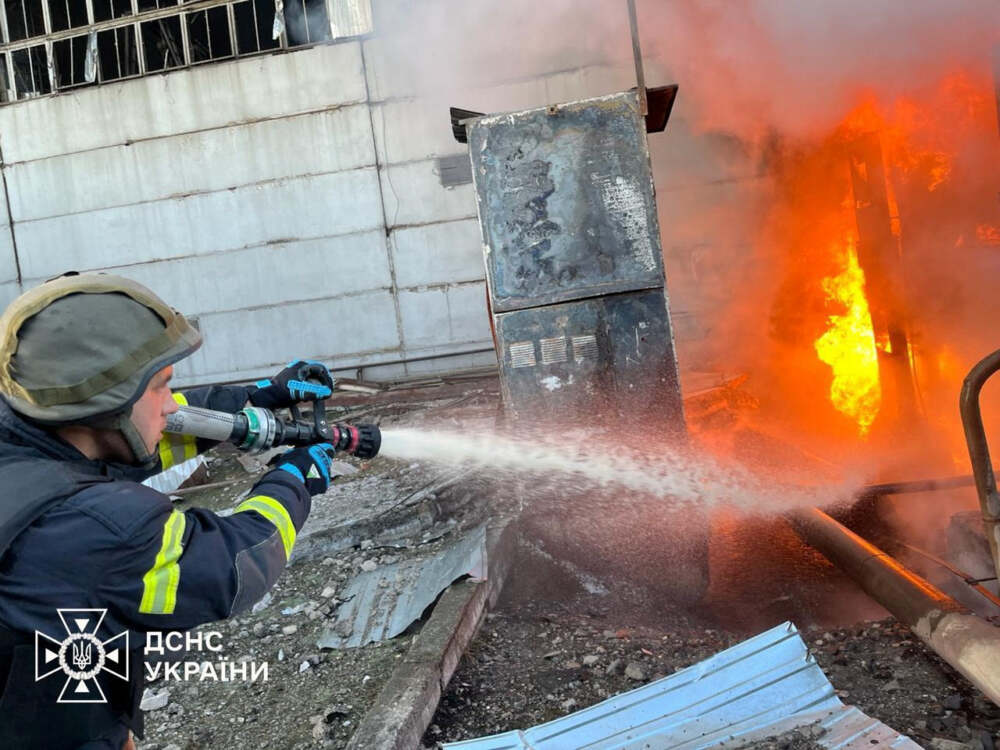
In a significant escalation of the ongoing conflict between Ukraine and Russia, Kyiv announced a series of targeted strikes on Russian energy infrastructure following one of the most damaging attacks on its own power grid in recent months. The move marks a turning point in the war, where both sides increasingly view energy systems and critical infrastructure not just as civilian assets but as strategic targets capable of shaping the course of the conflict.
Russia’s Massive Assault on Ukraine’s Energy System
Ukrainian authorities reported that Russia launched a coordinated assault on the country’s energy network, deploying missiles, drones, and cyberattacks to disrupt power generation, transmission, and distribution. Multiple regions were left without electricity, water, or heating, exacerbating the humanitarian situation as winter approached.
Officials described the attack as unprecedented in scale, affecting major cities as well as smaller towns in eastern and southern Ukraine. Hospitals and public services were forced to operate on emergency generators, while families faced hours-long blackouts, water shortages, and limited access to essential services.
Energy analysts noted that Russia’s strategy appeared to be twofold: first, to inflict immediate disruption on civilian life, thereby increasing pressure on the Ukrainian government; and second, to weaken Ukraine’s industrial and logistical capabilities by crippling its power-dependent sectors.
Kyiv’s Retaliatory Strikes Against Russian Energy Assets
In response, Ukraine launched operations targeting key components of Russia’s energy infrastructure. Ukrainian forces reportedly struck oil refineries, fuel depots, electrical substations, and pipelines used to transport energy resources across Russia. These strikes are designed to limit Russia’s ability to sustain military operations and to signal that attacks on Ukrainian civilians will provoke a proportional response.
While details of the Ukrainian strikes remain classified, officials stated that some operations have successfully disrupted fuel flows and temporarily hindered energy supply to critical regions in Russia. The Ukrainian government emphasized that these actions are defensive and retaliatory, aimed at deterring further attacks on civilian infrastructure.
Impact on Civilians and Winter Preparedness
The ongoing energy conflict has direct consequences for civilians in Ukraine. The winter months pose a severe threat if the electricity and heating systems cannot be restored quickly. Ukrainian authorities have urged residents to conserve energy where possible and to prepare for potential disruptions in the coming weeks.
International observers have raised concerns about the humanitarian impact of these reciprocal strikes. While targeting energy infrastructure can achieve strategic objectives, it also risks prolonged hardships for ordinary citizens. Relief organizations are reportedly coordinating with local authorities to ensure that emergency supplies, including fuel, food, and heating resources, reach vulnerable populations.
Strategic and Military Implications
The focus on energy systems reflects a broader shift in modern warfare, where infrastructure is considered a legitimate battlefield. By striking at each other’s energy networks, Ukraine and Russia are engaging in what military analysts describe as “infrastructure warfare,” in which the capacity to maintain civilian services and industrial operations is just as important as front-line military capabilities.
For Russia, damage to energy facilities complicates logistics and military operations, particularly in regions that supply fuel, electricity, and other essentials to front-line units. For Ukraine, maintaining power to critical hospitals, command centers, and population centers is essential not only for survival but also for sustaining morale.
International and Geopolitical Repercussions
The escalation has drawn attention from European governments and international organizations, highlighting the vulnerability of energy infrastructure in conflict zones. The attacks have sparked debates over energy security, cyber vulnerabilities, and the legality of targeting civilian-dependent systems under international law.
Western allies have emphasized support for Ukraine, providing technical assistance, emergency generators, and energy security expertise. At the same time, diplomatic channels are being utilized to de-escalate the humanitarian impact while maintaining military pressure on Russia.
Challenges Ahead
Both nations face significant challenges as the conflict over energy infrastructure intensifies:
- For Ukraine: Rapidly repairing damaged power lines and substations is critical, particularly with winter temperatures dropping. The government must balance military retaliation with the need to keep civilians supplied with heat, electricity, and water.
- For Russia: Protecting energy assets from Ukrainian strikes requires reallocating resources that might otherwise support military operations. Continued losses could strain domestic energy supply and affect civilian morale.
Experts warn that the war’s infrastructure dimension is likely to continue, with the potential for further retaliatory strikes and extended disruptions in both countries. Analysts also highlight the risk of accidental escalation if critical infrastructure is hit beyond the intended targets.
Looking Forward
The strikes on energy infrastructure underscore a new phase of the conflict in which civilian and industrial systems are entwined with military objectives. As both Ukraine and Russia continue to target each other’s energy networks, the winter months could become especially challenging for civilians, emphasizing the importance of emergency preparedness, international support, and resilient energy systems.
Ukraine’s leadership has stated that it will continue its retaliatory campaign as necessary, emphasizing that attacks on civilian infrastructure will not go unanswered. The coming weeks may well define how energy and infrastructure warfare shape the broader dynamics of the conflict, setting precedents for future engagements in the region and beyond.












Leave a Reply