

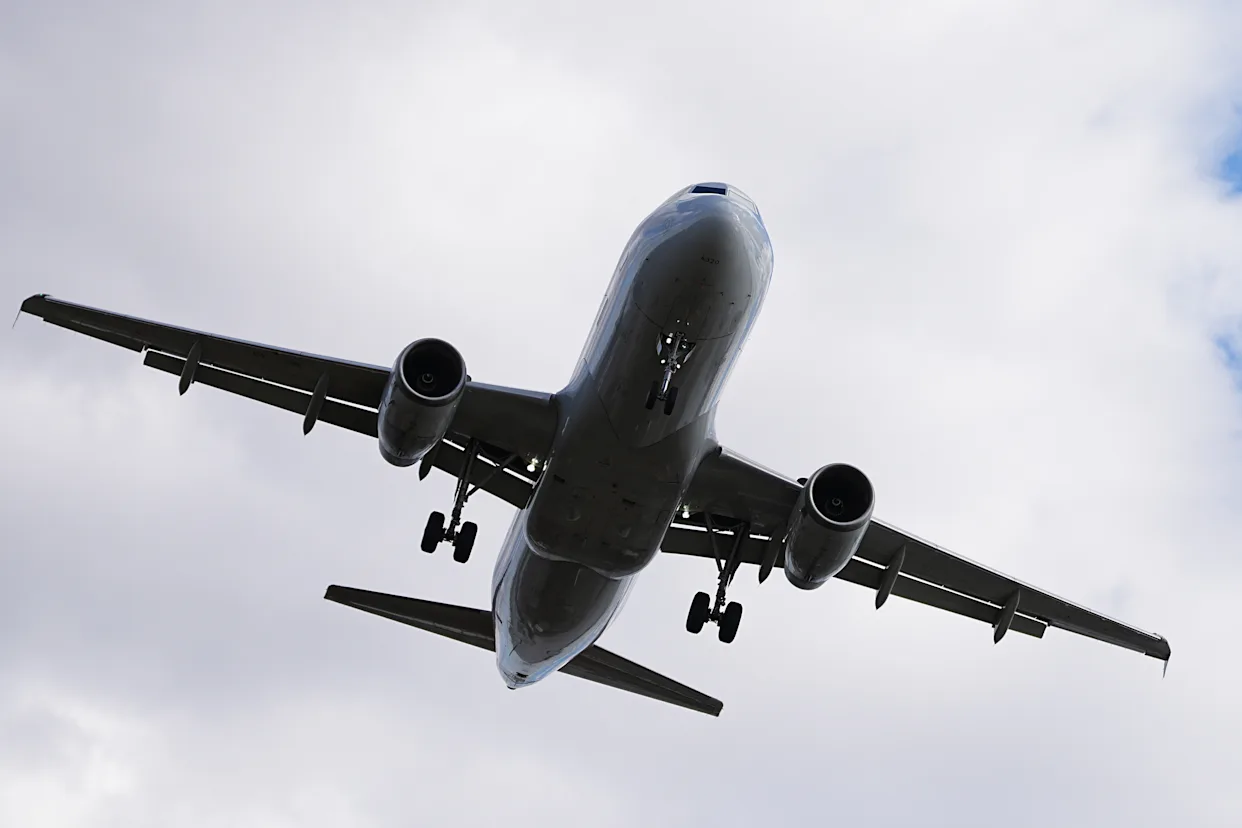
Major U.S. airlines are bracing for continued disruption as federally mandated flight reductions enter a third consecutive day, following severe staffing shortages caused by the ongoing federal government shutdown. The cuts, which are designed to ensure safety amid a shortage of air traffic controllers, are affecting dozens of major airports across the country and are coinciding with one of the busiest travel periods of the year, raising concerns for both travelers and the aviation industry.
The Situation: Flight Reductions and Delays
The Federal Aviation Administration (FAA) has instructed airlines operating at the nation’s busiest airports to reduce domestic flights in stages. Initial reductions began at 4 percent of scheduled flights, but as the shutdown continues, airlines may face cuts of up to 10 percent in the coming days, with further increases possible if staffing shortages persist.
Air traffic controllers have been absent from work due to the shutdown, forcing the FAA to implement mandatory reductions to prevent fatigue-related errors and maintain safe operations. Many major airports, including hubs in New York, Chicago, Atlanta, and Los Angeles, have seen a significant increase in cancellations and delays. On previous days, over 1,500 flights were canceled nationwide, and thousands more experienced delays ranging from 30 minutes to several hours.
Impact on Passengers
Travelers have faced widespread inconvenience as airlines struggle to adjust schedules in real-time. Families and business travelers preparing for the Thanksgiving holiday are particularly affected, with some flights canceled on short notice and others rerouted to alternative airports.
Airlines are offering full refunds for cancelled flights and assisting passengers with rebooking whenever possible. However, capacity is limited, leaving some travelers scrambling for alternative arrangements. Airport terminals have reported increased congestion, as passengers wait longer for check-in, security, and boarding.
Advisors recommend that travelers:
- Check flight status frequently and sign up for airline alerts.
- Allow extra time for travel, especially when connecting through busy hubs.
- Consider flying on off-peak days or using alternative airports when feasible.
- Keep travel documents, tickets, and receipts handy for rebooking and refunds.
Airline Response and Operational Adjustments
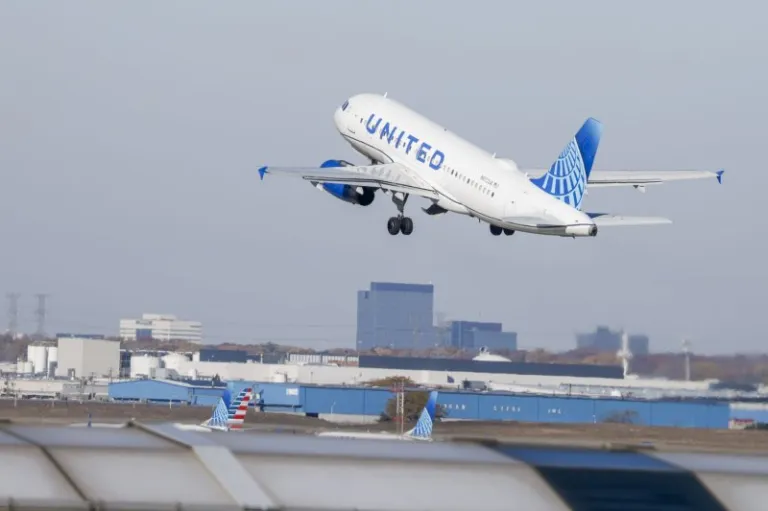
Major carriers including American Airlines, Delta Air Lines, United Airlines, and Southwest Airlines have been forced to implement operational changes to comply with FAA mandates. These include:
- Consolidating flights and using larger aircraft on high-demand routes.
- Temporarily suspending some regional flights and low-demand services.
- Adjusting crew schedules and reassigning aircraft to minimize disruption.
Airline executives have emphasized that while the reductions are disruptive, they are necessary to maintain safety amid limited air traffic control staffing. Industry leaders have also called on federal lawmakers to resolve the shutdown promptly, warning that continued disruption could have lasting impacts on travel confidence and revenue.
Economic Implications
The ripple effects of flight reductions extend beyond passengers and airlines. Airport revenues from landing fees, parking, concessions, and retail sales are declining as fewer flights operate. Cargo operations are also affected, with delays in shipping critical goods and supplies.
Travel agencies, tourism operators, and local businesses near major airports are experiencing strain due to the reduction in passenger traffic. Analysts warn that prolonged disruptions could have broader economic consequences, particularly during the peak holiday travel season.
Safety and Regulatory Considerations
FAA officials emphasize that the cuts are safety-driven. Fatigued air traffic controllers managing high volumes of flights increase the risk of operational errors, which can have catastrophic consequences. By reducing the number of flights, the FAA aims to prevent overextension of staff while ensuring safe airspace management.
Airline operations are closely monitored, and safety remains the top priority. The FAA has indicated that any increase in flight operations without sufficient staffing would be unsafe, underscoring the severity of the situation.
Potential Escalation if the Shutdown Continues
If the federal shutdown is prolonged, further reductions are expected. Transportation authorities have warned that flight cuts could eventually reach 20 percent, creating cascading delays and cancellations nationwide.
The impact would not be limited to domestic flights. International travel could also experience indirect effects, as congestion and scheduling conflicts at major U.S. hubs slow down inbound and outbound flights. Airlines are preparing contingency plans, but uncertainty remains high.
Traveler Advice Amid Uncertainty
Passengers are advised to remain vigilant and proactive. This includes monitoring flight status frequently, remaining flexible with travel plans, and preparing for potential overnight delays or cancellations.
Airlines also recommend that travelers maintain contact with customer service representatives for real-time updates and explore alternate transportation options, such as buses or trains, if necessary.
Looking Ahead
The ongoing government shutdown has revealed the vulnerabilities of U.S. aviation infrastructure, highlighting the reliance on federal staffing to maintain safe and efficient operations. The coming weeks will test the resilience of airlines, airports, and passengers as the peak holiday travel season approaches.
While flight reductions are intended to mitigate safety risks, they also underscore the cascading effects of political and administrative disruptions on critical services. For airlines, the priority remains safety and minimizing passenger disruption. For travelers, flexibility and preparation are key as the situation evolves.
The aviation industry is now facing one of its most challenging periods in recent history, with the combination of high seasonal demand and unprecedented staffing shortages creating a scenario that requires careful coordination between federal authorities, airlines, and passengers.














Leave a Reply