

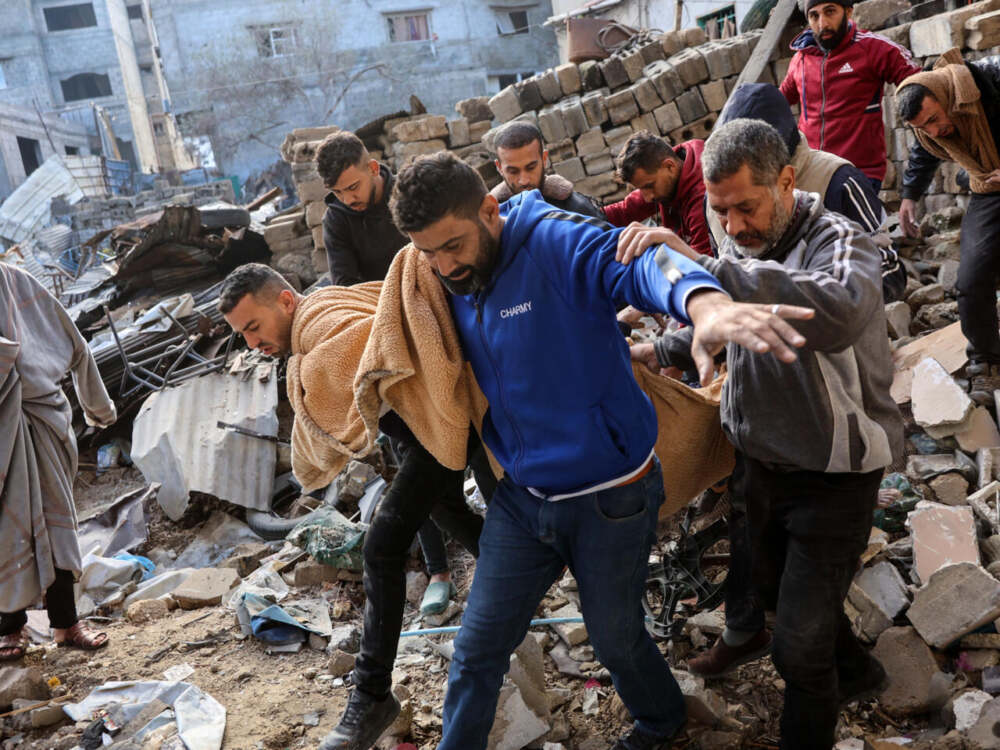
The fragile calm in Gaza was shattered again as Israeli airstrikes killed at least 33 Palestinians, marking one of the deadliest surges of violence since the start of the recent ceasefire. The strikes hit crowded areas where displaced families had been seeking shelter, raising urgent concerns about civilian safety and the future of the truce.
A Ceasefire in Name Only
Although a U.S.-mediated truce had been intended to slow the pace of violence, recent events have exposed how unstable the agreement remains. In Khan Younis, Israeli strikes tore through tents sheltering families who had already fled previous bombardments. In Gaza City, another strike flattened residential buildings, killing entire families within seconds.
Witnesses described scenes of chaos as smoke filled the air and rescue workers struggled to pull survivors from beneath collapsed structures.
Heavy Civilian Toll
Medical officials reported catastrophic losses:
- 17 people killed in Khan Younis, including five women and five children
- 16 people killed in Gaza City, among them three women and seven children
Hospitals already overwhelmed by months of war are once again flooded with casualties. Doctors describe the situation as “beyond crisis,” with shortages of medicine, equipment, and even basic space to treat the wounded.
The strikes hit areas previously considered “safe zones,” deepening the sense of fear and uncertainty among displaced residents.
International Concerns Grow
The renewed bloodshed is raising alarms internationally. Only recently, the United Nations Security Council endorsed a plan to establish an international peacekeeping presence in Gaza as part of a broader political transition. But Hamas rejected the proposal, claiming it lacked neutrality and sidelined Palestinian authority.
The latest violence threatens to derail the plan entirely. Diplomatic momentum is fading, and confidence in the ceasefire’s durability is steeply declining.
The conflict’s ripple effects are also being felt beyond Gaza. Israeli forces carried out strikes in southern Lebanon targeting Hezbollah positions, killing more than a dozen people and fueling concerns that the region is edging toward multi-front confrontation.
Political Fallout and Humanitarian Anguish
Palestinian officials condemned the strikes as “a devastating attack on civilians,” highlighting that many victims were families who had already been forced to flee multiple times. Hitting tent encampments — symbolic of Gaza’s humanitarian desperation — has sparked outrage among aid organizations and regional observers.
Human rights advocates argue that the continued targeting of civilian-heavy areas, despite ceasefire commitments, undermines any progress toward peace.
Gaza’s Endless Cycle of Loss
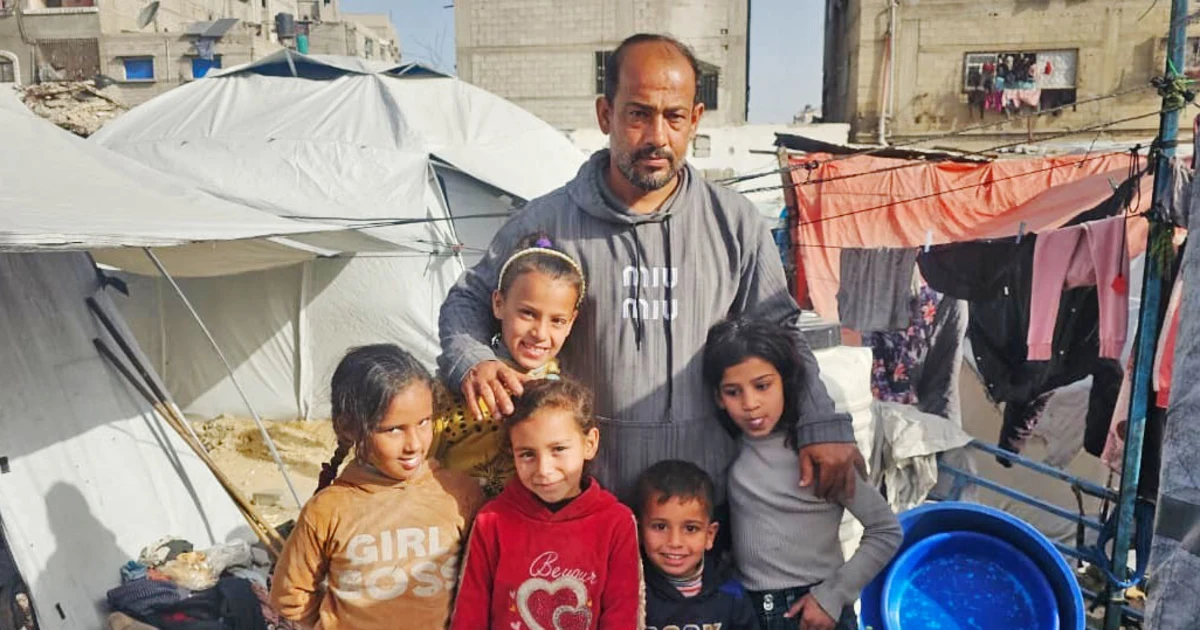
As families bury loved ones under the shadow of destroyed homes and makeshift tents, the emotional and psychological toll deepens. Many Gazans say they no longer believe in the promise of “safe zones,” feeling there is nowhere left to run.
The new wave of strikes underscores the volatility of the situation and raises difficult questions about whether any ceasefire can hold without stronger guarantees and accountability.
For now, Gaza stands once again on the edge of escalation — its people trapped between grief, uncertainty, and a conflict that refuses to release its grip.
















Leave a Reply