

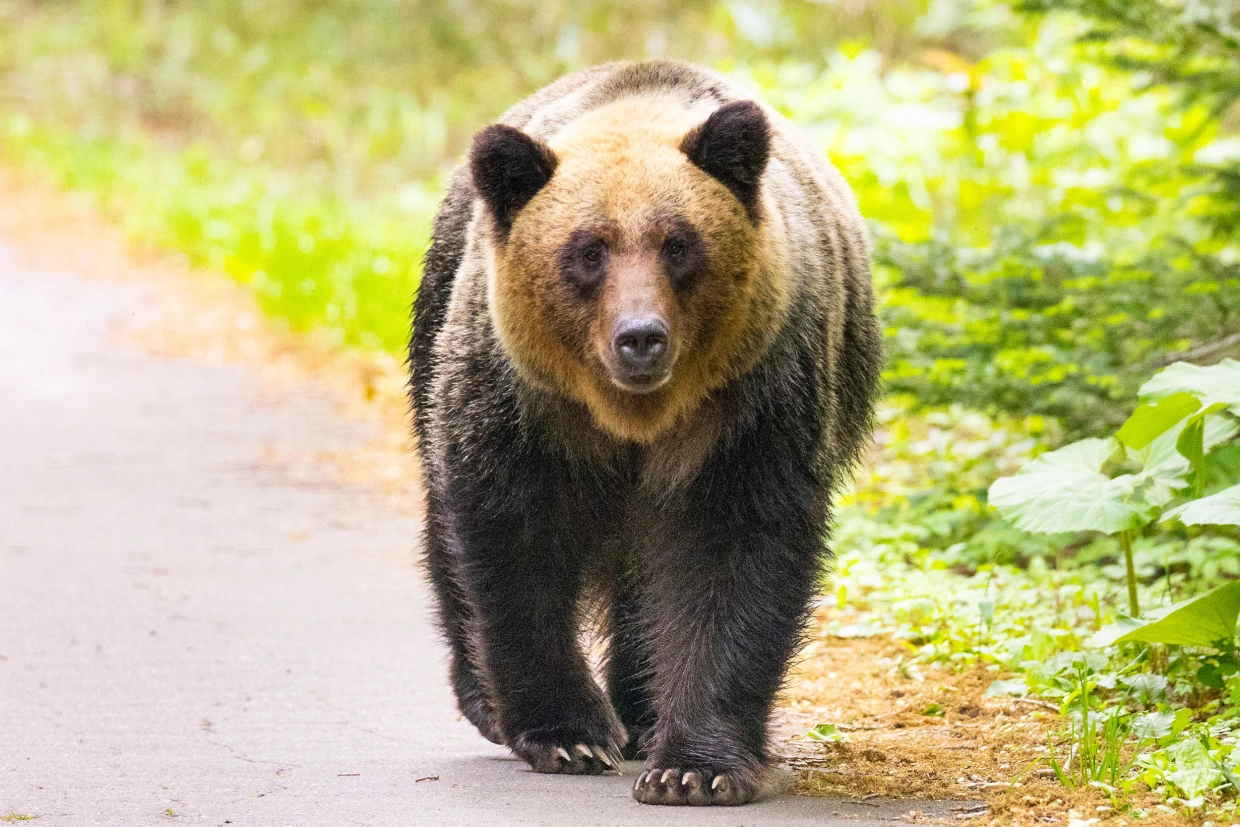
Japan is grappling with a wave of dangerous bear attacks that has left communities across its northern prefectures shaken. Reports indicate that dozens of people have been killed and hundreds injured in the past several months, making this year one of the deadliest periods for human-bear encounters in modern Japanese history.
Authorities describe the situation as a public safety crisis, with bears venturing farther into towns, villages, and farmland than ever before. The spike in encounters has prompted local governments to take extraordinary measures, including the rare deployment of military personnel to assist in containment efforts.
Bears in Close Proximity to Humans
The bears are not confined to forests or mountain ranges. In many northern prefectures, especially Akita, residents are encountering bears in everyday spaces. Reports include bears rummaging through garbage bins, scaling garden walls, wandering along roadsides, and even appearing near schools and markets.
Farmers have described the increasing peril: daily activities such as tending crops, collecting firewood, or walking to nearby towns have become fraught with risk. Children and the elderly are particularly vulnerable, and communities are living under constant alert.
Underlying Causes of the Surge
Experts point to multiple, overlapping factors that are driving the bears closer to human settlements:
- Food scarcity in the wild: Poor harvests of acorns, chestnuts, and other natural bear foods have forced the animals to search for alternatives in human-inhabited areas.
- Rural depopulation and aging communities: Many rural villages are losing population, leaving abandoned farmland and overgrown areas that provide easy access for bears to move toward towns undetected.
- Climate change effects: Warmer winters and changing precipitation patterns have disrupted traditional hibernation cycles, keeping bears active for longer periods and increasing their hunger.
These factors together have created conditions in which human-bear interactions are not only more frequent but increasingly dangerous.
Government Response and Military Assistance
Local authorities, struggling to manage the escalating threat, requested aid from Japan’s Self-Defense Forces. Soldiers have been deployed to assist with monitoring, trapping, and relocating bears, supporting wildlife officials in the most affected areas. The military’s involvement is primarily focused on containment rather than lethal action, aiming to reduce human-bear conflicts while minimizing harm to the animals.
In addition, local governments have increased patrols, issued safety alerts, and educated residents on precautionary measures. Communities are advised to secure trash, avoid leaving food outdoors, and exercise heightened vigilance during daily activities.
Impact on Daily Life
The presence of bears in towns and farmland has dramatically altered daily routines. Residents are afraid to venture outdoors alone, and many farmers have reduced or suspended work in fields. School schedules and outdoor activities for children have been disrupted in affected areas. The psychological impact is significant, with fear and anxiety becoming widespread in communities that once coexisted peacefully with wildlife.
Balancing Safety and Conservation
Japan faces a delicate challenge: protecting citizens while respecting the ecological role of bears. Wildlife experts emphasize that long-term solutions must extend beyond immediate containment, including:
- Restoration of natural food sources to reduce the incentive for bears to enter towns.
- Installation of electric fencing or other deterrents around residential areas and farms.
- Public education campaigns to inform residents of safe practices for preventing bear encounters.
- Monitoring bear populations using technology to predict movements and prevent conflicts.
Effective coexistence requires careful planning, long-term investment, and collaboration between government agencies, local communities, and wildlife experts.
Bears in Japanese Culture
Bears have historically held an important place in Japanese folklore, often symbolizing strength, mystery, and the power of nature. Traditionally respected and even revered, bears are now viewed with fear due to the immediate threat they pose to human life. The current surge in attacks challenges communities to reconcile cultural respect for wildlife with the need for public safety.
Looking Ahead
As winter approaches, bears will enter hibernation, which may temporarily reduce attacks. However, experts warn that if the root causes — food scarcity, habitat encroachment, and demographic shifts — are not addressed, the problem could recur or worsen in future years.
Communities must now adapt to a new reality in which human settlements and bear habitats overlap more than ever. The situation serves as a stark reminder of the delicate balance between humans and wildlife, highlighting the urgent need for proactive management, innovative solutions, and sustained vigilance.
Conclusion
Japan’s surge in bear attacks represents a rare but significant crisis in human-wildlife interaction. It underscores the impact of environmental, demographic, and climatic changes on animal behavior, while highlighting the challenges of maintaining public safety in rural regions. How Japan responds in the coming months will serve as a model for managing similar conflicts worldwide, balancing the need to protect human life with the imperative to conserve wildlife.

















Leave a Reply