

This year marks a major milestone: 40 years since Microsoft first launched Windows. From its modest beginnings as a graphical extension for MS‑DOS to the dominant operating system on personal computers today, Windows has profoundly shaped computing and digital life around the world. Over four decades, it has achieved great successes, weathered notable failures, and left an indelible mark on technology culture.
Early Milestones: Windows 1.0 and 3.0
Windows 1.0, released in 1985, introduced users to a graphical interface with windows, menus, and simple multitasking. Though limited by modern standards, it laid the groundwork for graphical computing and transformed interactions with PCs.
Windows 3.0, released in 1990, was the first version to gain widespread adoption. It improved stability, usability, and performance, making Windows a serious contender for business and home computing. Its success encouraged developers to create a growing ecosystem of software for the platform.
Defining Moments: Windows 95 and DirectX
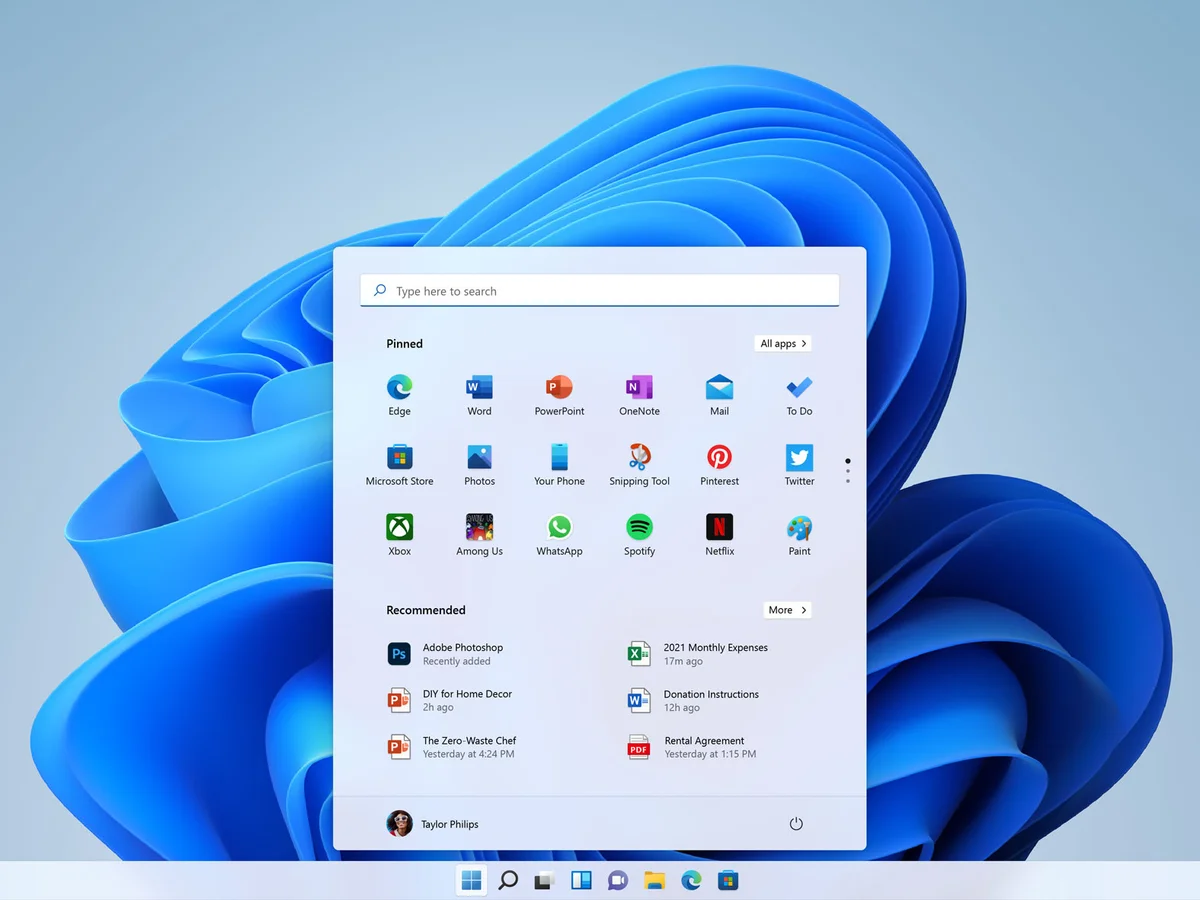
Windows 95 was a landmark release, introducing the Start Menu, taskbar, and improved multitasking. These interface elements became staples for decades and shaped user expectations for operating systems.
At the same time, DirectX revolutionized PC gaming. By providing developers with tools to maximize graphics and performance, Windows became the default platform for gaming, fostering a booming industry.
Innovations and Enhancements
- Windows Hello introduced biometric logins with facial recognition and fingerprint scanning, enhancing security and convenience.
- Integration with cloud services and productivity tools allowed users to sync data, collaborate, and work seamlessly across devices.
- Microsoft’s embrace of touchscreens, stylus input, and adaptive interfaces demonstrated a willingness to experiment with new forms of interaction.
Notable Missteps
Despite its many successes, Windows has faced its share of misfires:
- Comic Sans remains a widely criticized font, emblematic of design choices that didn’t resonate with users.
- Clippy, the animated paperclip assistant, frustrated more users than it helped and became a symbol of intrusive software design.
- Windows 8 received backlash for replacing the Start Menu with a touch-focused interface, alienating desktop users.
- Windows RT and Windows Phone struggled to compete in emerging markets due to limited app compatibility and adoption.
- The company faced antitrust scrutiny in the United States for bundling Internet Explorer with Windows, marking a legal challenge that shaped the tech industry.
Cultural and Technological Impact
Windows has influenced computing far beyond its code. It shaped office productivity, gaming, design, and personal computing culture. Many users grew up with Windows as their first interface, while businesses built entire IT infrastructures around it. The system’s ups and downs reflect a larger story of innovation, risk-taking, and adaptation in technology.
Looking Ahead
As Windows celebrates four decades, its future points toward AI integration, enhanced cloud computing, and greater personalization. Microsoft continues to refine Windows to meet the evolving needs of users, from casual consumers to enterprise clients.
The history of Windows shows that progress is rarely linear. Its 40 years are marked by both brilliance and missteps, but its influence on computing and digital life is undeniable. From the first clunky windows on DOS to sophisticated, AI-powered desktops, Windows remains a cornerstone of the digital world.









Leave a Reply