

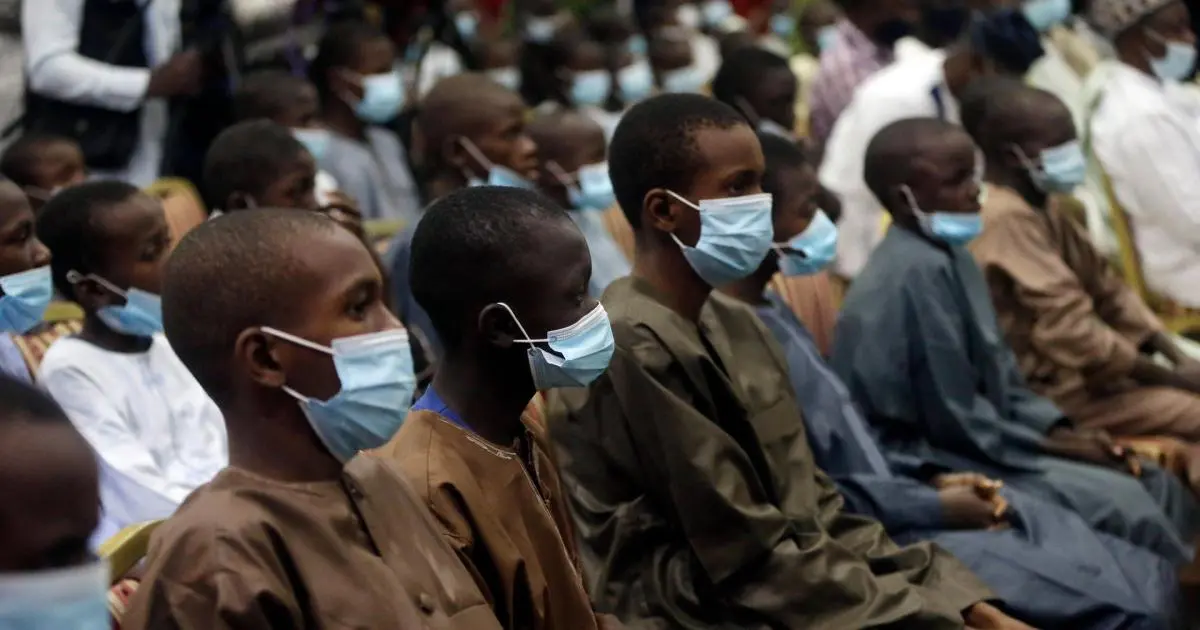
In a shocking escalation of violence and insecurity in Nigeria, more than 300 schoolchildren and staff members have been abducted in a violent raid on a Catholic boarding school in Niger State. This incident has reignited deep concerns over the country’s ability to protect its most vulnerable citizens and the widening reach of armed criminal gangs targeting educational institutions.
The Attack
Late on a recent Friday, armed gunmen stormed St. Mary’s Catholic School, situated in the remote Papiri community of Niger State. According to local church officials, the attackers raided the school compound — which includes both primary and secondary school buildings and boarding dormitories — and swiftly overwhelmed any resistance. The raid resulted in the kidnapping of 303 students, along with 12 teachers, in what is being called one of the most severe school abductions in recent memory.
Many of the children were taken from their dorms, while others tried to flee during the chaos. Reports suggest that 88 additional students were recaptured after attempting to escape but were forcibly taken.
Who Is Responsible — and Why?
No group has officially claimed responsibility for the raid. However, analysts point to a troubling trend: criminal “bandit” gangs, often operating in Nigeria’s north and central regions, are increasingly targeting schools for mass kidnappings. These gangs are known to demand ransom payments, though in many such crimes, accountability remains elusive.
Local authorities have launched a multi-pronged rescue operation. In cooperation with security forces, tactical units and even local community hunters (traditional vigilantes) have been deployed to track down the abductors. The terrain is challenging, and the area is remote — a factor that complicates rescue efforts.
A Broader Pattern of Violence
This recent mass abduction comes just days after another kidnapping in Kebbi State, where 25 schoolgirls were taken from a girls’ secondary school. That raid turned deadly: a staff member was killed in the attack, underscoring the growing brutal sophistication of these assaults.
These incidents form part of a long-running, deeply troubling pattern. Over the years, numerous schools across northern Nigeria have been targeted by similar attacks, including the 2024 mass abduction in Kaduna State and earlier high-profile kidnappings in states like Zamfara.
Experts say these kidnappings are not isolated crimes: they reflect a systemic breakdown in security, especially in rural and poorly policed regions. In many conflict-affected areas, less than half of the schools have early-warning systems, leaving students especially exposed. UNICEF has previously highlighted that only about 37% of schools in some of Nigeria’s most dangerous states are equipped to detect and respond to looming threats to student safety.
The Human Toll and Political Fallout
The abduction has sparked immediate shock and grief among local communities. Parents gathered near the school, waiting for word of their missing children, while church leaders called for calm and coordinated action. The Christian Association of Nigeria, which issued the updated abduction figures, urged families to remain hopeful yet vigilant, and demanded stronger government action.
On the political front, the incident is likely to increase scrutiny on the Nigerian security apparatus. Critics argue that the government has repeatedly failed to provide basic protection for schools, even as kidnappers treat education as a lucrative target. The attack also raises questions about the adequacy of intelligence, especially in remote areas where armed groups roam freely.
Why Schools Are Easy Targets
Several factors make schools particularly vulnerable:
- Geographic Isolation: Many schools in northern Nigeria are located in remote areas, far from immediate law enforcement support.
- Weak Infrastructure: Dormitories and school compounds often lack fortified defenses, making it easier for attackers to gain access.
- Financial Motive: Kidnappers view children as high-value targets. Paying ransom can be extremely profitable, which incentivizes repeated attacks.
- Limited Deterrence: Despite the frequency of abductions, many perpetrators are never arrested or brought to justice, emboldening others.
What Needs to Happen Now
- Intensified Rescue Operations: Security forces must prioritize rapid and coordinated rescue efforts, integrating local intelligence networks and community volunteers.
- Strengthening School Security: Schools in high-risk areas need structural upgrades, early-warning systems, and better cooperation with law enforcement.
- Accountability: Authorities must track down and prosecute those responsible to deter future attacks.
- Support for Victims: Abducted children and staff, once freed, will need psychological, educational, and medical support to recover.
- Policy Reform: The government must adopt a long-term strategy to secure education in conflict-affected regions — one that addresses not just immediate threats but root causes like poverty, weak governance, and lack of access to state protection.
A Country Under Strain
Nigeria’s schools — symbolizing hope and progress — are increasingly under siege. The abduction of hundreds of students in a single attack is not just a security failure; it is a moral crisis that undermines the country’s future. Unless the nationwide system that allows such brazen kidnappings is urgently reformed, more lives will remain at risk, and the dream of education for all may slip further from reach.


















Leave a Reply