

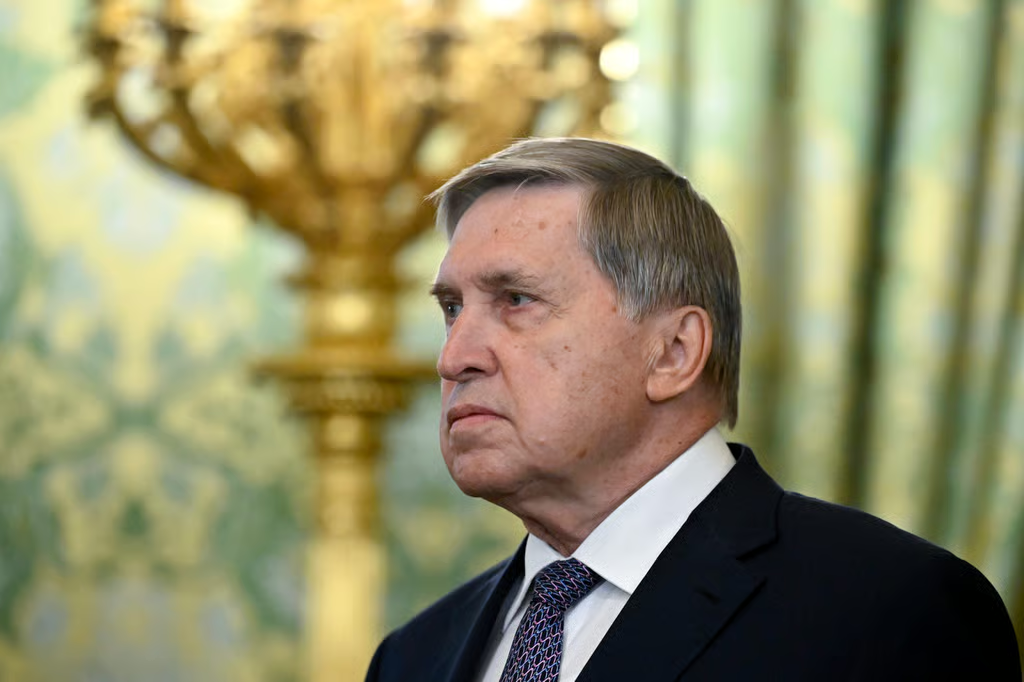
Moscow has sharply criticized a European‑crafted peace initiative for Ukraine, calling it “utterly unconstructive,” while privately expressing cautious approval for a U.S. peace framework aligned with Donald Trump. The mixed response highlights Russia’s strategic preference and deepening rift over how the war could end.
Moscow Rebukes European Draft
According to senior Kremlin advisers, the European proposal fails to address what Russia considers its core security concerns, particularly on NATO guarantees and territorial issues. The Kremlin describes the European draft as impractical and says it undermines Russia’s negotiating position.
Officials in Moscow argue that the European plan redraws the meaning of critical provisions — especially those related to NATO membership and post‑conflict territorial arrangements — in a way that makes it unacceptable to Russia.
A Warmer Reception for Trump’s 28‑Point Plan
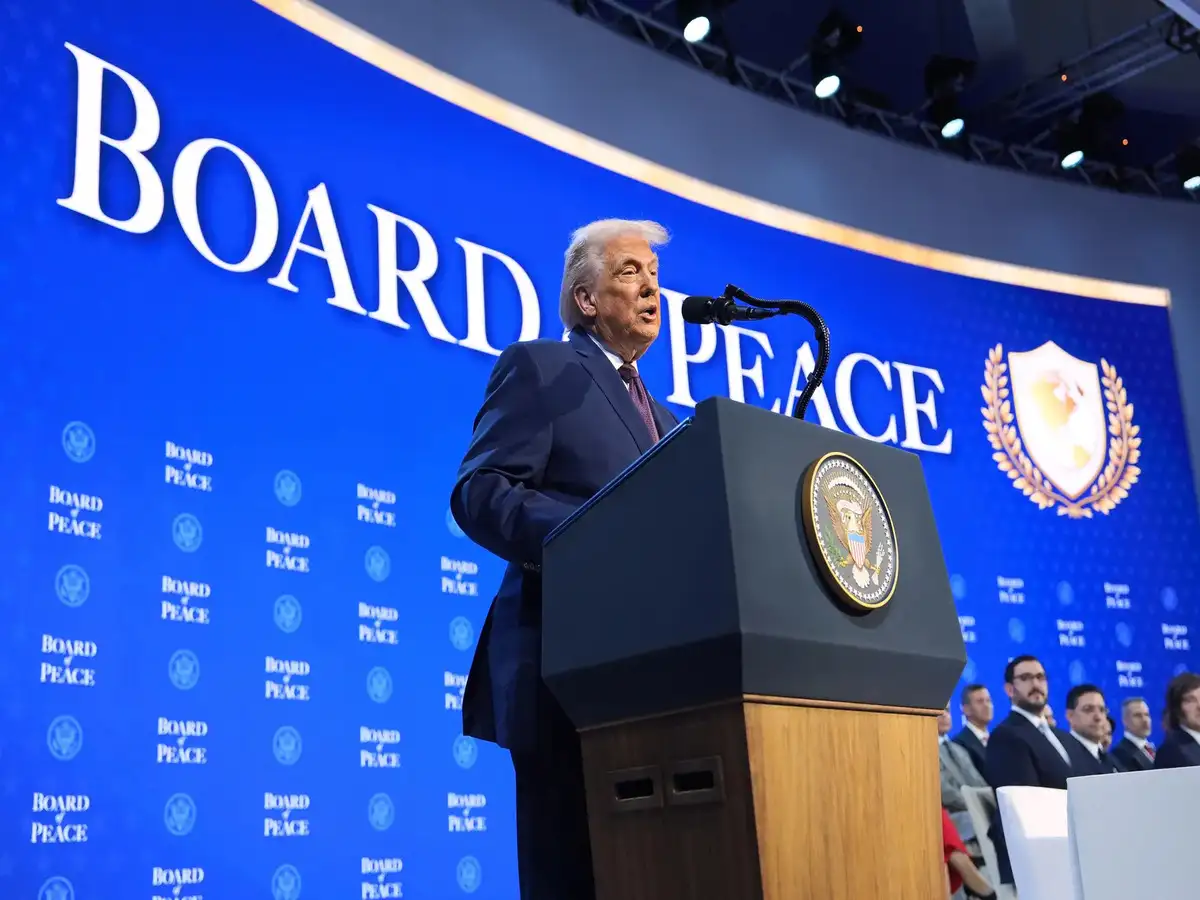
In contrast, Moscow has expressed relative openness to many elements of a 28‑point U.S. peace blueprint tied to former President Donald Trump. While not embracing every part, Kremlin advisors say a number of its provisions seem “quite acceptable,” though they warn that further talks would be needed to iron out details.
Russia’s willingness to quietly engage with Trump’s proposal underscores its belief that Washington’s framework better reflects Moscow’s strategic aims than the European version.
European Leaders Push Back
European governments — including key EU member states — have voiced serious concerns about the U.S. plan, arguing that it grants Russia too much and could leave Ukraine dangerously vulnerable in the long term. European diplomats say any sustainable peace must offer strong security guarantees and not force Kyiv into significant territorial or military concessions.
Several leaders have stressed that Europe must be consulted on any potential settlement, viewing the U.S. proposal as overly favorable to Russia and insufficiently protective of Ukraine’s sovereignty.
Ukraine’s Uneasy Position
Kyiv likewise remains deeply skeptical of the Trump‑aligned plan, with Ukrainian officials warning that some of its terms effectively amount to a capitulation. In particular, the idea of shrinking Ukraine’s military or accepting long‑term security restrictions has raised alarm.
Russia’s Strategic Calculus
From Moscow’s perspective, rejecting the European plan while signaling support for Trump’s makes tactical sense. By doing so, Russia reinforces its long-standing narrative that only a power‑broker like the United States, not Europe, can deliver a “viable” deal. At the same time, Russia uses the divide to drive a wedge between Washington and its European allies.
The Kremlin’s current stance suggests Moscow is not yet ready to make sweeping commitments; rather, it is playing a patient, transactional game. If European nations push harder for a peace agreement that includes strong security terms, Russia may revisit negotiations — but only on its own terms.
As the diplomatic tug-of-war continues, many analysts warn that the window for a credible and just settlement could be closing fast, especially if neither Europe nor Ukraine accepts a deal perceived as lopsided.










Leave a Reply