

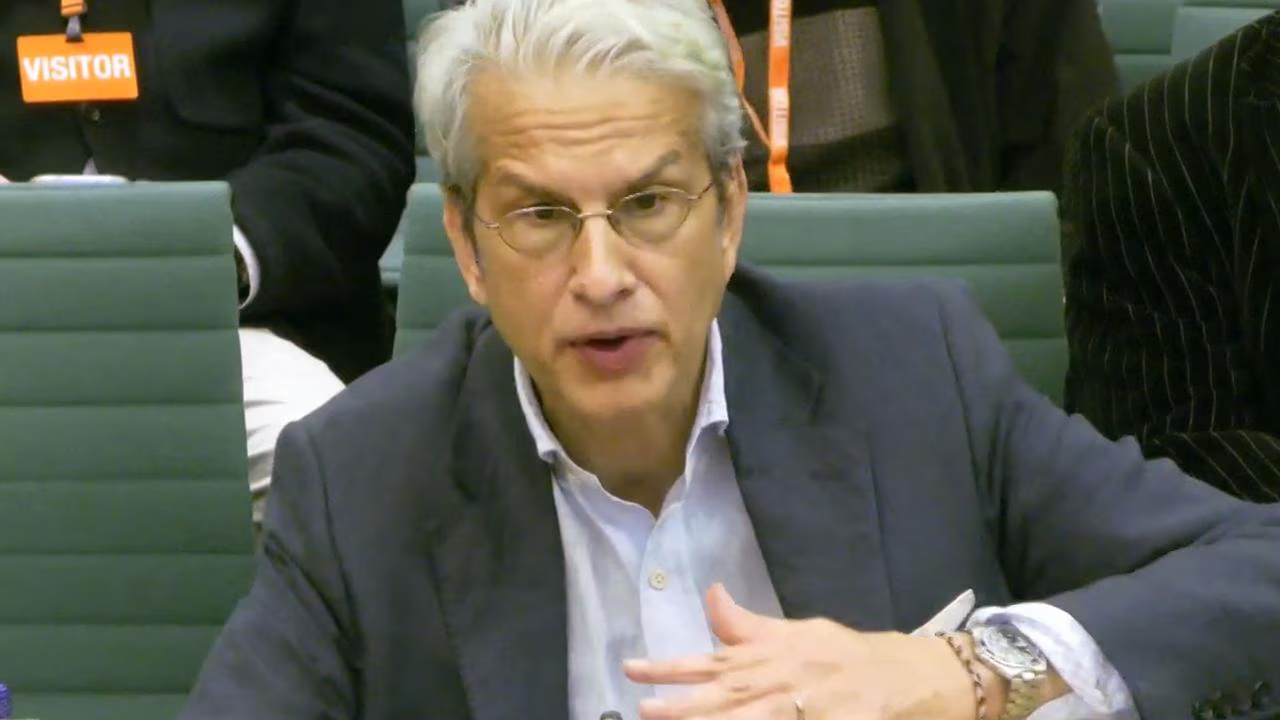
The BBC, one of the world’s most recognized and respected news organizations, is facing unprecedented scrutiny following revelations of internal editorial conflicts that have prompted leadership resignations and a global debate over journalistic impartiality. The controversy has sparked widespread discussion about media ethics, accountability, and the challenges faced by legacy news institutions in a rapidly evolving media landscape.
The Controversy Unfolds
The controversy emerged after the leak of an internal advisory memo from a former senior adviser to the BBC’s editorial oversight committee. The memo alleged that certain editorial decisions, particularly regarding coverage of politically sensitive events, demonstrated bias and failed to meet the corporation’s standards of impartiality. According to the memo, some content was edited or presented in a manner that could mislead audiences or subtly reflect an internal agenda.
These allegations triggered intense scrutiny from both the public and media watchdogs. In response, several high-level executives, including the Director-General and the head of News and Current Affairs, announced their resignations. These departures underscore the gravity of the accusations and the mounting pressure on the BBC to restore credibility.
Implications for Public Trust
The fallout has significant implications for public trust, both in the UK and internationally. The BBC is a global news provider, with millions relying on its reporting for accurate and unbiased information. A perceived lapse in editorial integrity can have outsized consequences:
- Credibility Erosion: Any suggestion of bias undermines the audience’s confidence in the BBC’s objectivity, which could lead to declining viewership and trust.
- Global Perception: The BBC serves as a primary source of news in many regions. Allegations of partiality could affect its reputation as a reliable international broadcaster.
- Influence on Public Debate: Missteps in coverage of political and social issues can shape public opinion and discourse in ways that may not reflect balanced reporting.
Editorial Oversight and Institutional Challenges
The controversy has highlighted vulnerabilities in the BBC’s internal oversight mechanisms. Critics argue that existing review processes may have been insufficient to prevent or detect editorial lapses. The leak suggests that some internal checks failed to flag or address content decisions that could be interpreted as biased.
Media analysts note that such challenges are not unique to the BBC. Legacy news institutions globally are grappling with:
- Pressure to adapt: Balancing traditional journalistic standards with the rapid pace of digital news.
- Audience fragmentation: Catering to diverse, polarized audiences with varying expectations of neutrality.
- Internal culture: Ensuring staff uphold editorial integrity while navigating internal politics and managerial pressures.
Potential Reforms and Path Forward
In response to the crisis, the BBC is expected to implement several reforms to rebuild trust and strengthen editorial oversight:
- Policy Review: A thorough reassessment of editorial policies, with particular focus on political and sensitive coverage.
- Transparency Measures: Clearer communication to audiences about how editorial decisions are made, including explanations for content changes.
- Independent Audits: Potential engagement of external reviewers to assess adherence to impartiality standards.
- Staff Training: Renewed emphasis on ethical reporting practices and the responsibilities of journalists to maintain neutrality.
Experts suggest that the BBC must also address its internal culture, fostering an environment where concerns about editorial bias can be raised without fear of retaliation or suppression.
Lessons for Global Media
The BBC’s controversy serves as a cautionary tale for news organizations worldwide. It underscores the fragility of public trust and the challenges of maintaining editorial integrity in an era of heightened political polarization and digital scrutiny. Key takeaways include:
- Importance of Transparency: Audiences increasingly expect insight into the decision-making processes behind news coverage.
- Need for Accountability: Strong internal controls and independent oversight are critical to prevent lapses.
- Risk of Perception: Even minor editorial missteps can be amplified in the global media landscape, affecting credibility beyond national borders.
Looking Ahead
As investigations and public debate continue, the BBC faces a critical juncture. Leadership resignations signal recognition of the seriousness of the situation, but the organization must also demonstrate actionable steps to restore confidence. Transparent reforms, clear communication with audiences, and rigorous adherence to impartial reporting will be essential to maintaining its position as a leading global news provider.
For the wider journalism community, this episode reinforces the ongoing necessity of balancing editorial judgment, ethical responsibility, and the pressures of a fast-paced, highly scrutinized media environment. The BBC’s response in the coming months may well set a precedent for how major news organizations address internal dissent, public criticism, and the enduring challenge of impartial reporting.
Conclusion
The BBC controversy marks a pivotal moment in global journalism. The institution’s handling of the crisis will shape perceptions of its credibility for years to come. While the immediate impact has been reputational and operational, the longer-term lesson is clear: even established media institutions must continually safeguard impartiality, transparency, and public trust in an era of intense scrutiny and rapid information dissemination.

















Leave a Reply