

A Chance Discovery That Shook the Stars
On November 28, 1967, a young astronomy graduate student named Jocelyn Bell Burnell made an extraordinary discovery that would forever change our understanding of the cosmos. While analyzing data from a radio telescope she helped build, she noticed a peculiar repeating signal — a steady, pulsing radio wave unlike anything astronomers had seen before. The signal was so regular and so odd that some at the observatory half-jokingly referred to its source as “Little Green Men.”
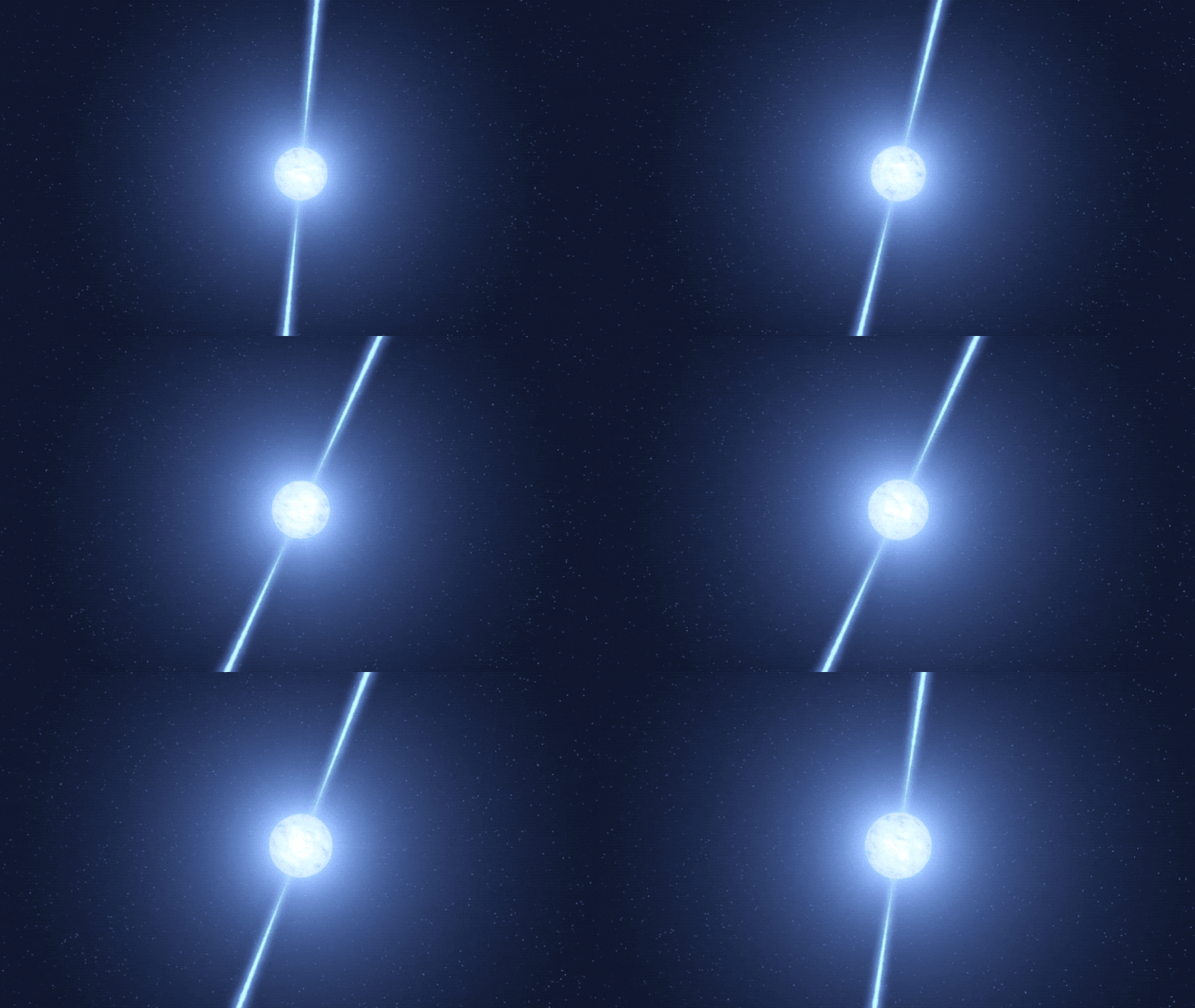
That signal turned out to be the first known detection of a “pulsar” — a type of highly magnetized, rotating neutron star that emits a beam of electromagnetic radiation. It was an entirely new class of celestial object, and it opened a new chapter in astrophysics.
From Unknown Phenomenon to Scientific Revolution
As researchers studied the signal further, they realized pulsars were not phantoms or errors — but real, exotic objects born from supernova explosions. The discovery provided concrete evidence that neutron stars exist; dense, compact remnants of massive stars that died in spectacular explosions.
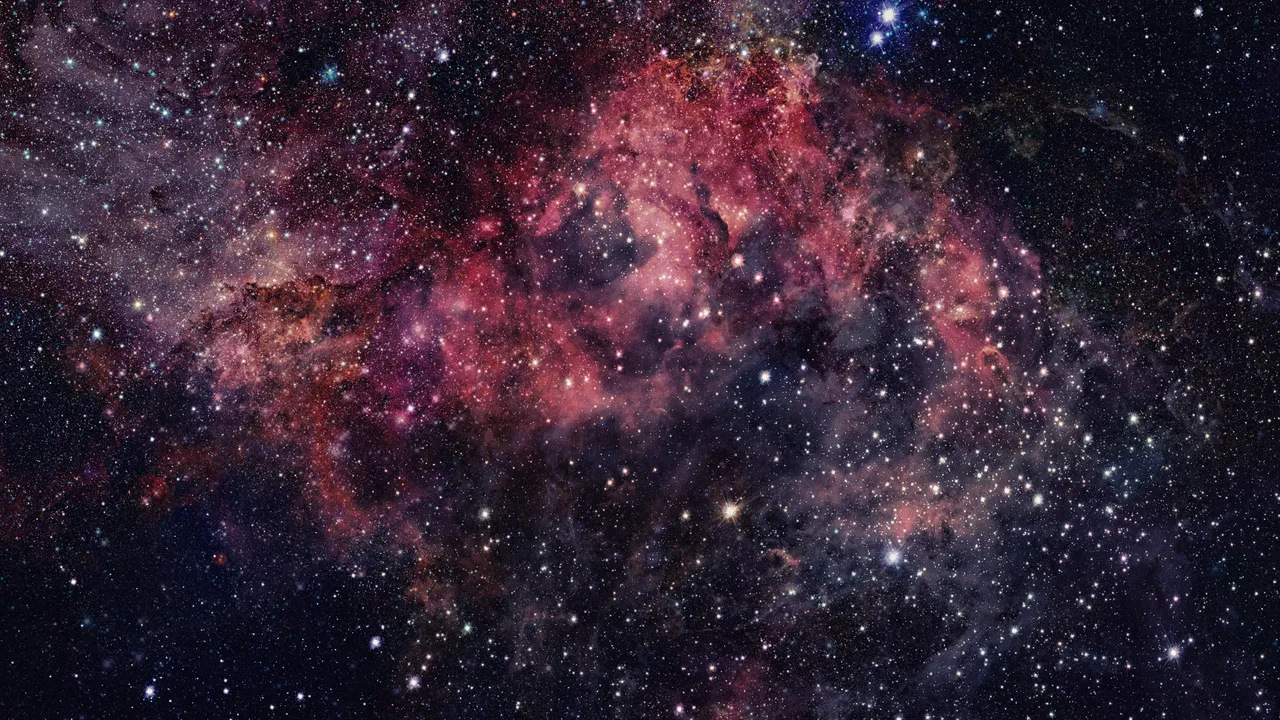
Over the following years, astronomers detected more of these pulsing stars across the sky, using them as cosmic lighthouses. Pulsars have since become vital tools in modern astronomy: helping scientists test general relativity, map the galaxy, study the behavior of extreme matter, and even search for gravitational waves.
In short — what began as a strange blip in a radio telescope’s data blossomed into one of the most important discoveries in 20th‑century astronomy.
The Nobel Prize — And a Controversial Omission
In 1974, the Nobel Prize in Physics was awarded for the discovery of pulsars. But instead of honoring Bell Burnell, the prize went to her doctoral advisor, Antony Hewish, and another senior collaborator.
The decision sparked controversy. Many in the scientific community believed that the credit should extend to Bell Burnell — after all, she was the one who spotted the original signal and recognized its significance. She was the first to raise the alarm and took on the painstaking work of verifying and documenting the strange pulse.
A Wider Conversation About Credit and Recognition
The omission of Bell Burnell from the Nobel recognition ignited a broader debate about scientific credit, mentorship, and fairness — especially regarding contributions by junior researchers, women, and underrepresented scientists. Some argued at the time that awarding a graduate student might be seen as undermining the status of the senior researchers; others saw it as a missed opportunity to acknowledge where real discovery often begins.
Over the decades, Bell Burnell’s role has gained growing recognition. While she never received the Nobel Prize, she has earned many other prestigious honors and awards, and she has become a powerful advocate for equality, inclusion, and recognition of early-‑career scientists.
Legacy: More Than Just a Discovery
The story of pulsars — and Bell Burnell’s central role in their discovery — serves as a reminder that science is often messy, collaborative, and unpredictable. Breakthroughs can come from anyone: students, early‑career researchers, or even those outside the spotlight.
Today, pulsars remain one of astronomy’s most valuable tools. Their precise timing helps astronomers probe fundamental physics, test theories of gravity, and explore extreme states of matter. And every time scientists spin up a new pulsar discovery, they trace a line back to that first strange, rhythmic signal heard on a cold night in 1967.
Above all, Bell Burnell’s story highlights a deeper truth: that courage, curiosity, and perseverance — even at the earliest stages of a career — can reshape human understanding of the universe.
Conclusion
Jocelyn Bell Burnell’s discovery was more than just a milestone in astronomy. It was a turning point: a moment when unseen, unimaginable aspects of the universe were revealed — and a human story about recognition, fairness, and the often‑unseen contributions of young scientists. While the Nobel Prize may have eluded her, her legacy shines bright among the stars she helped unveil.










Leave a Reply