

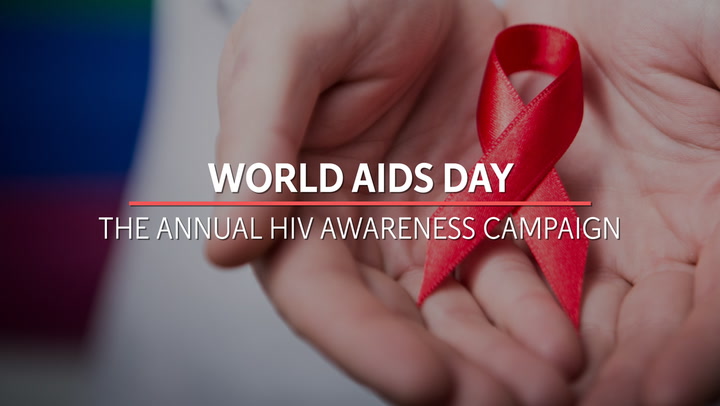
In a move drawing widespread criticism from public health experts and advocacy groups, the Trump administration has reportedly canceled federal funding for World AIDS Day commemorations, ending a 37-year tradition of government support for events marking the global fight against HIV/AIDS.
A Long-Standing Tradition Ends
Since 1988, World AIDS Day, observed annually on December 1, has been supported by federal funding that helps communities across the United States and abroad raise awareness about HIV/AIDS, promote prevention programs, and honor those affected by the disease. These commemorations have included educational campaigns, testing initiatives, and remembrance ceremonies.
The decision to halt funding marks a significant departure from decades of bipartisan support, which treated World AIDS Day as both a public health priority and a platform for promoting HIV education and prevention.
Public Health Experts React
Health advocates are expressing concern that this funding cut could undermine progress made in HIV prevention, testing, and treatment. Dr. [Name], a leading infectious disease specialist, warned, “Reducing federal support for World AIDS Day sends a troubling signal at a time when continued awareness, testing, and access to care remain critical. We cannot afford to let complacency reverse decades of progress.”
HIV/AIDS remains a public health challenge in the United States, with tens of thousands of new infections occurring annually. Funding for awareness campaigns, testing, and community support programs plays a vital role in preventing new cases and ensuring that those living with the virus have access to treatment.
Political and Social Implications
Critics argue that canceling funding for such a longstanding public health initiative could be interpreted as a broader deprioritization of HIV/AIDS issues. Activists highlight that federal support has historically provided legitimacy and visibility to organizations working in underserved communities, helping reduce stigma and improve public health outcomes.
Some lawmakers and advocacy groups are calling for alternative funding solutions and private-sector partnerships to ensure that communities can continue to mark World AIDS Day and carry out essential HIV prevention and support programs.
Looking Forward
With the federal funding cut, organizers and local health departments will face the challenge of maintaining awareness campaigns and commemorative events. Experts emphasize that public participation and advocacy will be critical to sustaining momentum in the fight against HIV/AIDS, even without federal financial backing.
While the Trump administration frames the decision as part of broader budgetary adjustments, public health leaders stress that ending support for World AIDS Day could have long-term consequences for HIV awareness, testing, and prevention efforts nationwide.
Conclusion
The cancellation of federal funding for World AIDS Day after nearly four decades represents a notable shift in U.S. public health policy. As communities adapt to this change, the ongoing fight against HIV/AIDS — and the need for awareness, prevention, and treatment — remains as urgent as ever.















Leave a Reply