

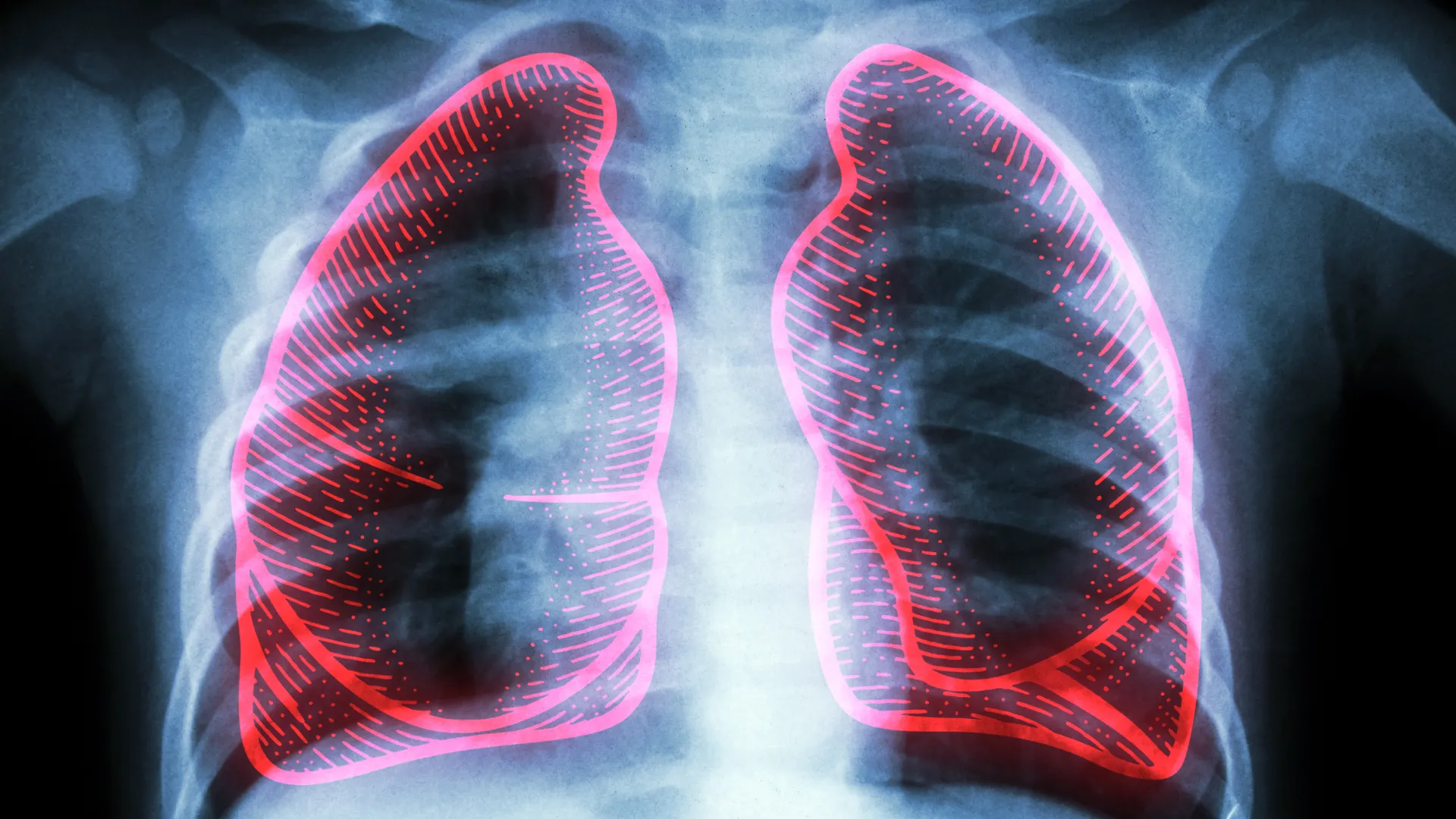
As colder months approach, public health officials are sounding the alarm over a sharp rise in cases of a dangerous respiratory illness that causes severe coughing and can lead to serious complications, particularly among young children, older adults, and people with preexisting health conditions.
A Seasonal Surge
Reports indicate that hospitalizations linked to this cough-related infection are already climbing, signaling an early onset of what could become a widespread winter outbreak. Health authorities are emphasizing that while some respiratory illnesses are common during the colder months, this particular pathogen poses higher risks due to its contagious nature and potential severity.
Understanding the Threat
Medical experts describe the illness as a highly transmissible respiratory infection, characterized by persistent, violent coughing fits, difficulty breathing, and fatigue. In severe cases, it can lead to pneumonia, dehydration, or other complications that require hospitalization.
Dr. [Name], a leading infectious disease specialist, warns, “We are seeing a concerning uptick in cases. Individuals with weakened immune systems, the elderly, and infants are particularly vulnerable. Early recognition and prompt treatment are critical to preventing severe outcomes.”
Why It’s Spreading Faster
Several factors may be contributing to the accelerated spread of this respiratory illness this year:
- Lower Immunity: Many people have experienced reduced exposure to common respiratory pathogens over the past years, which can weaken community-level immunity.
- Close Indoor Contact: As temperatures drop, more people spend time indoors, increasing the likelihood of person-to-person transmission.
- Coinciding Viruses: Experts note that simultaneous circulation of influenza and other respiratory viruses can compound the risks and make symptoms more severe.
Prevention and Preparedness
Health authorities urge the public to take proactive steps to protect themselves and vulnerable populations:
- Vaccination: Staying up to date on recommended vaccines, such as flu shots or any pathogen-specific immunizations, can reduce the severity of infection.
- Hygiene Measures: Regular handwashing, wearing masks in crowded indoor spaces, and avoiding close contact with sick individuals remain effective strategies.
- Prompt Medical Attention: Anyone experiencing persistent or severe coughing, shortness of breath, or high fever should seek medical care immediately.
Hospitals and clinics are also preparing for an influx of patients, ensuring adequate staffing and resources to manage potential surges during the peak of the winter season.
Looking Ahead
Public health experts stress that early awareness and preventive measures can significantly reduce the impact of this dangerous cough illness. Communities and healthcare providers are encouraged to monitor trends closely, promote vaccination campaigns, and maintain open communication about symptoms and treatment options.
Conclusion
As winter approaches, the surge in this highly contagious respiratory illness serves as a reminder of the ongoing need for vigilance, preparedness, and personal responsibility. Protecting oneself and others through vaccination, hygiene, and timely medical care is key to minimizing the risk and keeping communities safe during the cold season.
















Leave a Reply