

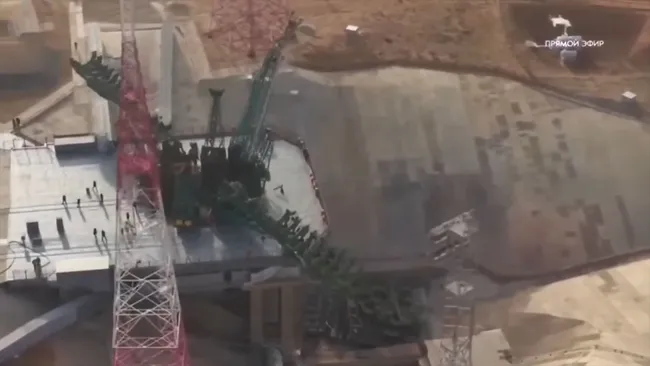
MOSCOW — Russia’s sole active launch pad for cosmonauts suffered damage during a recent Soyuz crew launch to the International Space Station (ISS), raising concerns about the nation’s human spaceflight operations and future missions.
The Incident
According to officials, the Soyuz spacecraft successfully delivered its crew to orbit, but ground inspections revealed structural damage to the launch pad at the Baikonur Cosmodrome. While the launch itself was considered safe, engineers reported that certain support structures and service towers sustained impact from exhaust and vibrations during liftoff.
Authorities have stressed that no cosmonauts were in danger, and the ISS mission proceeded as planned. However, the incident highlights the risks associated with aging infrastructure and the limited redundancy in Russia’s human spaceflight capabilities.
Impact on Future Missions
The damaged pad is currently the only operational site for manned Soyuz launches, meaning any extended downtime could delay upcoming crew rotations to the ISS. Engineers are assessing repair options, which may involve temporary suspension of launches or adjustments to launch schedules.
Experts note that Russia’s reliance on a single active pad underscores the strategic challenges facing the country’s space program. With other facilities either retired or under modernization, operational flexibility is limited.
Broader Implications
This event comes at a critical time for international space collaboration. The ISS continues to rely on Russian Soyuz vehicles for crew transport, even as private U.S. companies and other nations expand their human spaceflight capabilities. Any disruption in Soyuz launches could have ripple effects for joint research projects and crew rotations aboard the orbiting station.
Additionally, the incident has drawn attention to the maintenance and modernization needs of Soviet-era space infrastructure, some of which has been in operation for decades. Analysts suggest that increased investment in upgrades could prevent similar events and ensure long-term reliability.
Next Steps
Russian space authorities have initiated a full inspection and repair plan for the launch pad. Engineers will determine the extent of structural reinforcement required and estimate the time needed to return the pad to full operational status.
In the meantime, Soyuz missions are expected to continue cautiously, with contingency plans in place to avoid disruption of the ISS schedule.
Conclusion
While the Soyuz launch itself was successful, the damage to Russia’s only active cosmonaut pad highlights the vulnerability of aging space infrastructure and the importance of redundancy in human spaceflight. The incident serves as a reminder of the technical challenges inherent in sending humans safely into orbit.














Leave a Reply