

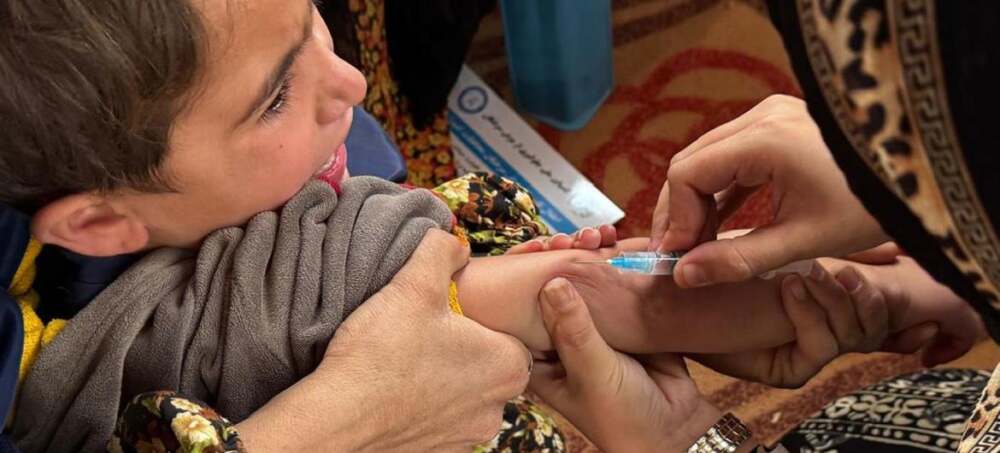
Public health officials are warning that rising measles cases worldwide serve as a “fire alarm” for potential outbreaks of other preventable diseases. The surge highlights vulnerabilities in vaccination coverage and underscores the need for urgent action to protect global health.
The Current Situation
Recent reports indicate that measles infections have surged significantly in multiple countries, with thousands of confirmed cases in regions previously considered under control. Factors contributing to the outbreak include declining vaccination rates, gaps in healthcare access, and pandemic-related disruptions to routine immunization programs.
Health experts emphasize that measles, which is highly contagious, is often the first indicator that communities are at risk for other vaccine-preventable diseases such as mumps, rubella, and whooping cough.
Why Measles Is a Warning Sign
Measles is often referred to as a “canary in the coal mine” for public health because its high transmissibility makes it particularly sensitive to drops in vaccination coverage. When measles outbreaks occur, they reveal weaknesses in healthcare infrastructure and immunization efforts that could allow other infectious diseases to spread.
Dr. Maria Thompson, an infectious disease specialist, explained: “When we see measles resurging, it’s not just about measles — it signals that other dangerous pathogens could find fertile ground to return.”
Global Implications
The World Health Organization (WHO) and other health agencies are stressing the importance of catch-up vaccination campaigns and public awareness initiatives. Strengthening immunization programs now could prevent a cascade of outbreaks and protect millions of children from potentially fatal diseases.
Countries with historically strong vaccination rates are also being urged to maintain coverage, as localized declines could lead to clusters of outbreaks that spread internationally.
Taking Action
Public health authorities recommend:
- Reinforcing routine childhood vaccination schedules
- Addressing vaccine hesitancy through education and outreach
- Monitoring and responding quickly to emerging outbreaks
Experts stress that proactive measures today are critical to preventing tomorrow’s epidemics, making measles a warning signal rather than just an isolated concern.
Conclusion
The resurgence of measles is a stark reminder that preventable diseases remain a threat when vaccination rates falter. Officials are urging global cooperation, education, and swift public health interventions to ensure that other diseases do not follow in measles’ footsteps.

















Leave a Reply