

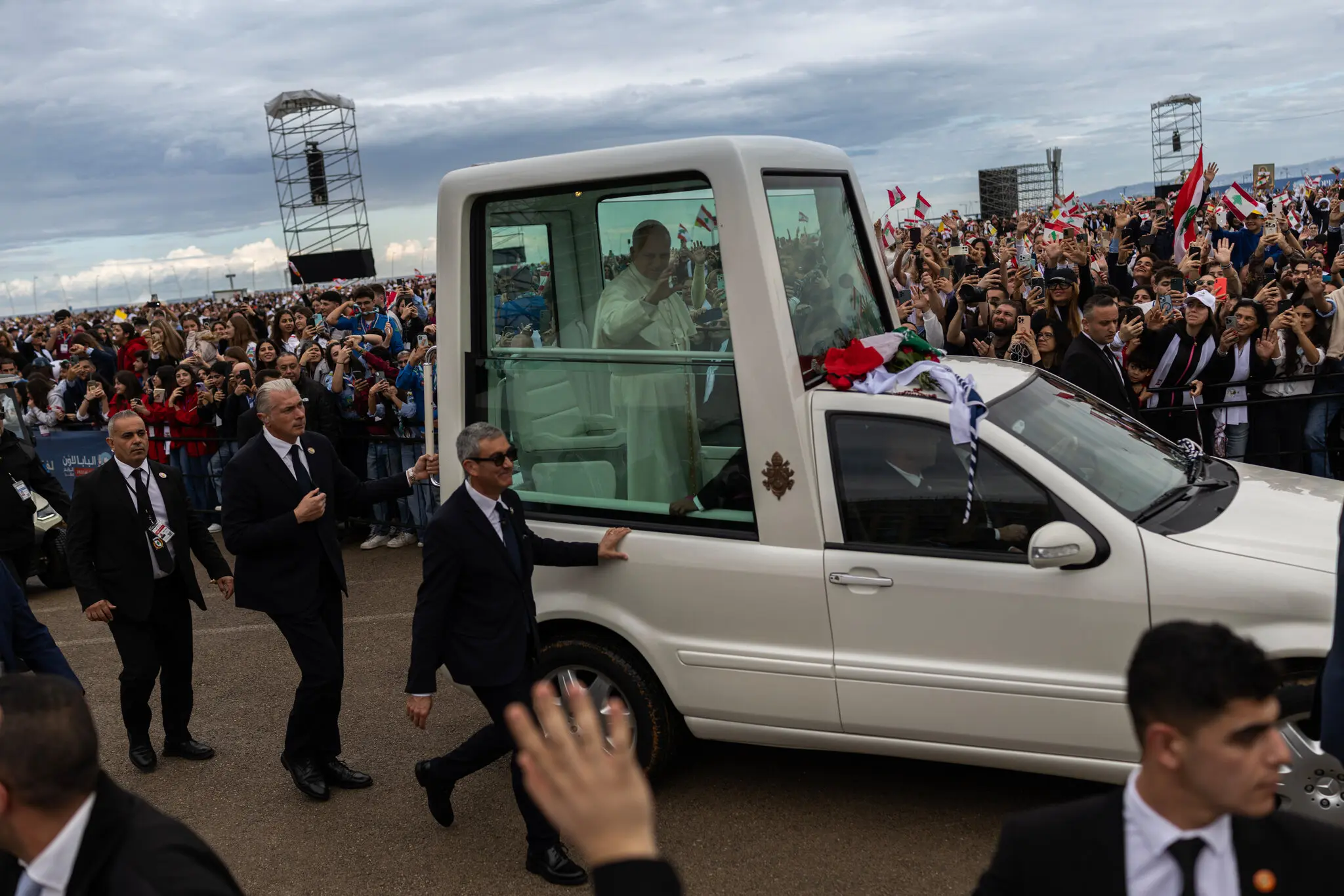
Years after the devastating Beirut port explosion shattered homes, lives, and the nation’s sense of stability, many Lebanese—especially young professionals and families—continue to leave the country in search of security and opportunity. But as Lebanon grapples with economic turmoil, political paralysis, and a fraying social fabric, the upcoming visit of the pope is emerging as an unexpected source of hope for the country’s Catholic community.
A Nation Still Recovering From Trauma
The Beirut blast remains one of the most traumatic chapters in Lebanon’s modern history. The explosion, caused by improperly stored ammonium nitrate, killed more than 200 people, injured thousands, and left entire neighborhoods in ruins. For many survivors, the physical rebuilding has been slow, but the emotional scars are even deeper.
In the years that followed, an exodus began. Families who had lived in Beirut for generations packed their bags, disheartened by political instability, shortages of basic necessities, and an economic collapse that wiped out life savings overnight.
“People were not just fleeing destruction—they were fleeing hopelessness,” said one Beirut native who now lives abroad.
A Symbolic Visit Amid Uncertainty
As the pope prepares to visit Lebanon, Catholic leaders say the moment carries profound significance. The country’s Christian communities, once a cornerstone of Lebanon’s unique religious mosaic, have faced unprecedented pressures in recent years. Many worry that continued emigration will erode Lebanon’s pluralistic identity.
The pope’s visit, they say, is more than a diplomatic gesture—it is a message of solidarity.
“His presence tells the world that Lebanon is not forgotten,” said a Maronite priest in Beirut. “It brings spiritual comfort and reminds us that resilience is still possible.”
Renewed Faith in a Time of Need
Churches across the country are preparing for the visit with a mix of excitement and emotion. Many Lebanese Catholics hope the pope will use his platform to renew calls for justice for the victims of the Beirut blast, push for political reforms, and spotlight the humanitarian crisis affecting millions.
For ordinary families who have struggled to hold onto their faith in the midst of daily challenges, the visit is a morale boost. Some who left Lebanon say they are even considering returning temporarily to participate in the events.
A Moment of Unity Beyond Sectarian Lines
Lebanon’s religious diversity—while often a source of political tension—has also historically been a foundation for coexistence. Leaders from different faith communities have welcomed the pope’s visit, expressing hope that it will foster dialogue and encourage unity at a time when fractures are widening.
Civil society groups say the visit may also draw international attention to the urgent need for stability, transparency, and accountability—issues that remain at the core of Lebanon’s prolonged crises.
Looking Forward, Despite Challenges
Though the pope’s trip cannot solve Lebanon’s economic freefall or undo the trauma of the Beirut blast, many see it as a rare opportunity to refocus global attention on the country. For a population worn down by years of disappointment, even a symbolic gesture can mark the beginning of renewed determination.
“This visit won’t fix everything,” said a Beirut resident helping organize community vigils. “But it reminds us that Lebanon still matters—and that our future is worth fighting for.”
As the pope prepares to set foot in Beirut, the city awaits not just a religious leader but a messenger of hope—one that many believe could help spark the collective spirit needed to rebuild, heal, and hold on.











Leave a Reply