

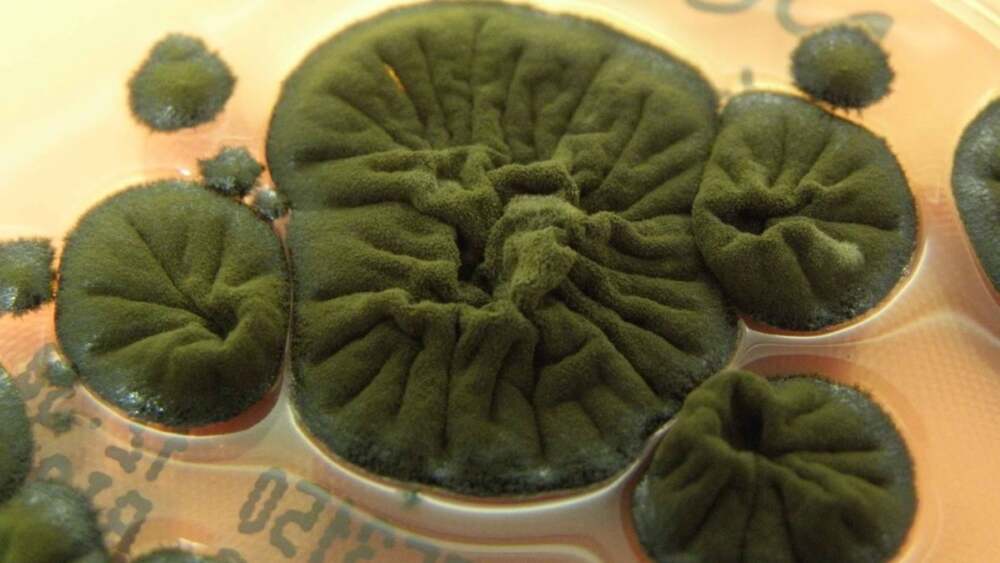
Scientists studying the Chernobyl Exclusion Zone have made a startling discovery: a fungus thriving in one of the most radioactive environments on Earth appears to have evolved an incredible ability to withstand and even utilize high levels of radiation. This adaptation provides new insight into how life can persist in extreme conditions and may have implications for biotechnology and space exploration.
The fungus, belonging to a group of radiation-tolerant species, was first observed colonizing contaminated surfaces around the Chernobyl Nuclear Power Plant, where radiation levels remain dangerously high decades after the 1986 disaster. Researchers have now documented that the fungus not only survives these conditions but may actively convert ionizing radiation into chemical energy—a process sometimes referred to as “radiosynthesis.”
Dr. Anna Petrov, a mycologist involved in the study, explained: “This fungus is essentially turning a lethal environmental factor into a source of energy. Its ability to adapt at the cellular and molecular levels is extraordinary and offers a glimpse into how life can evolve under extreme stress.”
Genetic and biochemical analyses suggest that the fungus has enhanced melanin production, which protects its cells from radiation damage and may facilitate energy conversion. Melanin, the same pigment responsible for skin color in humans, seems to play a dual role in this organism—both shielding it from radiation and possibly capturing energy in a manner similar to photosynthesis.
Beyond its scientific intrigue, the discovery has practical implications. Researchers are exploring ways to harness radiation-tolerant fungi for bioremediation of contaminated environments, including nuclear sites. Additionally, the fungus’ unique energy-harvesting abilities may inspire novel approaches to sustaining life in space, where radiation is a significant challenge.
The Chernobyl fungus underscores nature’s resilience and adaptability. Even in environments that seem completely inhospitable, life can find a way, evolving mechanisms that challenge our understanding of biology and expand the possibilities for life in extreme conditions.















Leave a Reply