

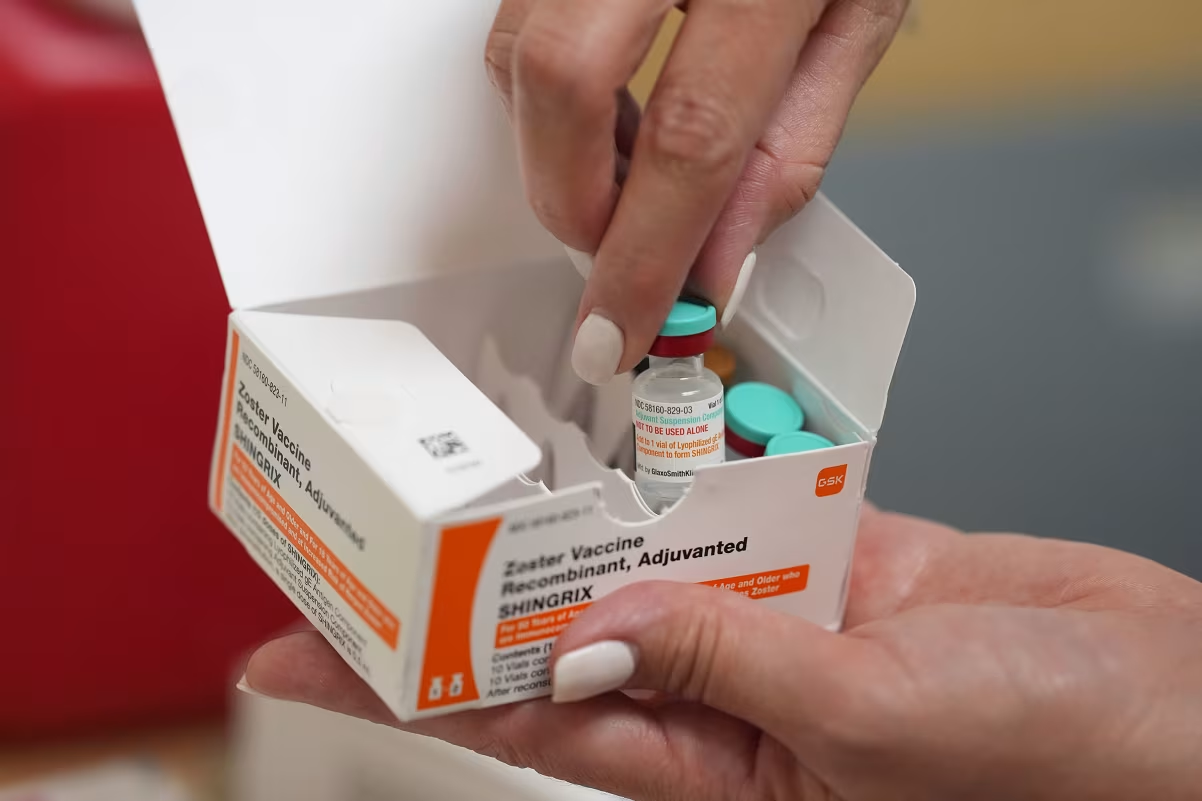
A recent study has revealed a promising link between the shingles vaccine and a potential slowdown in the progression of dementia, offering hope for millions of older adults at risk of cognitive decline. Researchers found that individuals who received the vaccine showed slower cognitive deterioration compared to those who had not been immunized.
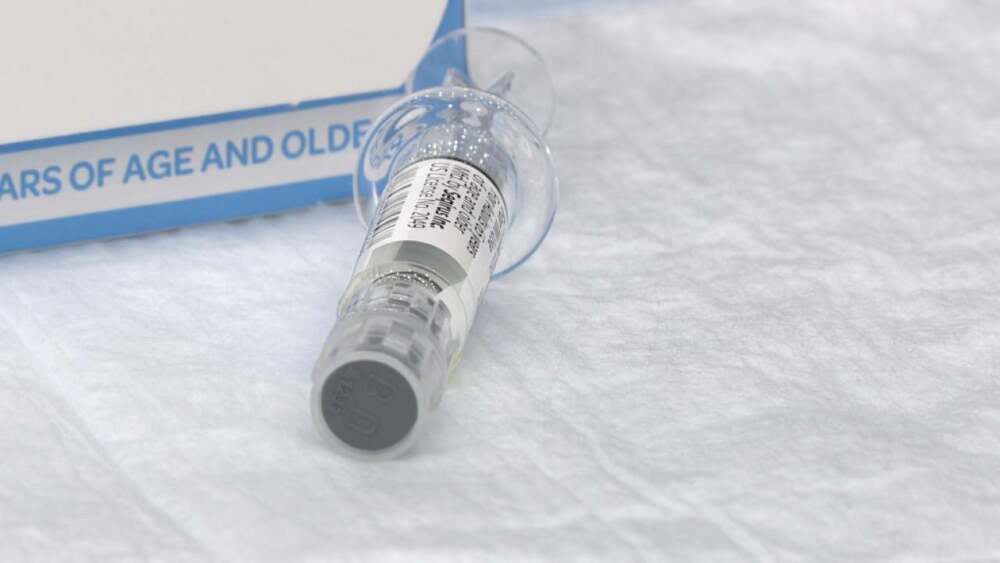
Shingles, caused by the reactivation of the varicella-zoster virus, affects millions of adults each year, typically those over 50. While the vaccine is primarily designed to prevent painful outbreaks and complications, the new findings suggest it may also confer neuroprotective benefits. Scientists theorize that preventing viral reactivation may reduce chronic inflammation and other neurological stressors linked to cognitive decline.
The study, conducted over several years, followed a cohort of older adults, tracking their vaccination status and cognitive health. Participants who received the shingles vaccine demonstrated better memory retention, slower declines in executive function, and lower rates of progression from mild cognitive impairment to dementia. While researchers caution that more studies are needed to confirm causality, the results are seen as a significant step in understanding the link between viral infections and neurodegeneration.
Dr. Samuel Harris, a neurologist involved in the research, noted: “These findings suggest that vaccines may have broader health benefits than we previously understood. Protecting against shingles could potentially delay or reduce the severity of dementia, providing older adults with improved quality of life.”
Public health experts emphasize that while the shingles vaccine is not a cure for dementia, its potential added benefits provide another reason for eligible adults to get vaccinated. Combined with lifestyle interventions, regular cognitive assessments, and management of other health conditions, vaccination may become part of a multifaceted approach to reducing dementia risk.
As dementia continues to affect millions globally, studies like this underscore the importance of preventative care and highlight unexpected ways vaccines may influence overall health beyond their immediate purpose.












Leave a Reply