

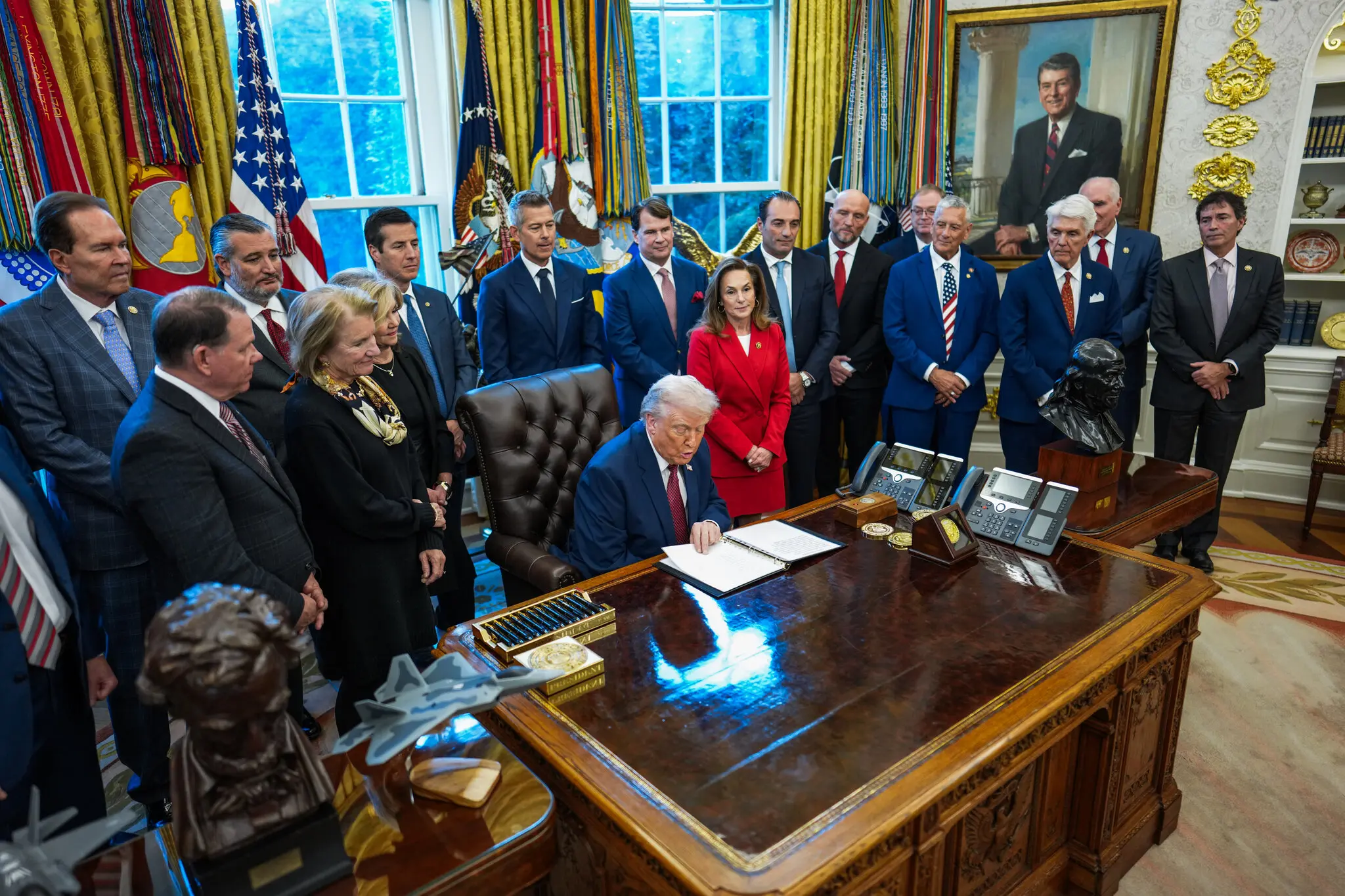
Former President Donald Trump has introduced a sweeping rollback of federal fuel economy standards, arguing that easing regulations will make cars more affordable for American families and strengthen the domestic auto industry. The announcement marks one of Trump’s most significant policy shifts in the energy and transportation sectors since returning to the political spotlight.
The revised rules scale back earlier requirements that pushed manufacturers to steadily increase the fuel efficiency of new vehicles. Instead, the new framework allows automakers more flexibility, reducing pressure to rapidly develop electric and hybrid models and lowering compliance costs across the industry.
Trump framed the policy as a victory for working-class Americans, claiming the previous standards inflated vehicle prices and limited consumer choices. He argued that more relaxed fuel rules will encourage competition, expand options for buyers, and help stabilize an auto market still recovering from supply chain disruptions.
Industry leaders are divided. Some automakers welcomed the easing of regulations, saying it will reduce production costs and allow companies to balance electric vehicle development with steady sales of gas-powered cars. Others warned that falling behind on efficiency goals could weaken U.S. competitiveness globally, especially as Europe and Asia accelerate transitions to cleaner technologies.
Environmental groups sharply criticized the move, saying it undermines efforts to cut emissions at a time when global climate initiatives are gaining momentum. Experts warn that lower standards could increase fuel consumption and delay long-term progress toward cleaner transportation.
Economists note that the decision could reshape the auto market in the short term, especially for budget-conscious consumers who have struggled with rising car prices. However, the long-term impact on emissions, innovation, and global competitiveness remains uncertain.
As the debate intensifies, Trump’s announcement signals a renewed clash between economic priorities and environmental policy — one likely to shape the future of American transportation for years to come.











Leave a Reply