

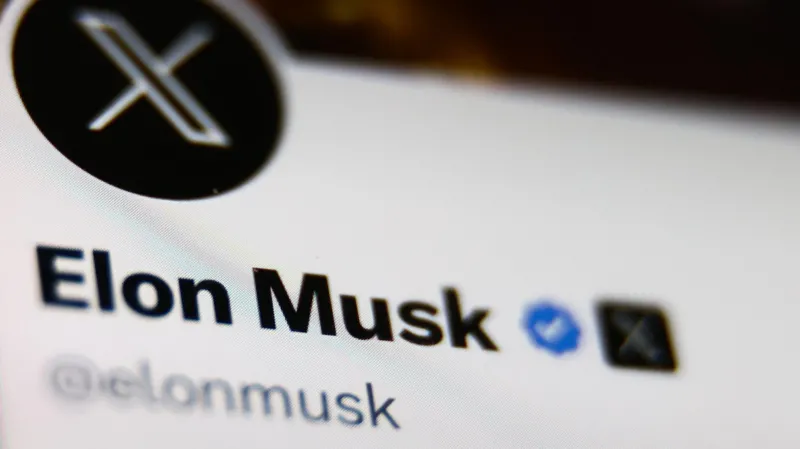
The United States has sharply criticized the European Union after regulators imposed a major fine on X, the social media platform owned by Elon Musk, escalating tensions over how Big Tech is governed across borders. American officials accused the EU of using aggressive regulatory tools to target U.S. companies, warning that such actions risk undermining innovation and straining transatlantic economic ties.
A Growing Rift Over Digital Governance
The EU’s penalty — issued under its sweeping Digital Services Act — was framed as a direct response to alleged failures by X to maintain transparency, curb deceptive practices, and provide adequate data access to researchers. While European officials say the enforcement is essential for ensuring accountability in the digital ecosystem, the U.S. sees it differently.
Washington slammed the decision as an example of what it calls “suffocating regulations,” arguing that Brussels is turning compliance frameworks into punitive measures disproportionately aimed at American firms. According to U.S. criticism, European regulators are increasingly using fines as a revenue-generating mechanism while claiming consumer protection motives.
Free Speech vs. European Standards
At the heart of the clash is a philosophical divide. The U.S. continues to emphasize broad protections for free expression, frequently invoking First Amendment values when Silicon Valley platforms face oversight. The EU, meanwhile, has adopted a stricter approach to misinformation, algorithmic transparency, and content moderation, prioritizing harm reduction over absolute speech freedoms.
This ideological difference has positioned X — a platform that Musk has repeatedly defended as a bastion of “digital free speech” — squarely in the center of a geopolitical tug-of-war.
Washington’s Stance Hardens
American regulators and political figures condemned the EU’s action as unfair, arguing that X was being singled out for political reasons rather than genuine compliance concerns. Some accused European governments of using regulatory power to interfere in the operations of platforms that do not align with their political preferences.
The rhetoric marks a notable shift, with U.S. officials openly pushing back against European oversight mechanisms instead of maintaining the more tempered diplomatic tone typically used in transatlantic disputes.
Brussels Stands Its Ground
European authorities have dismissed U.S. accusations, insisting the fine is grounded in law, not politics. EU officials argue that the rules apply equally to all large online platforms, regardless of nationality, and that compliance is essential for the safety and rights of European users.
They maintain that the DSA represents the world’s most comprehensive digital regulatory framework — and that X’s violations were both documented and serious enough to warrant a significant penalty.
Implications for the Future of Tech Regulation
The dispute signals a broader challenge: as major powers adopt their own models for governing online platforms, global tech giants could increasingly find themselves navigating a fragmented regulatory landscape.
Key questions now loom:
– Will the U.S. continue to defend platforms like X on the global stage?
– Will the EU increase enforcement against other major companies?
– And how will global internet governance shift as these two digital superpowers drift further apart in regulatory philosophy?
What is clear is that the clash over X is no longer just about one fine — it is becoming a defining chapter in the ongoing battle over who controls the rules of the digital world.














Leave a Reply