

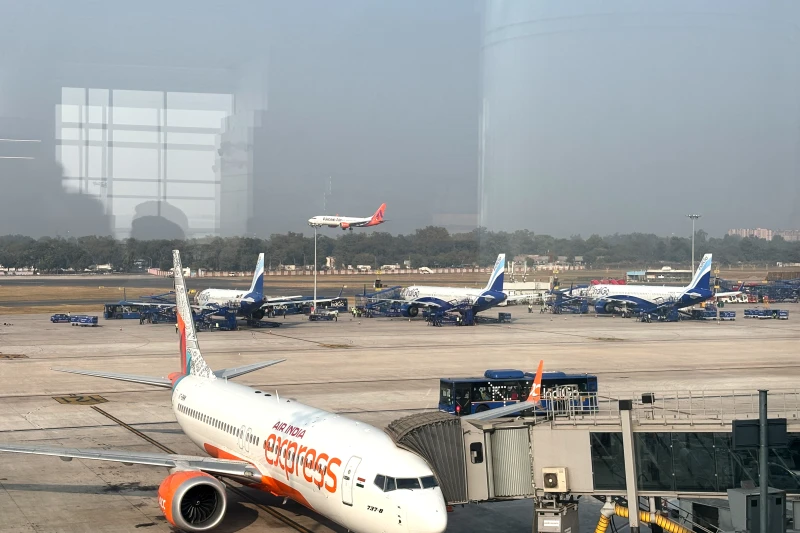
In a rapid response to widespread travel chaos, Indian aviation authorities have lifted recent restrictions on pilots that had triggered flight cancellations and caused significant disruptions at major airports. The move comes after India’s largest airline canceled hundreds of flights, stranding travelers and sparking public outcry over the state of domestic air travel.
Background: The Restrictions and Their Impact
Earlier this week, the Directorate General of Civil Aviation (DGCA) imposed temporary limits on pilot duty hours and operational schedules, citing concerns over safety and regulatory compliance. While the measures aimed to reduce fatigue and ensure passenger safety, they inadvertently created operational bottlenecks for the country’s largest carriers.
The airline, which operates a significant portion of India’s domestic flights, was forced to cancel dozens of routes, particularly on busy corridors connecting metropolitan hubs. Airports across New Delhi, Mumbai, and Bengaluru reported long queues and delays as the restrictions reduced the number of pilots eligible to operate flights at any given time.
Public and Industry Backlash
Passengers faced hours-long waits, missed connections, and disrupted travel plans. Social media erupted with criticism of both the airline and regulators, prompting urgent discussions between the government and airline executives. Industry bodies also warned that prolonged restrictions could have long-term effects on India’s aviation sector, potentially undermining growth in one of the world’s fastest-expanding air travel markets.
Government Response: Withdrawal of Restrictions
Acknowledging the immediate disruption, the DGCA announced the withdrawal of the pilot restrictions, allowing airlines to return to their standard scheduling practices. Officials stated that the decision was made after consultations with airlines, pilot associations, and safety experts, emphasizing that safety remains a top priority but that measures must be practical and balanced with operational realities.
Airlines quickly adjusted their schedules, announcing that most canceled flights would resume over the next 24–48 hours. Passengers were urged to check with carriers for updated flight information as airports gradually returned to normal operations.
Lessons and Future Safeguards
Aviation analysts suggest that the episode highlights the delicate balance between safety regulations and operational efficiency. While ensuring pilots are not overworked is crucial, regulators and airlines must collaborate to implement rules that do not disrupt travel on a massive scale.
Some industry voices have called for better workforce planning, more flexible duty-hour management systems, and enhanced communication between regulators and airlines to prevent similar disruptions in the future.
Moving Forward
With the restrictions lifted, India’s aviation sector is expected to stabilize quickly, but the incident underscores the challenges of managing rapid growth in domestic air travel. For travelers, the focus is on smooth flights and timely arrivals, while for regulators, the task will be designing policies that safeguard both safety and efficiency in an increasingly busy airspace.
















Leave a Reply