

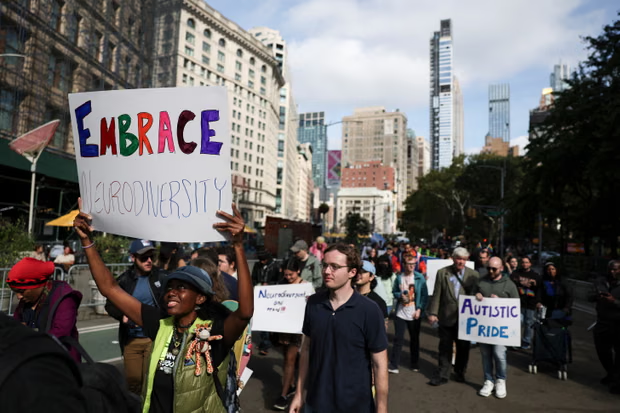
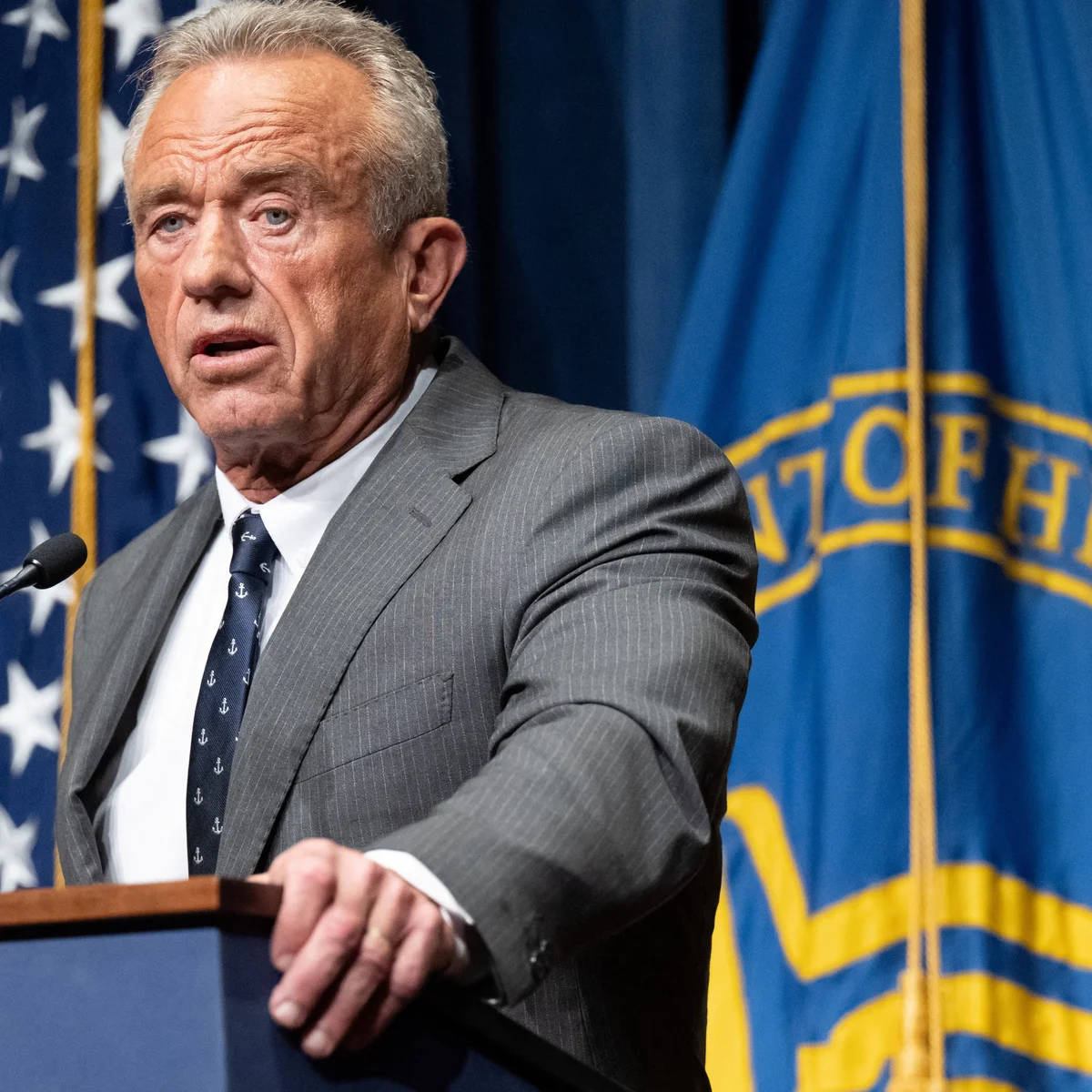
Autism advocacy groups are intensifying efforts to counteract what they describe as a relentless barrage of misinformation about autism and vaccines promoted by RFK Jr., a prominent figure in the anti-vaccine movement. Advocates say the spread of inaccurate claims has real-world consequences for families and public health.
The Misinformation Challenge
RFK Jr. has long been a controversial voice in vaccine discourse, claiming connections between vaccines and autism despite overwhelming scientific evidence disproving such links. Advocacy groups warn that repeated exposure to these claims can:
- Increase vaccine hesitancy among parents.
- Undermine trust in medical professionals and public health institutions.
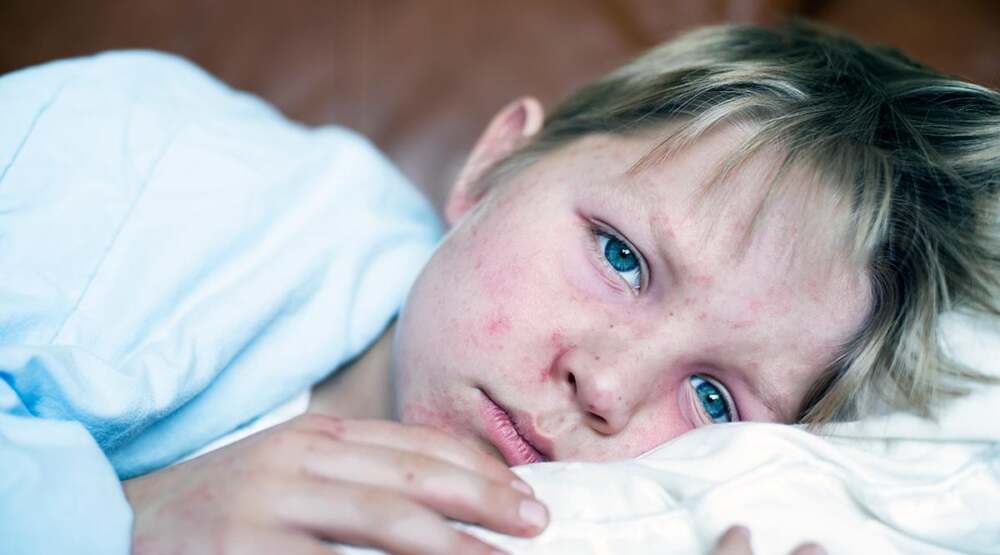
- Lead to delayed or missed vaccinations, putting children at risk for preventable diseases.
Autism Advocates Respond
Organizations such as Autism Speaks, The Autism Science Foundation, and local community groups have ramped up educational campaigns to provide accurate, evidence-based information about autism and vaccination. Their work includes:
- Hosting webinars and Q&A sessions with medical experts.
- Publishing accessible resources debunking common myths.
- Engaging with social media to correct misinformation in real time.
For many advocates, this has become a full-time effort. “It becomes my whole job to counter these false claims,” said one advocacy leader. “Every day, we see families misled by misinformation, and we have to step in to provide clarity and support.”
The Human Impact
Families affected by autism report that false narratives can be emotionally and socially damaging. Parents may feel blamed for their child’s condition or misled about treatment options, while the broader public may develop misconceptions about what autism is and how it should be addressed.
Science as the Foundation
Medical and scientific communities stress that vaccines are safe, do not cause autism, and are crucial in preventing serious illnesses. Evidence-based approaches to autism focus on early diagnosis, behavioral therapy, and support services, rather than unproven claims about environmental causes.
Advocates emphasize the importance of critical thinking and media literacy, urging the public to rely on peer-reviewed research and trusted healthcare professionals rather than viral misinformation.
Looking Forward
As misinformation continues to circulate online, autism advocacy groups remain committed to education, outreach, and public engagement. Their efforts aim to protect children’s health, support families, and ensure that decisions about vaccines and autism care are guided by science, not fear.














Leave a Reply