

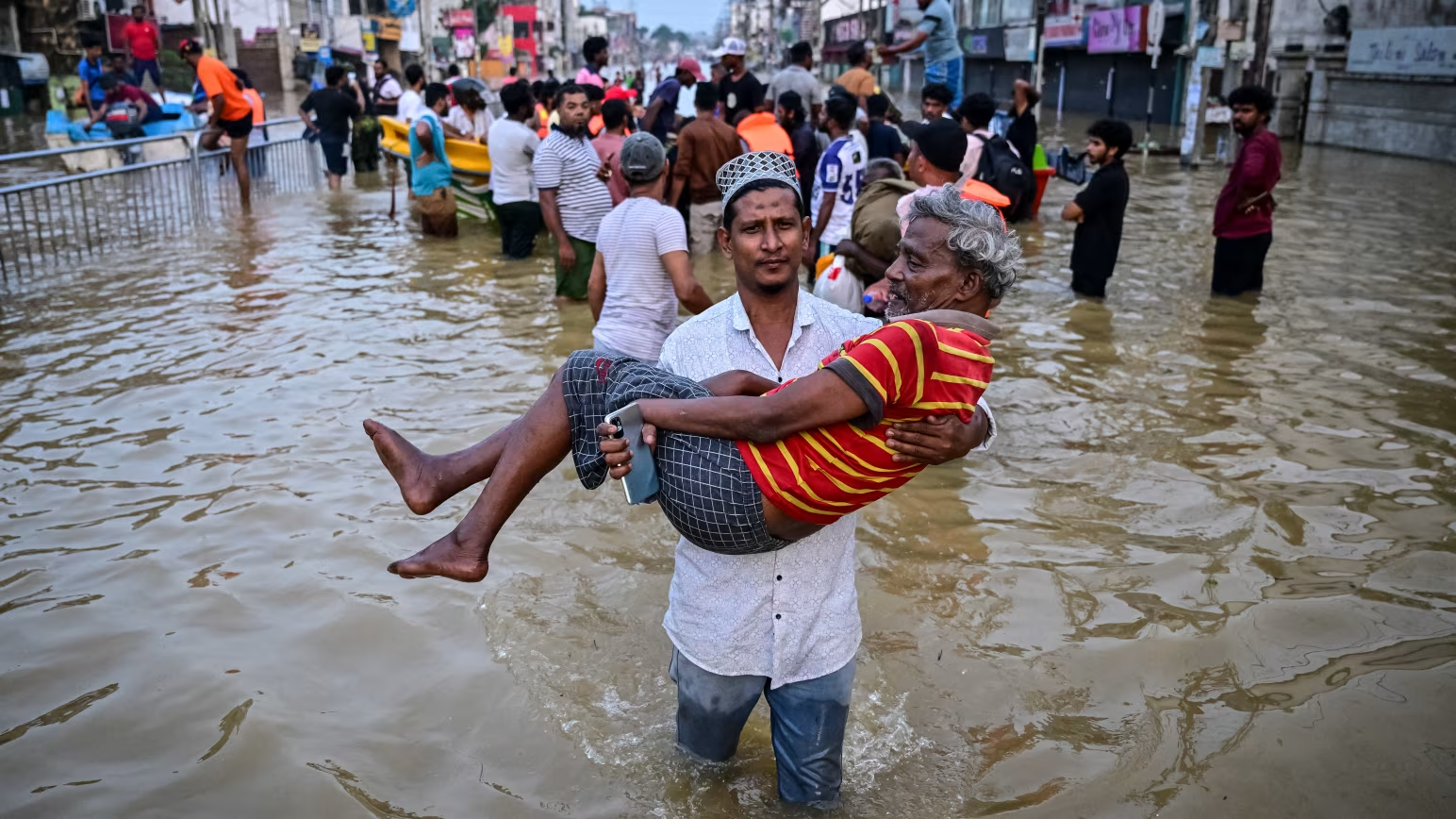
Indonesia is facing one of the deadliest natural disasters in its recent history, as catastrophic flooding continues to devastate communities across several provinces. With the official death toll now exceeding 900, survivors are navigating scenes of destruction to reach emergency aid centres—many forced to climb over fallen trees, mud-coated logs, and collapsed structures just to find food, water, and medical assistance.
Torrential rains that began days earlier triggered widespread flash floods and landslides, overwhelming riverbanks and washing away entire neighbourhoods. Rescue workers say many remote villages remain unreachable due to blocked roads, severed bridges, and deep layers of debris. In some areas, floodwaters are still chest-high, leaving residents with no option but to trek through hazardous terrain.
Eyewitness accounts describe families carrying children on their shoulders, using ropes to cross unstable ground and clinging to any dry foothold they can find. Those who made it to relief camps say the journey—often several kilometres long—felt like moving through an obstacle course of wreckage.
Humanitarian teams are racing against time to deliver supplies, but conditions have slowed progress. Helicopters and inflatable boats are being deployed to bypass areas where roads have completely vanished. Emergency responders warn that the death toll could rise further as more bodies are recovered and missing persons are accounted for.
Authorities have declared multiple districts disaster zones and mobilised thousands of personnel for rescue and recovery. Shelters are at capacity, with many offering only basic provisions as the scale of need continues to grow. Health officials are also monitoring the risk of waterborne diseases, which tend to spike after major floods.
Indonesian leaders have appealed for solidarity as the country grapples with the immense humanitarian crisis. International aid groups are beginning to coordinate support, though logistical challenges remain severe.
As communities try to rebuild, many survivors say their most urgent need is simple: a safe place to stay, clean water to drink, and assurance that help will continue to reach them—no matter how difficult the path.













Leave a Reply