

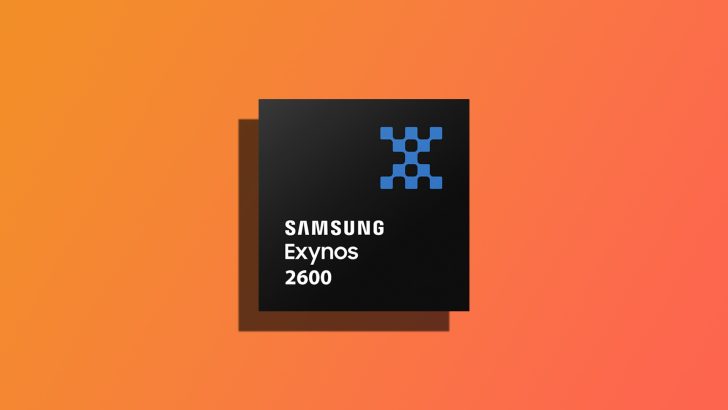
Samsung’s much-anticipated Exynos 2600, touted as the company’s first 2nm Gate-All-Around (GAA) chipset, has yet to enter mass production, according to the latest industry reports. The update appears to downplay earlier optimism about the chipset’s timeline, signaling potential delays in Samsung’s next-generation semiconductor rollout.
The Exynos 2600 is expected to leverage the advanced 2nm GAA process, which promises significant improvements in performance, energy efficiency, and thermal management compared to the current 3nm and 4nm nodes. Analysts have long projected that this chipset could redefine mobile and high-performance computing, making it a cornerstone for Samsung’s future flagship smartphones and other devices.
However, sources familiar with the project indicate that production challenges remain, particularly in achieving stable yields for the 2nm GAA transistors. While Samsung has made considerable progress in prototyping and early-stage testing, full-scale manufacturing is still pending. Industry insiders caution that initial supply could be limited, potentially affecting launch schedules for devices relying on the Exynos 2600.
The report also suggests that while Samsung’s research and development teams continue refining the design, external factors — including global supply chain constraints and the inherent complexity of 2nm GAA production — could further delay commercialization. Market watchers note that this tempers previous expectations of a rapid rollout, highlighting the gap between prototype success and scalable production.
Despite these hurdles, Samsung remains committed to pushing the limits of semiconductor technology. The Exynos 2600, once in production, is expected to compete directly with leading 2nm-class chipsets from rivals, promising higher energy efficiency, AI capabilities, and improved graphics performance for next-generation devices.
Consumers and industry observers will be closely watching Samsung’s announcements in the coming months, eager to see whether the Exynos 2600 will meet its original hype or face a staggered launch schedule.











Leave a Reply