

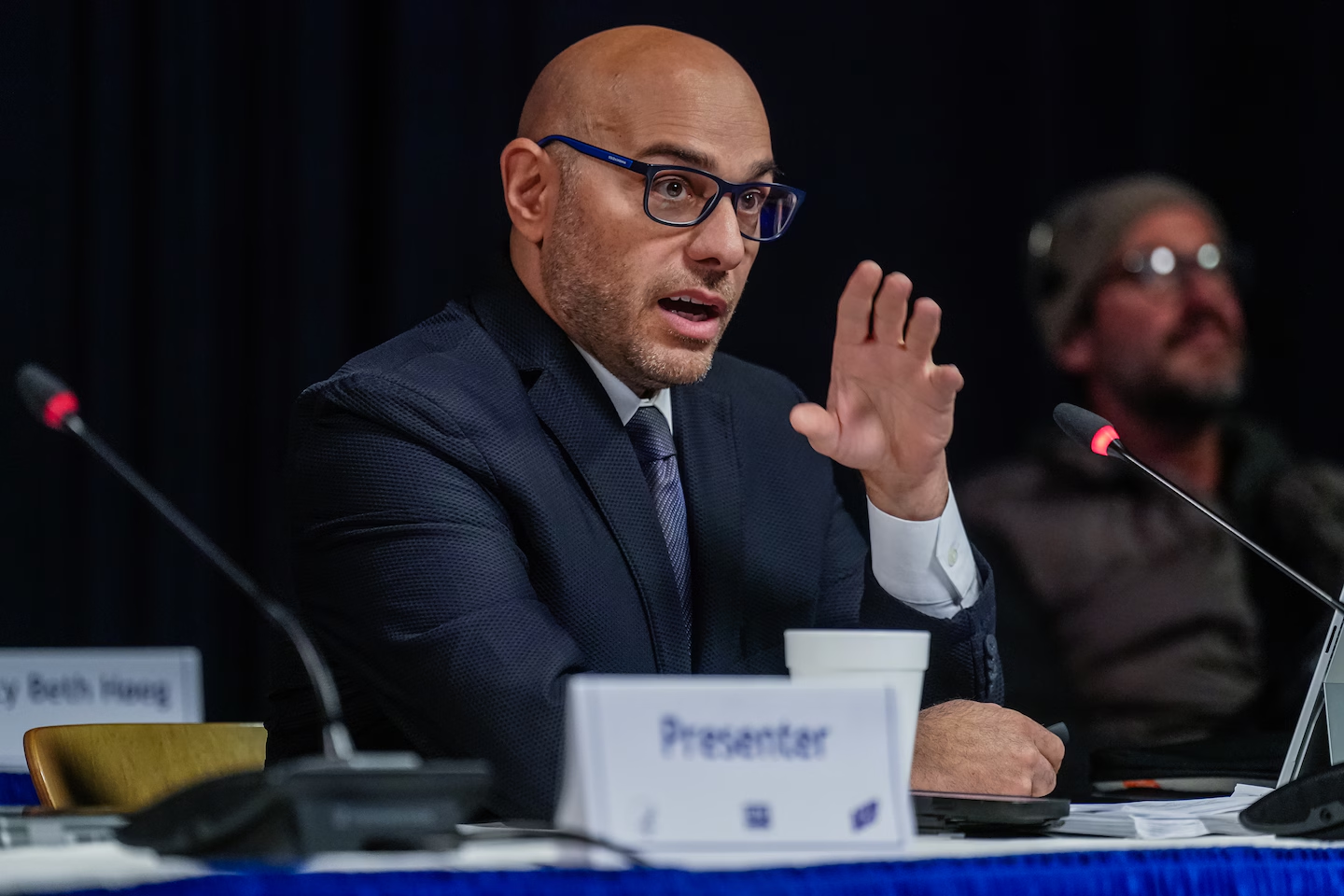
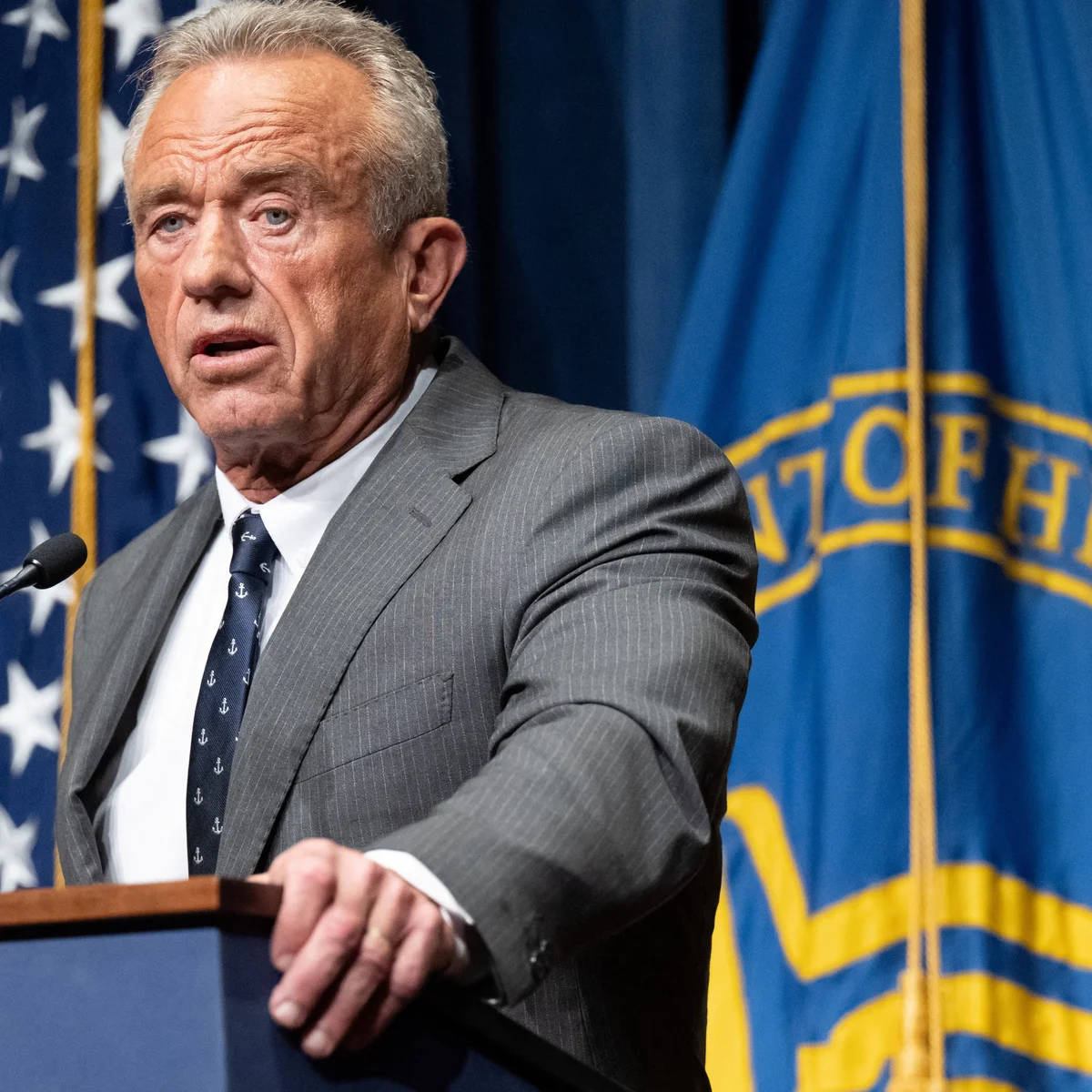
In a historic and unsettling political shift, skeptics of mainstream medicine have assumed leadership positions at the highest levels of government, marking the first time such viewpoints dominate national policy-making. Experts warn that the implications could be profound, touching public health, research funding, and the nation’s approach to emerging health crises.
The rise of leaders critical of established medical practices has been fueled by a combination of public distrust in institutions, misinformation on social media, and growing debates over personal choice versus public health mandates. Supporters argue that these leaders represent accountability and transparency in the healthcare system. Critics, however, warn that sidelining evidence-based medicine risks undermining decades of progress in disease prevention, vaccination, and treatment protocols.
One immediate concern is the potential reshaping of national health policy. Decisions regarding vaccination programs, approval of new pharmaceuticals, and public health campaigns may be influenced more by ideology than scientific consensus. Public health experts are particularly concerned about the management of infectious disease outbreaks, where delayed or inconsistent guidance could have life-threatening consequences.
Research and innovation could also be affected. Funding for clinical trials, epidemiological studies, and biomedical research may shift away from conventional science toward alternative treatments and approaches that have not undergone rigorous testing. This could slow the development of new therapies for critical conditions like cancer, cardiovascular disease, and neurological disorders.
At the same time, these leadership changes may embolden grassroots movements advocating for alternative medicine, wellness industries, and holistic healthcare practices. While some initiatives could benefit public awareness of lifestyle medicine, the challenge lies in balancing choice with the protection of population health.
Public reaction has been mixed. Some citizens express relief that their concerns about pharmaceutical influence and medical bureaucracy are finally being addressed, while others fear a rollback of critical health protections and standards. International observers are also monitoring the situation closely, as national policies in medicine often influence global health strategies and cooperation.
As this unprecedented political shift unfolds, experts stress the importance of vigilance, dialogue, and independent scientific oversight. The coming months will reveal whether this leadership can integrate skepticism responsibly, or whether it will undermine decades of evidence-based medical achievements.
















Leave a Reply