

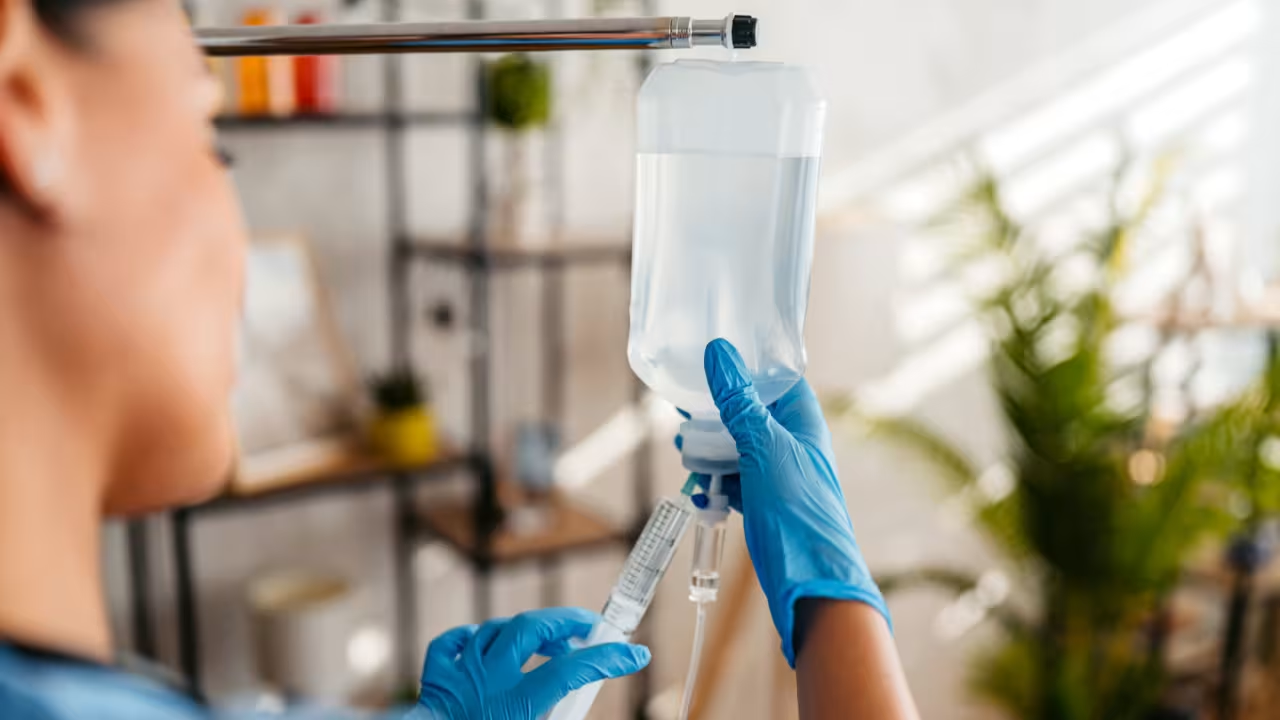
IV vitamin therapy has surged in popularity over the past few years, with clinics and wellness centers touting direct intravenous infusions of vitamins and minerals as a cure-all for fatigue, immunity, and even hangovers. But medical experts caution that the benefits may not live up to the hype—and that your gut health might matter more than your IV bag.
What Is IV Vitamin Therapy?
Unlike traditional oral supplements, IV vitamin therapy delivers nutrients directly into the bloodstream, bypassing digestion. Treatments can include combinations of:
- Vitamin C and B-complex vitamins
- Magnesium, calcium, and zinc
- Amino acids and antioxidants
Promoters claim that IV therapy can boost energy, improve immunity, enhance mental clarity, and even slow aging. Patients often report feeling an immediate “revitalization” after sessions, sometimes marketed as a fast-acting wellness solution.
The Evidence So Far
Research on IV vitamin therapy is limited. While some studies suggest benefits for patients with severe deficiencies or specific medical conditions, evidence supporting its use for general wellness in healthy individuals is weak.
- Nutrient absorption: Oral vitamins are highly effective for most people, and your body can regulate absorption, reducing the risk of toxicity.
- Short-term boost vs. long-term effect: Any immediate energy boost may be psychological or due to the saline infusion itself, rather than the vitamins.
- Medical necessity: IV vitamin therapy is most beneficial in clinical contexts, such as malnutrition, severe dehydration, or specific nutrient deficiencies.
Dr. Amanda Li, a registered dietitian, explains, “For generally healthy individuals, there’s little evidence that IV vitamins provide benefits beyond what a balanced diet and good hydration can offer.”
Follow Your Gut
Interestingly, gut health may be more critical than intravenous nutrient infusions. A balanced gut microbiome supports nutrient absorption, immune function, and even mood regulation. Experts suggest that:
- Eating a diverse diet rich in fiber, fermented foods, and plant-based nutrients often provides more lasting benefits than IV therapy.
- Maintaining hydration, sleep, and regular exercise supports natural energy levels and immunity.
- Supplements may still help in cases of deficiency, but oral intake is usually safer and more cost-effective.
“Instead of chasing quick fixes, people should focus on building healthy habits that support their gut and overall metabolism,” says Dr. Michael Alvarez, a gastroenterologist.
Potential Risks
While generally safe when administered by professionals, IV vitamin therapy carries some risks:
- Infection or irritation at the infusion site
- Electrolyte imbalance or nutrient overdose if improperly formulated
- Cost and accessibility, as treatments can run hundreds of dollars per session with limited proven benefit
Experts urge caution, particularly for individuals with kidney or heart conditions, where excessive minerals or fluids could be harmful.
Bottom Line
IV vitamin therapy may provide short-term relief or a placebo effect, but its long-term benefits for healthy individuals remain unproven. Nutrition and gut health experts emphasize that a balanced diet, proper hydration, and lifestyle habits are far more effective and sustainable for boosting energy and wellness.
In short: don’t overlook the power of your own digestive system—it might be the most potent “IV drip” you have.
















Leave a Reply