

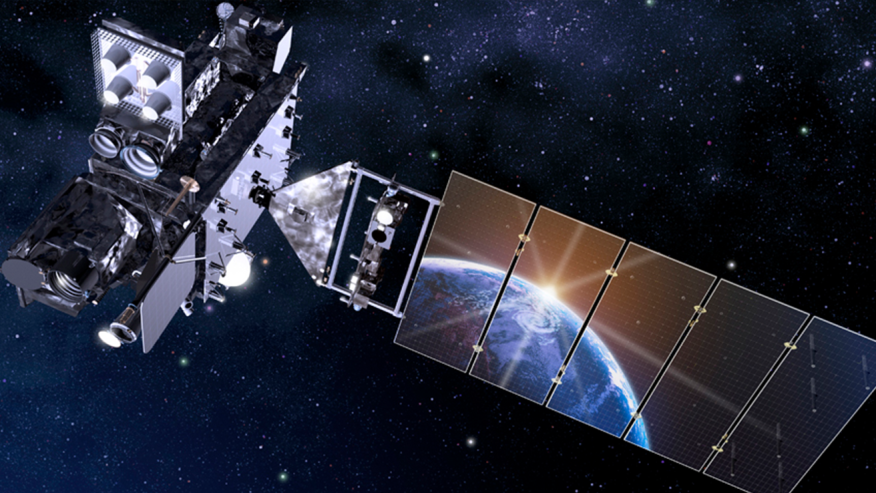
A new study has highlighted a potential threat to Earth’s satellite infrastructure from powerful solar storms, suggesting that if a major event were detected, humanity could have as little as three days to mitigate catastrophic damage. The findings underscore the vulnerability of modern technology to solar activity and the urgent need for robust space weather preparedness.
The Science Behind Solar Storms
Solar storms, or coronal mass ejections (CMEs), are bursts of charged particles and magnetic fields ejected from the Sun’s surface. When directed toward Earth, these storms can interact with the planet’s magnetosphere, producing geomagnetic storms capable of disrupting electronics, communications, and navigation systems.
While the Sun’s activity follows an 11-year cycle, large-scale CMEs remain unpredictable, and the most extreme events—akin to the Carrington Event of 1859—could have severe consequences in today’s satellite-dependent world.
Why Three Days Is Critical
According to researchers, detecting a CME does not immediately eliminate the risk. The solar wind and associated particles typically reach Earth in 1–3 days, leaving a narrow window for intervention. Satellite operators, energy grids, and critical communication networks would need to take emergency measures to protect infrastructure, including:
- Shutting down vulnerable satellites
- Reorienting spacecraft to minimize exposure
- Activating backup power and shielding protocols for sensitive equipment
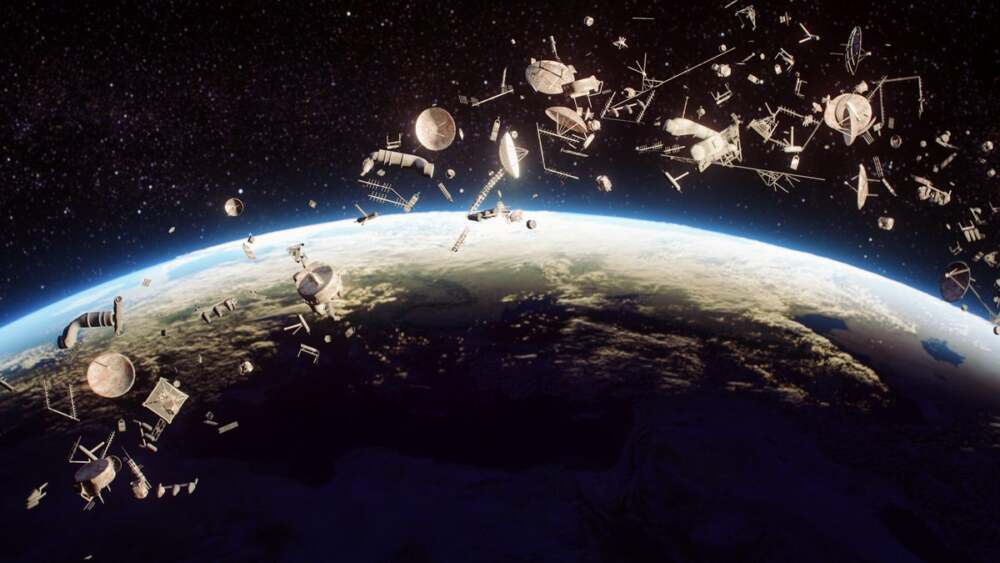
Failure to act quickly could result in widespread satellite failures, GPS disruptions, and compromised communications, affecting everything from financial systems to air traffic control.
Preparing for the Worst
Space agencies and private companies are increasingly investing in solar storm prediction and mitigation technology. Advanced monitoring satellites, improved forecasting models, and protective shielding for spacecraft are key strategies to reduce vulnerability.
Experts also stress the importance of international coordination. “A major solar storm is a global threat,” said Dr. Elena Torres, a solar physicist. “We need collaborative emergency plans so that governments and industries worldwide can respond effectively in those critical three days.”
Broader Implications
The study raises awareness not only of the risk to satellites but also to terrestrial power grids, communication networks, and even aviation safety. As society becomes ever more reliant on space-based infrastructure, the potential impact of solar storms grows correspondingly.
A Call to Action
While a catastrophic solar storm is rare, the research emphasizes the need for vigilance, investment, and preparedness. With just a narrow window of time between detection and impact, authorities, scientists, and companies must ensure emergency protocols are ready, so Earth is not caught off guard when the Sun unleashes its next major outburst.










Leave a Reply