

U.S. inflation data surprised markets after new figures showed consumer prices rose by just 2.7% in November, reinforcing signs that inflationary pressures continue to ease and strengthening hopes for a softer economic landing.
The Consumer Price Index (CPI), a key measure tracking changes in the cost of everyday goods and services, came in lower than many analysts had anticipated. The reading suggested that price growth is steadily slowing after years of elevated inflation driven by supply disruptions, energy shocks, and aggressive post-pandemic demand.
Lower energy costs and moderating food prices played a significant role in keeping inflation in check. While housing-related expenses remained a major contributor to overall price increases, the pace of rent and shelter inflation showed further signs of gradual cooling, offering relief to households strained by high living costs.
Core inflation, which excludes volatile food and energy prices and is closely watched by policymakers, also showed moderation. Economists noted that easing price pressures across services and consumer goods point to a broader slowdown rather than a temporary fluctuation.
Financial markets reacted positively to the data, with investors interpreting the figures as supportive of potential interest rate cuts in the coming months. Bond yields edged lower as traders adjusted expectations for monetary policy, while equity markets found encouragement in the prospect of lower borrowing costs and improved consumer spending power.
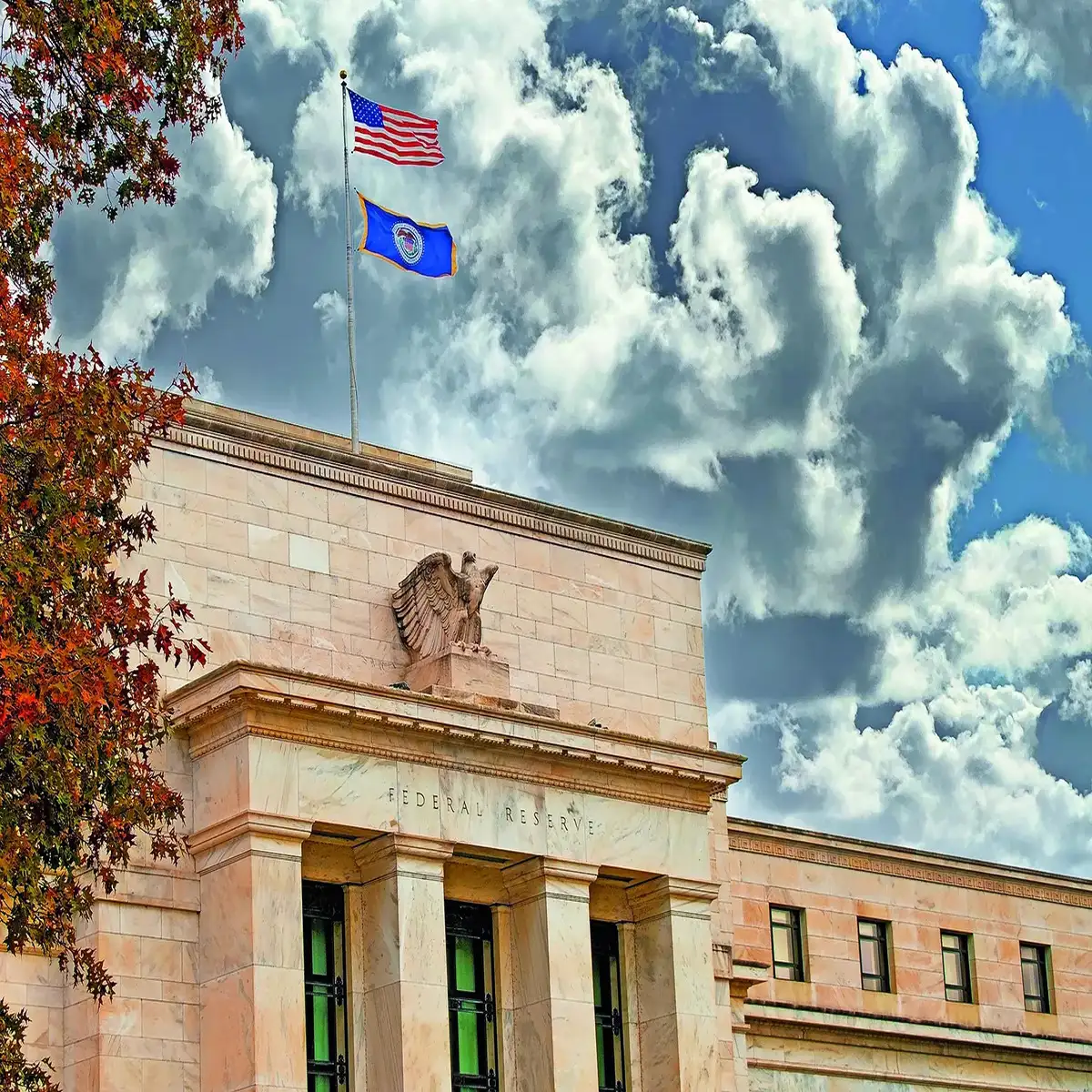
For the Federal Reserve, the report adds weight to the argument that its aggressive rate-hiking campaign has been effective. Officials have repeatedly stressed the importance of data-driven decisions, and the November CPI reading strengthens the case for a more cautious approach going forward, though policymakers have warned against declaring victory too early.
Despite the encouraging headline figure, analysts cautioned that inflation remains above the central bank’s long-term target. Wage growth, service-sector prices, and geopolitical risks could still pose challenges to sustained price stability.
For consumers, the data offers tentative optimism as everyday price increases become less severe. However, economists say it may take more time before households feel significant relief, particularly in housing and healthcare costs.
As the year draws to a close, the November inflation report marks another step toward normalization, raising confidence that the U.S. economy may be entering a period of steadier growth with inflation gradually coming under control.















Leave a Reply