

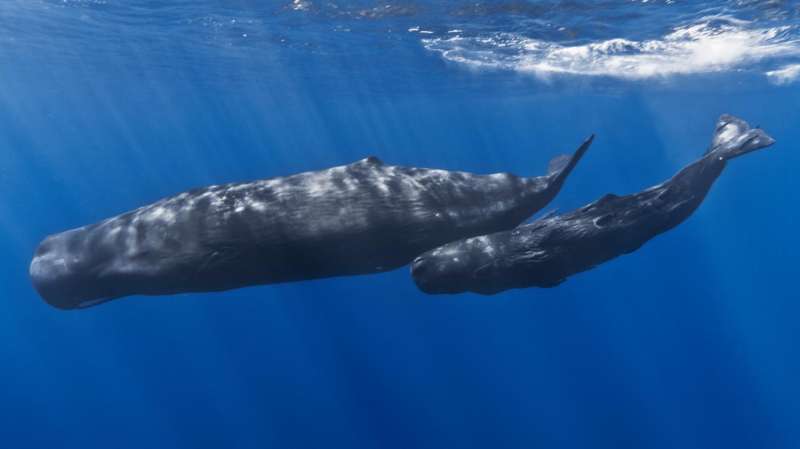
A groundbreaking study using drone technology has revealed the presence of a potentially deadly virus in Arctic whales, marking the first documented case of this pathogen in marine mammals in the region. The findings raise important questions about wildlife health, climate change impacts, and potential risks to both animal and human populations.
Innovation in Wildlife Monitoring
Researchers deployed drones to collect exhaled breath, or “blow,” from several species of Arctic whales. This non-invasive method allows scientists to monitor whale health without disturbing the animals. The collected samples were then analyzed for pathogens, including viruses that could pose serious threats to marine populations.
Discovery of a Potentially Deadly Virus
Laboratory analysis confirmed the presence of a virus previously unrecorded in Arctic whale populations. While it is not yet clear how widespread the virus is or its exact effects on whales, experts caution that viral outbreaks in marine mammals can lead to severe illness or mass die-offs, especially in populations already stressed by changing environmental conditions.
Implications for Marine and Human Health
The discovery underscores the interconnectedness of marine ecosystems and global health. Viruses circulating among marine mammals can sometimes cross species barriers, posing potential risks to humans and other wildlife. Monitoring these pathogens is critical for early detection and prevention of possible outbreaks.
Climate Change and Emerging Threats
Scientists note that warming Arctic waters and shifting migratory patterns may increase interactions among species and amplify the spread of pathogens. This makes surveillance using innovative tools like drones increasingly important to understand emerging disease threats in sensitive ecosystems.
Future Research and Monitoring
Researchers plan to expand drone sampling to cover larger geographic areas and more whale species. Long-term monitoring could provide crucial insights into the prevalence and evolution of viruses in marine populations and inform conservation strategies to protect these iconic animals.
Conclusion
The first evidence of a potentially deadly virus in Arctic whales, captured through drone sampling, highlights the importance of advanced technology in wildlife research. It also serves as a warning that climate change and environmental disruption may be contributing to the emergence of new threats to marine and possibly human health.

















Leave a Reply