

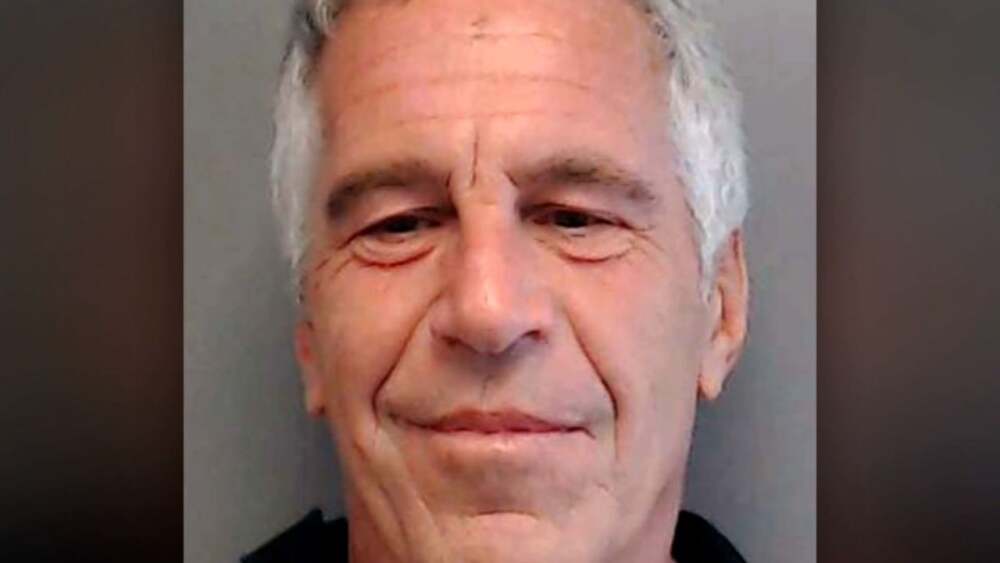
A newly released tranche of materials tied to the Jeffrey Epstein investigation has brought fresh attention to one of the most controversial criminal cases of the modern era. While the release includes previously unseen photographs and documents that add new texture to the public record, it also underscores how much of the case remains hidden, with large volumes of files still withheld from public view.
The newly disclosed images, drawn from evidence collected during multiple investigations, reportedly show Epstein in various social settings, alongside associates and in properties long linked to his activities. Some photos offer clearer timelines of Epstein’s movements and relationships, while others provide visual confirmation of locations and events that were previously described only in testimony or court filings. For journalists and researchers, these images help corroborate parts of the narrative that have been debated for years.
However, the release has also reignited criticism from transparency advocates and victims’ rights groups. According to officials involved in managing the records, many files remain sealed or redacted due to ongoing legal concerns, privacy laws, and the need to protect victims and third parties. These withheld materials are believed to include interview transcripts, financial records, travel logs, and communications that could shed further light on the full scope of Epstein’s network.
Legal experts note that such selective disclosure is common in high-profile cases involving sensitive information. Courts often balance the public’s right to know against the risk of retraumatizing survivors or unfairly implicating individuals who were never charged. Still, critics argue that the continued secrecy fuels speculation and undermines confidence that justice has been fully pursued.
For survivors of Epstein’s abuse, the mixed nature of the release has been emotionally complex. Some have said the new materials validate long-standing claims and reinforce calls for accountability beyond Epstein himself. Others express frustration that crucial evidence remains inaccessible, delaying a fuller reckoning of how the abuse was enabled and ignored for so long.
The latest disclosure also comes amid renewed political and public interest in unresolved questions surrounding Epstein’s death in custody and the extent of institutional failures that allowed his crimes to continue for years. Lawmakers in several jurisdictions have again called for comprehensive reviews of how evidence is classified and released in cases involving systemic abuse.
As attention returns to the Epstein case, the newly released photos serve as a reminder that while fragments of the truth are emerging, the complete picture remains elusive. Until the remaining files are addressed—either through future court orders or policy changes—the public debate over accountability, transparency, and justice in the Epstein saga is unlikely to fade.


















Leave a Reply