

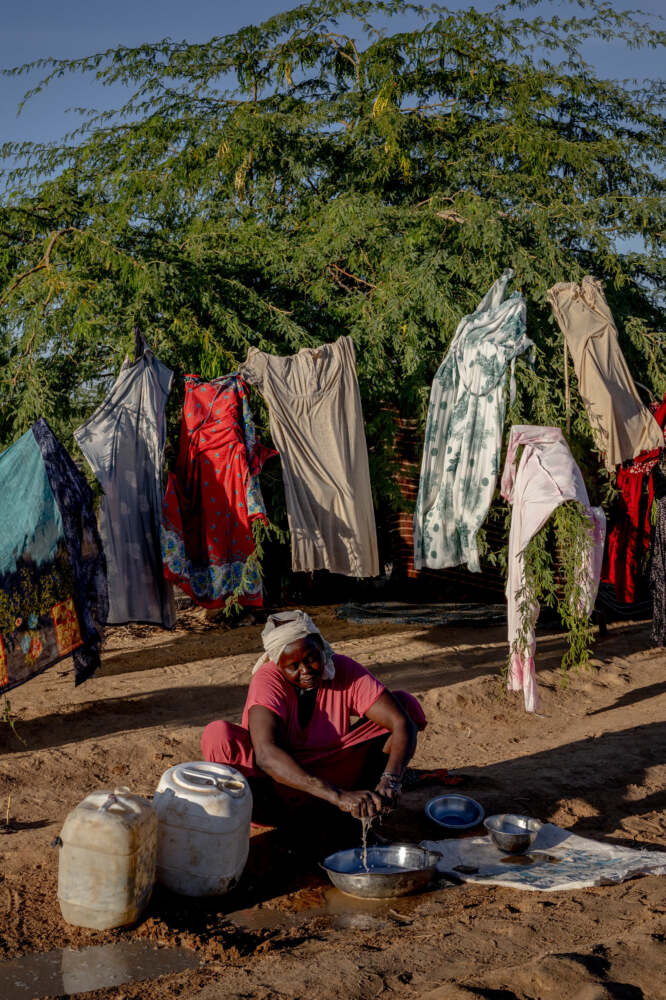
A new investigative report has leveled grave accusations against Sudan’s Rapid Support Forces (RSF), alleging a systematic effort to conceal evidence of mass atrocities through the burning of bodies and the use of secret mass graves. The findings add to mounting international concern over alleged war crimes committed during Sudan’s devastating conflict.
According to the report, investigators uncovered disturbing signs that RSF fighters attempted to eliminate physical evidence of large-scale killings in areas under their control. Witness testimonies, satellite imagery, and forensic indicators point to bodies being burned in open areas and hastily buried in unmarked graves, often near former detention sites or villages that experienced intense fighting.
Survivors interviewed for the report described scenes of extreme brutality. Some said they were forced to flee after witnessing executions, while others claimed they later returned to find scorched ground, disturbed soil, and the smell of burned remains. In several locations, residents reported being warned not to approach certain sites, fueling suspicions that mass graves were deliberately hidden to prevent documentation.
Human rights researchers involved in the investigation argue that the alleged actions suggest an organized attempt to obstruct future accountability. By destroying bodies and concealing burial sites, perpetrators may be trying to make it harder for forensic teams to identify victims, determine causes of death, or link crimes to specific units and commanders.
The RSF has previously denied accusations of systematic abuse, blaming civilian deaths on the chaos of war and accusing rival forces of spreading misinformation. However, rights groups say the consistency of accounts across different regions strengthens the credibility of the allegations. They also note that similar patterns—burning bodies, removing corpses, and burying victims in mass graves—have been documented in other conflicts where armed groups sought to hide evidence of crimes against civilians.
International observers warn that the reported atrocities could amount to war crimes or crimes against humanity if proven. Calls are growing for independent investigations and secure access for forensic experts to suspected grave sites before evidence is further destroyed by time, weather, or continued fighting.
For families of the missing, the revelations are particularly painful. Thousands of Sudanese remain unaccounted for, and many fear their loved ones may lie in unmarked graves. Advocacy groups say truth and identification are essential not only for justice, but also for mourning and healing.
As Sudan’s conflict grinds on, the report underscores a grim reality: even as violence claims lives, efforts may be underway to erase the proof. Whether the international community can preserve evidence and pursue accountability may determine whether these alleged crimes remain buried—or finally brought to light.







Leave a Reply