

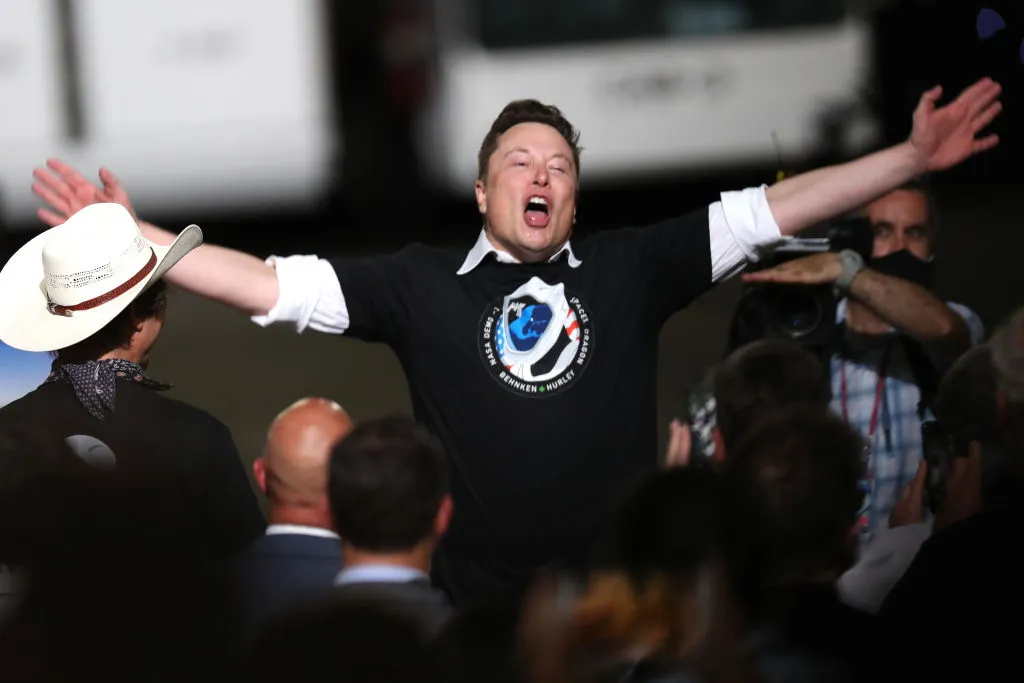
In a landmark ruling with sweeping implications for corporate governance, the Delaware Supreme Court has restored Elon Musk’s massive $56 billion compensation package from Tesla, overturning a lower court decision that had voided the pay deal earlier this year. The judgment marks a decisive legal victory for Musk and Tesla’s board, while reigniting debate over executive pay and shareholder rights.
The compensation package, originally approved by Tesla shareholders in 2018, is widely regarded as the largest executive pay deal in corporate history. It is structured entirely around performance milestones, tying Musk’s compensation to Tesla achieving ambitious targets related to market capitalization, revenue growth, and profitability. At the time of approval, Tesla was a far smaller and less stable company than it is today.
Earlier this year, a Delaware Chancery Court judge ruled against the pay package, concluding that Tesla’s board had not been sufficiently independent and that shareholders were not fully informed when they approved the deal. That decision sent shockwaves through corporate America, raising concerns about the enforceability of shareholder-approved compensation plans.
The Delaware Supreme Court, however, disagreed with that assessment. In its ruling, the court emphasized that Tesla shareholders had knowingly approved the package and later reaffirmed their support in a subsequent vote. The justices found that the performance-based structure of the deal aligned Musk’s incentives with the company’s long-term growth and that the approval process met legal standards.
Tesla argued that the compensation plan was instrumental in motivating Musk to focus intensely on the electric vehicle maker during a critical phase of its expansion. Since the deal was approved, Tesla’s valuation has surged dramatically, transforming it into one of the world’s most valuable automakers and reshaping the global EV industry.
Critics of the decision warn that reinstating such an enormous pay package could set a troubling precedent, encouraging boards to approve outsized compensation for powerful executives. Corporate governance advocates say the case highlights ongoing challenges in balancing founder-led companies, board independence, and meaningful shareholder oversight.
Supporters counter that Musk’s pay is entirely performance-based and does not involve a traditional salary or cash bonus. They argue that shareholders benefited enormously from Tesla’s growth and that the court’s decision reinforces the principle that informed shareholder votes should be respected.
The ruling also strengthens Delaware’s role as the most influential jurisdiction for U.S. corporate law, offering clarity to companies and investors navigating executive compensation disputes. For Tesla, the decision removes a major legal uncertainty at a time when the company faces intensifying competition, regulatory scrutiny, and shifting demand in the electric vehicle market.
As Tesla moves forward, the restored pay package stands as both a symbol of Musk’s unconventional leadership and a flashpoint in the broader debate over how much is too much when it comes to rewarding corporate success.













Leave a Reply