

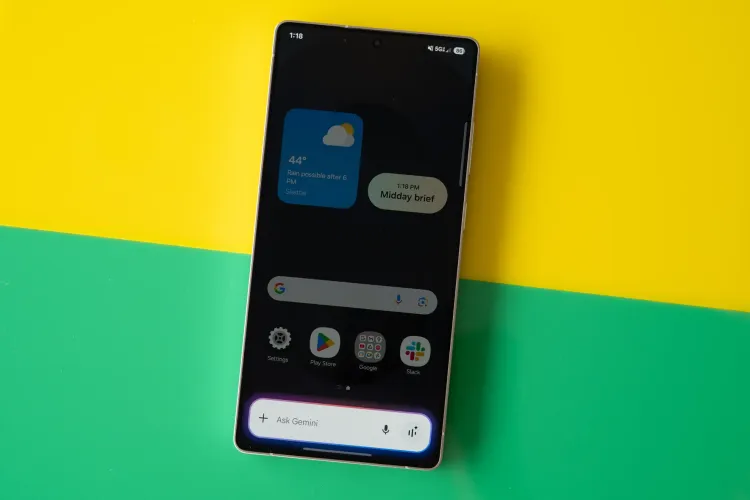
Google Assistant, the AI-powered voice assistant that has become a staple on Android devices for nearly a decade, will continue to be available for some users longer than originally anticipated. The extension comes as Google gradually transitions to newer AI tools, but many Android owners will retain access for the foreseeable future.
Initially, Google had signaled that certain versions of Assistant would be phased out as part of a broader shift toward integrated AI experiences across its ecosystem. The plan was to streamline AI services into a unified interface, prioritizing next-generation features in smartphones, smart displays, and wearable devices. However, user feedback and adoption patterns appear to have influenced a decision to delay the discontinuation for select Android models.
Affected users will continue to access familiar Assistant features, including voice commands, reminders, smart home controls, and quick information queries. Google emphasized that the extension is temporary but did not provide a precise end date, instead citing an effort to ensure a smooth transition for users who rely heavily on the Assistant’s functionality.
Industry analysts suggest that the delay may be strategic. By keeping the Assistant available longer, Google can maintain engagement while encouraging users to gradually explore its newer AI offerings. The move also provides additional time to refine compatibility, performance, and integration across devices before fully retiring legacy Assistant capabilities.
For Android owners, the news is likely to be welcomed by those who have embedded Assistant into daily routines, from controlling smart home devices to managing calendars and messaging hands-free. It also highlights Google’s cautious approach in balancing innovation with continuity, ensuring that early adopters of its AI ecosystem aren’t abruptly left behind.
While Google continues to invest heavily in AI-powered tools and new interactive experiences, the company’s decision underscores the reality that transitions in widely used technologies must account for both technical and user-centered considerations. For now, Android users can breathe a little easier knowing that their digital assistant isn’t going away quite yet.








Leave a Reply