

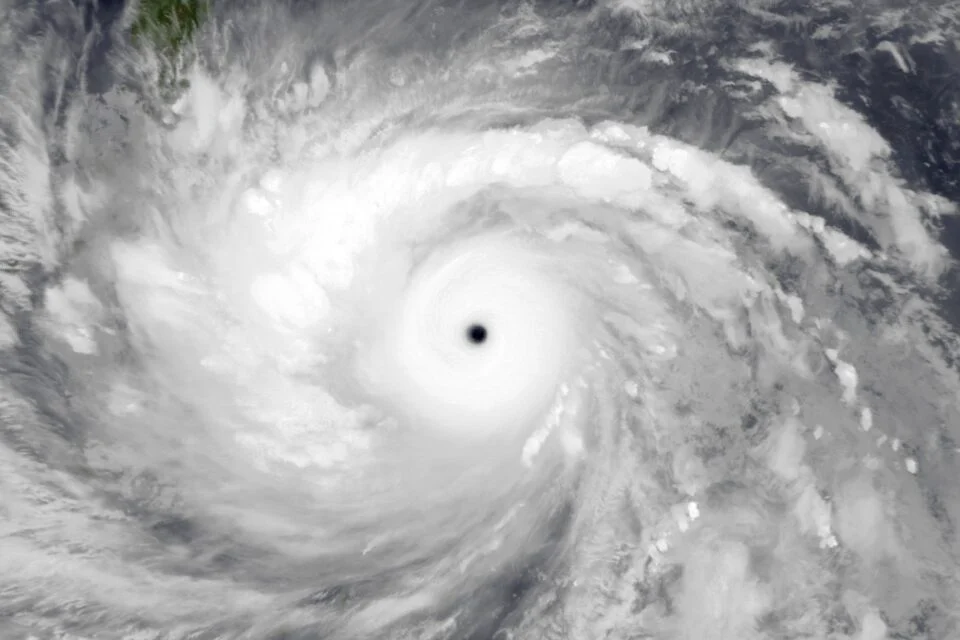
New research indicates that regions of the world’s oceans capable of fueling catastrophic mega-hurricanes are expanding, raising concerns about increasingly severe storm seasons in the coming decades. Scientists attribute the growth of these high-risk zones to rising ocean temperatures and changing climate patterns, both of which create the conditions necessary for supercharged tropical cyclones.
Understanding Mega-Hurricanes
Mega-hurricanes, sometimes classified as Category 5 storms, derive their destructive power from extremely warm sea surface temperatures. These storms can sustain wind speeds exceeding 157 mph, cause unprecedented flooding, and devastate infrastructure over vast areas. Historically, such storms were limited to specific tropical regions, but the latest data suggests that the geographic range of these hotspots is widening.
Causes of Expansion
Climatologists point to several interrelated factors driving this change:
- Ocean Warming: Rising global temperatures increase the amount of heat energy available to tropical systems, intensifying storms.
- Climate Change Feedback Loops: Melting polar ice and altered ocean currents redistribute heat across the oceans, extending areas conducive to mega-hurricane formation.
- Atmospheric Shifts: Changes in wind shear and moisture patterns can create more favorable conditions for storm intensification in previously less active regions.
Dr. Lila Chen, a leading climate scientist, noted, “We are witnessing a concerning trend where regions that historically experienced moderate storms are now seeing conditions capable of generating the most powerful hurricanes. This has major implications for coastal resilience and disaster preparedness worldwide.”
Global Implications
Expanding mega-hurricane hotspots could increase risks for millions of people living in coastal and island regions, particularly in areas previously considered low-risk. Infrastructure, emergency services, and insurance systems may all face heightened pressure as storms grow stronger and more unpredictable.
In addition to immediate threats, the environmental and economic impact of mega-hurricanes can be long-lasting, affecting agriculture, energy supply, and ecosystems. Rising storm intensity may also exacerbate sea-level rise and coastal erosion, further compounding risks for vulnerable communities.
Preparing for the Future
Scientists stress the importance of early warning systems, adaptive infrastructure, and international cooperation to mitigate potential losses. Enhanced modeling of storm patterns, combined with real-time satellite monitoring, can improve forecasts and help authorities respond more effectively.
As oceans continue to warm, the expansion of mega-hurricane hotspots serves as a stark reminder of climate change’s far-reaching effects—and the urgent need for global action to reduce greenhouse gas emissions and protect vulnerable populations.














Leave a Reply