

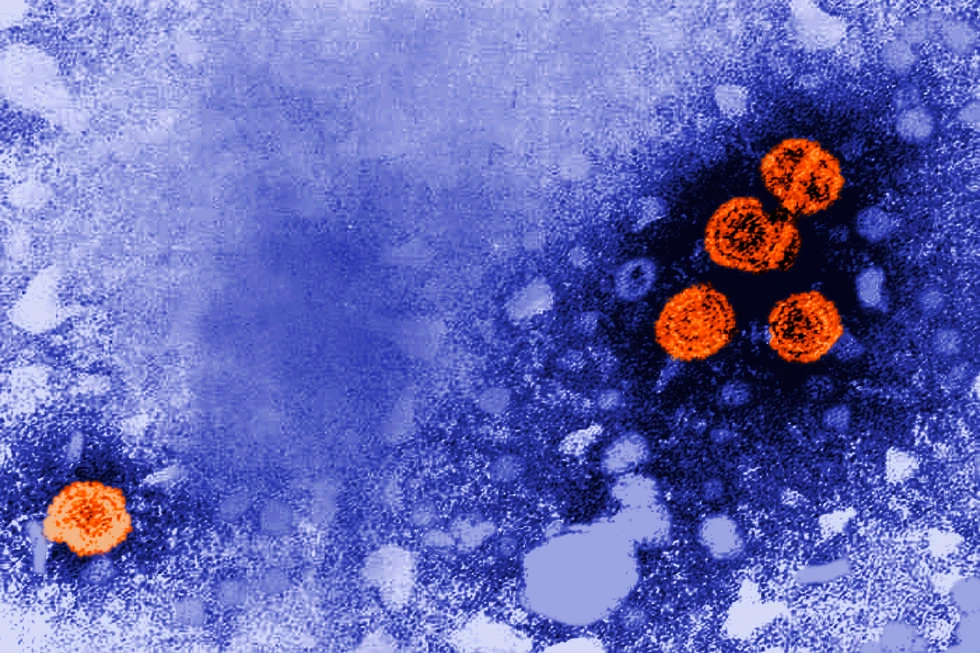
The U.S. government has awarded a no-bid contract to a team of Danish scientists to conduct a study on the hepatitis B vaccine in infants across select African nations. The move, intended to accelerate research on vaccine efficacy and safety in low-resource settings, has drawn attention from public health observers and policymakers.
Purpose of the Study
The research aims to evaluate the immune response and long-term protection provided by the hepatitis B vaccine in newborns and infants in regions with high disease prevalence. By focusing on African populations, where hepatitis B remains a significant public health concern, scientists hope to identify ways to enhance vaccination strategies and potentially inform global immunization policies.
The study will monitor infants over several years, assessing antibody levels, potential adverse effects, and overall vaccine effectiveness. It also seeks to compare outcomes across different vaccination schedules to determine the most protective and practical approach in these settings.
Why a No-Bid Contract?
The decision to award the contract without a competitive bidding process has been justified by officials as a means to expedite urgent public health research. The selected Danish research team has prior experience in pediatric vaccine studies and established partnerships with hospitals and clinics in Africa, which proponents say allows for rapid deployment and high-quality data collection.
Critics, however, argue that no-bid contracts can raise concerns about transparency and accountability, suggesting that competitive processes might encourage broader collaboration and cost-effectiveness.
Global Health Implications
Hepatitis B is a viral infection that can cause chronic liver disease and liver cancer, particularly when contracted in infancy. Vaccination programs have dramatically reduced incidence in many countries, but access and immunization rates remain inconsistent in parts of Africa.
Results from this study could have significant implications:
- Optimizing vaccine schedules for infants in high-risk regions.
- Informing global public health guidelines for hepatitis B prevention.
- Enhancing understanding of long-term immunity in diverse populations.
Ethical and Logistical Considerations
Conducting vaccine trials in infants requires strict ethical oversight, informed consent, and monitoring to ensure safety. The research team is reportedly coordinating with local health authorities and ethics boards to uphold international standards, while also integrating community engagement to foster trust and participation.
Moving Forward
The study is slated to begin in early 2026, with initial findings expected within two years. Health experts hope the research will contribute to improved vaccine strategies that could protect millions of children from hepatitis B, particularly in regions where the virus remains endemic.

















Leave a Reply