

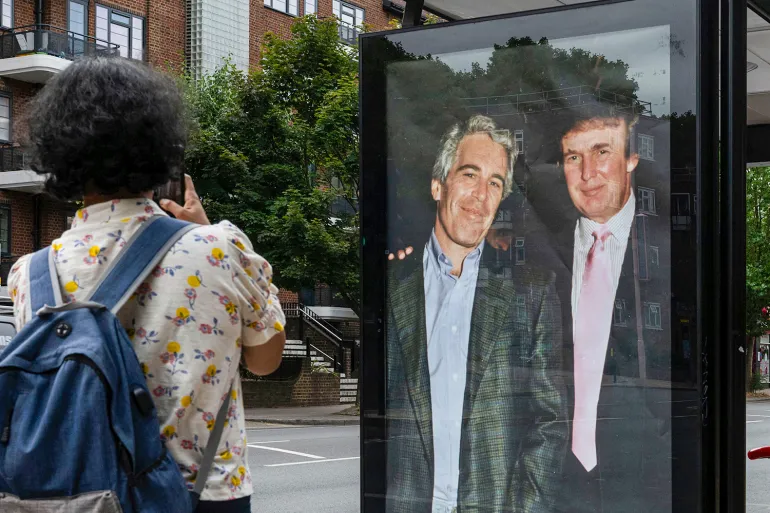
The long-awaited release of files connected to disgraced financier Jeffrey Epstein has triggered anger, disappointment, and renewed trauma among survivors, who say the heavily redacted documents amount to a “slap in the face” rather than a step toward justice.
Victims and their advocates argue that the disclosure, which many hoped would finally shed light on Epstein’s powerful network and the full scope of his crimes, instead obscures more than it reveals. Large sections of the files are blacked out, with names, dates, and contextual details removed—leaving survivors feeling that the truth is still being deliberately concealed.
“For years we were told transparency was coming,” said one survivor through an advocate. “What we got was censorship. It feels like the system is protecting people who should be held accountable.”
Promises of Transparency, Reality of Redactions
The files were released following sustained public pressure, legal battles, and repeated assurances that the public deserved to know how Epstein was able to operate for decades while allegedly trafficking and abusing underage girls. However, the extensive redactions have reignited suspicions that influential figures connected to Epstein are being shielded from scrutiny.
Legal experts note that redactions are often justified on privacy or due-process grounds, particularly when individuals have not been charged. But victims’ groups counter that this explanation rings hollow in a case defined by institutional failures and preferential treatment.
“Survivors have already had their privacy violated in the most horrific ways,” said a victims’ rights attorney. “Using privacy as a reason to withhold key information now feels deeply cynical.”
Emotional Toll on Survivors
Beyond legal arguments, the release has taken an emotional toll. Many survivors say they relived past trauma as media coverage reignited public interest—only to be met with documents that offered little clarity or closure.
Several advocacy organizations emphasized that the redactions undermine trust in the justice system. They warn that the message being sent is that even in death, Epstein’s shadow continues to protect others, while survivors are left waiting once again.
“This wasn’t just about curiosity,” said one advocate. “It was about acknowledgment, accountability, and learning how this happened so it never happens again.”
Calls for Further Action
In response, survivors and activists are calling for additional court orders, congressional oversight, and independent reviews to determine whether the redactions were truly necessary. Some lawmakers have echoed these concerns, suggesting that further disclosures may be required to restore public confidence.
For the victims, however, the damage is already done. What was meant to be a milestone moment has instead deepened a sense of betrayal.
“We survived Epstein,” one survivor said. “We shouldn’t have to keep fighting the system that failed us.”
As the debate over transparency continues, survivors remain united in their demand: not sensationalism, but the unvarnished truth—and a justice system willing to confront it.

















Leave a Reply