

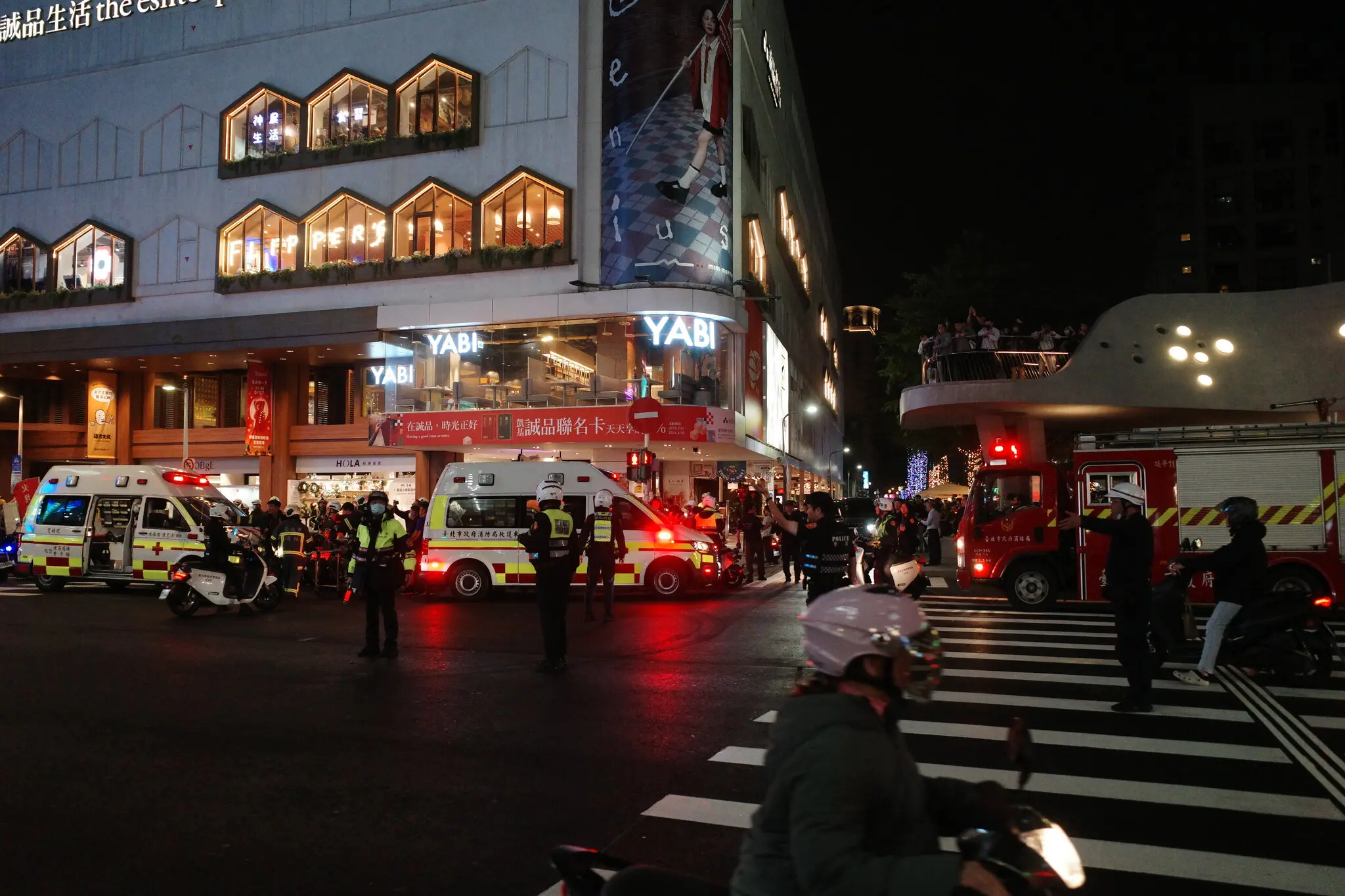
Taiwanese police say the man accused of carrying out a deadly stabbing on a busy subway line had planned the attack in advance, a revelation that has intensified public shock and renewed concerns over safety in mass transit systems across the island.
Authorities confirmed that the suspect conducted prior reconnaissance, selecting the time, location, and method to maximize harm in a confined space. The attack unfolded during peak travel hours, turning an ordinary commute into a scene of panic as passengers scrambled to escape the violence.
Evidence of Advance Planning
Investigators say evidence recovered from the suspect, including personal notes, digital activity, and witness accounts, indicates deliberate preparation rather than a spontaneous outburst. Police believe the attacker studied subway routes and crowd patterns before choosing the train car where the assault began.
“The suspect did not act on impulse,” a senior police official said. “Our findings suggest a clear intention to carry out a mass-casualty attack.”
Authorities are also examining whether the suspect had previously expressed violent ideologies or grievances online, though they have not disclosed a definitive motive.
Chaos in a Confined Space
The stabbing triggered immediate chaos inside the subway car, with passengers using emergency intercoms and alarms to alert operators. Transit staff quickly cut power to the line, and police units were dispatched within minutes. Several commuters were injured while trying to flee, in addition to those directly attacked.
Bystanders and first responders were credited with preventing further bloodshed by restraining the suspect before the attack could spread to other cars or stations.
Public Fear and Calls for Reform
The incident has rattled Taiwan, where violent crime rates are relatively low and public transportation is widely viewed as safe. Commuters expressed fear and anger, questioning how a planned attack could occur in such a heavily used and monitored space.
In response, government officials pledged a review of subway security measures, including increased patrols, expanded use of surveillance technology, and improved emergency response training for transit workers.
Mental health professionals and public safety experts have also urged earlier intervention systems to identify individuals showing signs of violent intent before attacks occur.
Legal Consequences Ahead
Prosecutors are preparing charges that could carry severe penalties, given the apparent premeditation and number of victims involved. Under Taiwanese law, crimes involving deliberate planning and multiple casualties can result in the harshest sentences.
As the investigation continues, memorials have appeared at subway stations, with flowers and messages honoring the victims. The attack has left a deep psychological scar on commuters and reopened a broader debate about how to protect open, public spaces without sacrificing the freedom and accessibility that define urban life.
For now, authorities insist that justice will be swift—and that the lessons from this tragedy will shape stronger safeguards for the future.

















Leave a Reply