

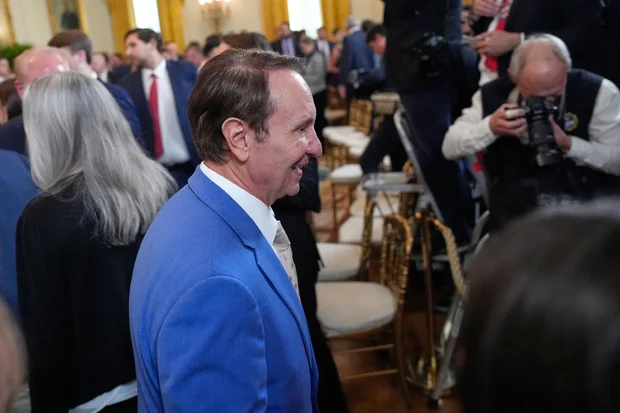
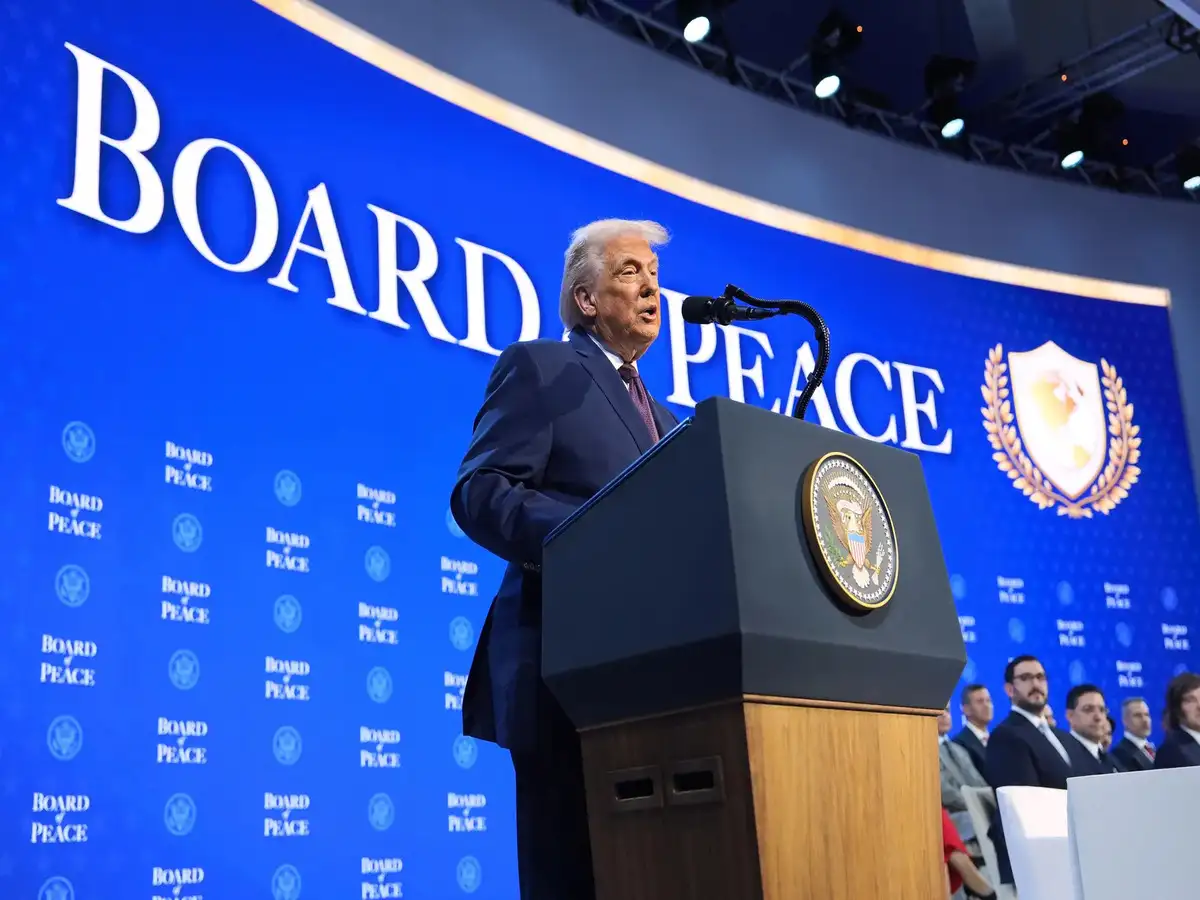
A fresh diplomatic dispute has emerged between Washington and Copenhagen after former U.S. President Donald Trump announced plans to name a special envoy to Greenland, a move that Danish officials say undermines their sovereignty and revives long-standing concerns over U.S. intentions in the Arctic.
According to Danish authorities, the decision prompted Denmark’s foreign ministry to summon the U.S. ambassador for an explanation, signaling the seriousness with which Copenhagen views the matter. Greenland is an autonomous territory within the Kingdom of Denmark, and while it maintains its own government, foreign affairs and defense remain under Danish authority.
The idea of a U.S. special envoy dedicated to Greenland immediately stirred controversy due to Trump’s past public interest in acquiring the strategically located island. During his presidency, Trump openly floated the notion of the United States purchasing Greenland, a suggestion that was swiftly rejected by both Danish and Greenlandic leaders and widely criticized across Europe.
Danish officials argue that appointing a special envoy specifically for Greenland risks bypassing established diplomatic channels and could be interpreted as treating the territory as a separate geopolitical prize rather than part of a sovereign kingdom. In diplomatic circles, such a move is seen as highly unusual between close allies and NATO partners.
Greenland’s growing importance in global politics has fueled these sensitivities. The Arctic island holds vast mineral resources, including rare earth elements critical for modern technologies, and occupies a strategic position amid melting polar ice that is opening new shipping routes. Both the United States and its rivals, including Russia and China, have increased their focus on the region in recent years.
From the U.S. perspective, supporters of the envoy role argue it would enhance engagement with Greenland’s local government and strengthen cooperation on security, climate research, and economic development. Critics, however, say the timing and symbolism of the appointment suggest a revival of transactional foreign policy that prioritizes strategic leverage over alliance management.
In Greenland, reactions have been mixed. Some political figures welcome greater international attention and potential investment, while others fear becoming a pawn in great-power competition. Many Greenlandic leaders have reiterated that their future must be decided by Greenlanders themselves, not by foreign capitals.
The diplomatic fallout highlights how Arctic geopolitics are increasingly testing traditional alliances. As climate change accelerates access to the region and competition intensifies, even long-standing partners like the United States and Denmark are finding their relationships strained by questions of sovereignty, influence, and strategic ambition.
Whether the dispute escalates or cools may depend on how Washington frames the envoy’s role and whether it reassures Denmark that the move respects existing political arrangements. For now, the episode serves as a reminder that the Arctic is no longer a quiet frontier, but a focal point of global diplomacy and tension.










Leave a Reply