

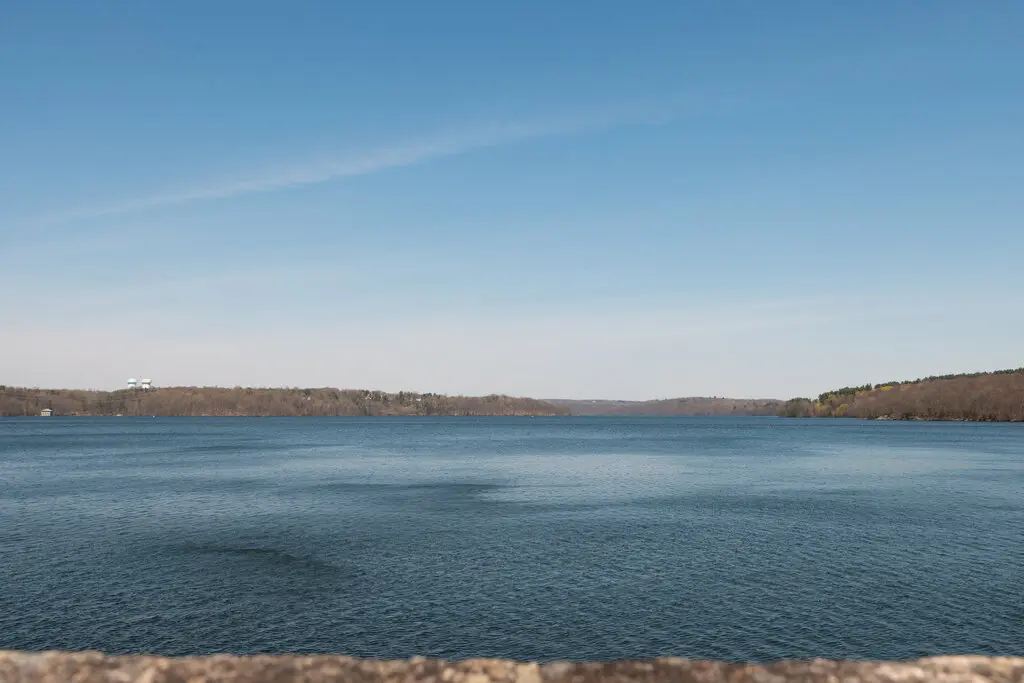
New York City is home to one of the largest and most unusual drinking water systems in the world—one that delivers unfiltered water to more than eight million residents every day. Unlike most major cities, which rely on expensive filtration plants, New York has chosen a different path: spending billions of dollars over decades to protect the land where its water originates.
The city’s drinking water comes primarily from the Catskill, Delaware, and Croton watershed systems, vast areas of forests, rivers, farms, and small towns located upstate. Together, these watersheds stretch across thousands of square miles, forming a natural filtration system that cleans water as it flows through soil, wetlands, and vegetation before reaching reservoirs.
Rather than filtering the water at the end of the process, New York invests heavily at the beginning—protecting the land itself. The city has spent millions annually, and billions in total, to buy land, conservation easements, and development rights throughout the watershed. This strategy prevents pollution from entering the water supply in the first place, making mechanical filtration largely unnecessary.
The approach gained urgency in the 1990s, when federal drinking water regulations required cities using surface water to build filtration plants unless they could prove their water sources were adequately protected. For New York, building a filtration plant for the Catskill-Delaware system would have cost tens of billions of dollars, along with enormous ongoing operating expenses. Protecting land, though still costly, was far more economical in the long run.
Under agreements with state and federal regulators, New York committed to preserving sensitive lands, limiting development, and supporting environmentally friendly practices in watershed communities. The city purchases forests and wetlands outright, while also working with private landowners to restrict harmful uses such as intensive construction or industrial activity. These agreements allow landowners to retain ownership while ensuring the land remains environmentally protected.
A major component of the strategy involves partnerships with farmers. Agriculture can be a significant source of water pollution if poorly managed, but New York funds programs that help farmers adopt best practices, such as controlled manure storage, stream buffers, and reduced chemical runoff. These investments protect water quality while supporting the local rural economy.
Wastewater infrastructure is another critical focus. The city has spent millions upgrading septic systems and sewage treatment plants in watershed towns to prevent contamination. Older, failing systems pose a serious risk to water quality, and replacing them benefits both residents and downstream water users.
The results have been striking. New York’s water consistently ranks among the highest quality municipal drinking water supplies in the United States. The city regularly meets or exceeds federal and state standards, allowing it to maintain a special waiver that exempts it from building a full-scale filtration plant for most of its supply.
Beyond water quality, the land-protection strategy delivers additional benefits. Preserved forests help combat climate change by storing carbon, protect wildlife habitats, and reduce flooding by absorbing stormwater. Recreational opportunities such as hiking, fishing, and tourism also support local economies in watershed regions.
However, the system is not without challenges. Climate change is increasing the risk of extreme storms, erosion, and flooding, which can overwhelm natural filtration processes. Population growth and development pressures in upstate communities also test the balance between conservation and economic needs. City officials continue to adapt policies and invest in resilience to ensure the system remains effective.
New York’s approach stands as a rare example of large-scale preventive environmental policy. By spending millions on land preservation instead of concrete and machinery, the city has turned nature itself into infrastructure. The result is clean, reliable drinking water flowing hundreds of miles to millions of taps—proof that sometimes the most advanced technology is simply protecting what already works.

















Leave a Reply