

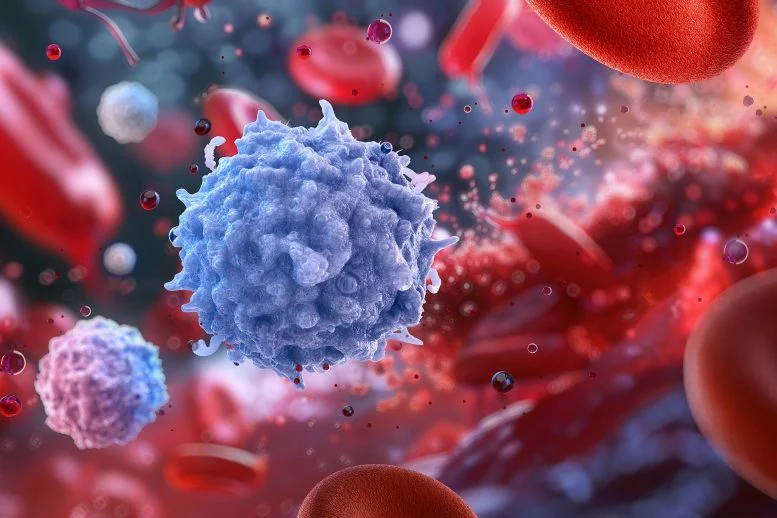
Researchers at the Massachusetts Institute of Technology (MIT) have unveiled a promising approach to rejuvenating the human immune system, a discovery that could revolutionize the treatment of age-related diseases, infections, and immune deficiencies. The study, conducted by a multidisciplinary team of immunologists and bioengineers, demonstrates for the first time a method to restore immune function in aging cells, potentially extending the body’s natural defense mechanisms.
The team focused on the decline in immune efficiency that naturally occurs with aging, a process known as immunosenescence. As individuals grow older, their immune systems gradually lose the ability to respond effectively to pathogens and vaccines, leading to higher susceptibility to infections and slower recovery times. This age-related decline also contributes to the reduced efficacy of treatments for cancers and other chronic illnesses in older adults.
MIT scientists developed a novel technique that targets the regenerative capacity of hematopoietic stem cells (HSCs) in the bone marrow—the cells responsible for producing all blood and immune cells. By applying a combination of molecular signaling pathways and gene modulation, the researchers were able to restore youthful function in HSCs derived from aged laboratory models. These rejuvenated stem cells subsequently produced immune cells with enhanced responsiveness and functionality.
“Our approach essentially rewinds the biological clock of the immune system,” explained one lead researcher. “By restoring stem cell activity, we can improve the body’s ability to fight infections, respond to vaccines, and even potentially enhance the effectiveness of cancer immunotherapies.”
In preclinical tests, the rejuvenated immune systems showed significant improvements in producing key white blood cells, including T cells and B cells, which play critical roles in adaptive immunity. The treated models demonstrated faster responses to viral infections and stronger antibody production, indicators that the technique could have broad applications for age-related immune decline.
Beyond age-related immunity, the MIT team envisions potential applications in treating autoimmune disorders and immunodeficiencies. By fine-tuning the molecular pathways responsible for stem cell function, researchers hope to selectively enhance immune competence without triggering harmful overactivation, which can lead to inflammatory or autoimmune complications.
While the discovery is still in the early stages, it has sparked excitement across the medical and scientific communities. Experts highlight that translating these findings into human therapies will require extensive clinical trials, careful safety evaluation, and regulatory approval. However, the potential impact is immense, offering hope for improved quality of life and resilience against disease in older populations.
The MIT team is now collaborating with biotech companies and clinical research institutions to advance the therapy toward human trials. If successful, this method could transform how medicine approaches aging, preventive care, and immune system restoration, marking a major milestone in regenerative medicine.
This breakthrough underscores the growing convergence of molecular biology, genetics, and bioengineering in tackling some of the most pressing health challenges of the 21st century. Rejuvenating the immune system may soon move from theoretical science to practical application, redefining longevity and disease prevention for millions worldwide.

















Leave a Reply