

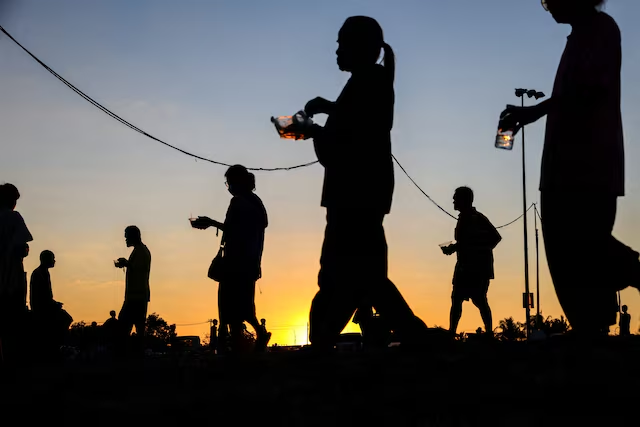
Cambodia and Thailand are preparing to hold high-level talks aimed at reviving a ceasefire framework originally brokered during the Trump administration, as fighting along their disputed border stretches into a third consecutive week. The renewed diplomatic push comes amid mounting concerns over civilian safety, regional stability, and the risk that prolonged clashes could escalate into a wider confrontation.
According to officials familiar with the discussions, representatives from both governments are expected to meet to explore ways to reestablish the truce that once helped calm tensions along sensitive border areas. The ceasefire, informally referred to as “Trump’s truce” due to U.S. involvement during Donald Trump’s presidency, had previously reduced hostilities and created channels for military communication. Its breakdown has coincided with a surge in armed incidents, troop movements, and accusations exchanged by both sides.
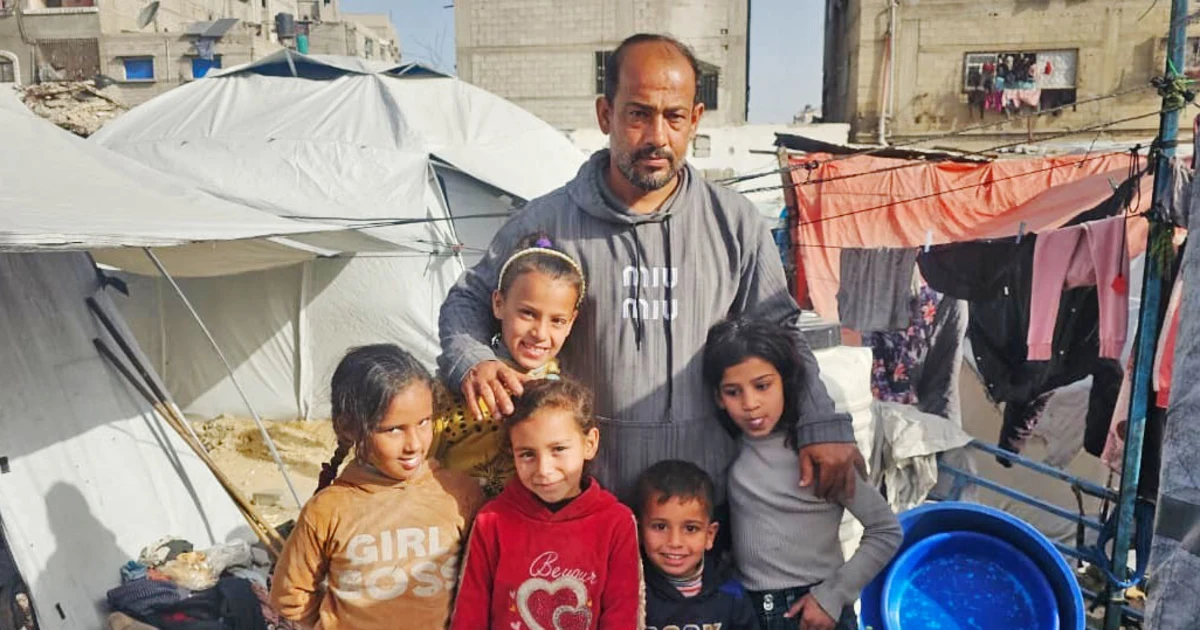
The latest round of fighting has reportedly involved artillery exchanges, small-arms fire, and troop deployments near contested territory. Villagers living close to the border have been forced to flee or shelter in temporary facilities, while local authorities struggle to provide humanitarian assistance amid ongoing security risks. Though casualty figures remain unclear, both Phnom Penh and Bangkok have acknowledged losses and damage, further heightening domestic pressure to find a way out of the conflict.
Diplomatic sources say the planned talks are intended to de-escalate tensions quickly by reinstating confidence-building measures, including ceasefire monitoring, communication hotlines between military commanders, and restrictions on troop movements near flashpoint areas. The revival of the earlier truce is seen as a practical starting point, given that it had already been accepted by both sides in the past.
The dispute between Cambodia and Thailand has deep historical roots, tied largely to contested border demarcations and the symbolic significance of certain areas. While relations between the two neighbors have oscillated between cooperation and rivalry for decades, flare-ups of violence have periodically tested regional stability in Southeast Asia. Analysts note that the current clashes come at a time when the region is already facing economic uncertainty and geopolitical pressure, making prolonged conflict especially risky.
For Thailand, continued fighting raises concerns about national security and economic disruption, particularly in border provinces reliant on trade and tourism. Cambodian officials, meanwhile, have emphasized sovereignty and the protection of local communities, arguing that de-escalation must be accompanied by respect for established boundaries and agreements.
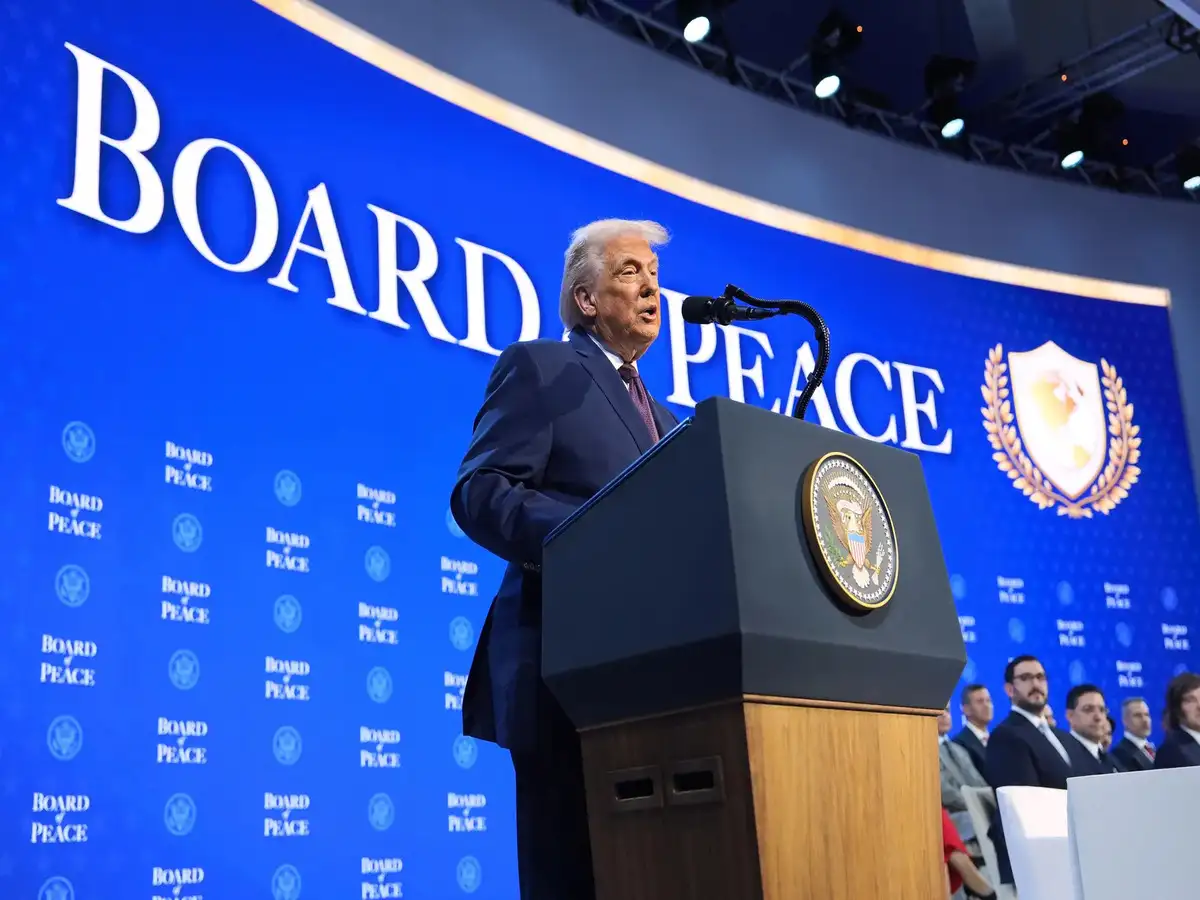
The reference to Trump’s truce has drawn international attention, highlighting how past diplomatic interventions can resurface in new crises. While the former U.S. president is no longer in office, the framework established during his administration remains relevant to both parties as a symbol of external mediation that once produced tangible results. Observers suggest that revisiting this agreement may also open the door for broader international involvement, should bilateral talks fail to yield progress.
Regional organizations are watching developments closely. Stability between Cambodia and Thailand is considered vital for Southeast Asian cohesion, trade routes, and cross-border cooperation. Prolonged fighting risks undermining investor confidence and diverting resources away from development priorities in both countries.
Despite the willingness to talk, skepticism remains. Previous ceasefires have collapsed amid mutual distrust and allegations of violations. Experts warn that any renewed truce will require not only political commitment but also strong mechanisms for verification and enforcement. Without these, a temporary pause in fighting could quickly unravel.
As the third week of clashes unfolds, expectations for the upcoming talks are cautiously optimistic. Both governments appear aware that continued violence offers no clear advantage and carries significant costs. Whether the negotiations can successfully revive Trump’s truce and bring lasting calm to the border will depend on the ability of leaders on both sides to prioritize diplomacy over confrontation.
For now, the talks represent a critical opportunity to halt the fighting, reduce civilian suffering, and prevent another prolonged chapter in a long-running regional dispute.









Leave a Reply