

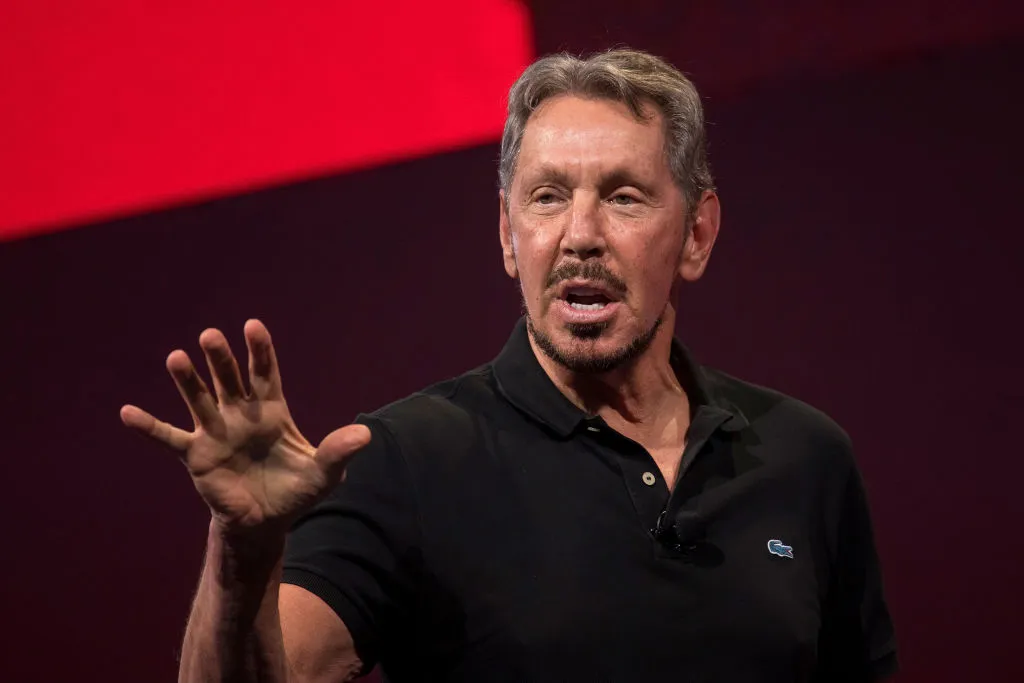
Paramount Global has reignited its long-rumored bid to acquire Warner Bros, signaling a bold new phase in the consolidation of the global entertainment industry. The renewed push is now backed by an estimated $40 billion financial commitment linked to tech billionaire Larry Ellison, dramatically strengthening Paramount’s position and intensifying speculation about one of the largest media mergers in recent history.
According to people familiar with the strategy, Paramount’s latest approach reflects both urgency and opportunity. Traditional media companies are under mounting pressure from streaming giants, shifting advertising markets, and changing consumer habits. By combining Paramount’s film studio, television networks, and streaming platform with Warner Bros’ vast library and production capabilities, the merged entity would instantly become one of the most powerful content players in the world.
The reported backing from Ellison, the founder of Oracle and one of the world’s wealthiest individuals, is being viewed as a game-changer. While Ellison is not traditionally associated with Hollywood dealmaking, his growing interest in media, technology, and content distribution has fueled speculation for years. His financial support would give Paramount the capital strength needed to pursue a deal of this scale while reassuring investors concerned about balance sheet risks.
Industry analysts say the renewed bid suggests Paramount believes timing is now in its favor. Warner Bros has faced operational and financial challenges in recent years, including restructuring efforts, cost-cutting measures, and questions about long-term streaming strategy. Paramount, meanwhile, has been seeking ways to scale its content offerings and global reach without being eclipsed by larger rivals.
A combined Paramount–Warner Bros entity would control an enormous portfolio of intellectual property. This would include blockbuster film franchises, iconic television brands, premium cable assets, and an extensive archive of movies and series that could be monetized across theaters, streaming platforms, and international markets. Supporters of the deal argue that such scale is increasingly essential to compete in a landscape dominated by a few massive players.
However, the renewed bid is far from a done deal. Regulatory scrutiny would be intense, especially in the United States, where antitrust authorities are closely monitoring consolidation across media and technology sectors. Any transaction of this magnitude would likely face detailed reviews focused on competition, market concentration, and consumer choice.
There are also internal and cultural challenges to consider. Merging two major entertainment companies involves complex decisions about leadership, strategy, and cost synergies. Overlapping assets, workforce reductions, and integration of streaming platforms could spark resistance from employees, creatives, and unions concerned about job security and creative independence.
From a financial perspective, the reported $40 billion backing tied to Ellison does not necessarily mean a single cash infusion. Analysts suggest it could involve a combination of equity investment, debt financing, and strategic partnerships. Even so, the scale of the commitment underscores how serious Paramount appears to be about completing the acquisition this time around.
Investors reacted cautiously but with interest, viewing the move as both ambitious and risky. Some see the renewed bid as a necessary gamble in an industry where standing still can be more dangerous than making bold moves. Others warn that overpaying or taking on excessive debt could weaken Paramount’s long-term position if projected synergies fail to materialize.
The broader entertainment industry is watching closely. A successful Paramount–Warner Bros merger could trigger further consolidation, forcing smaller studios and streaming platforms to seek alliances or buyers. It could also reshape negotiations with talent, advertisers, and distributors, given the combined company’s increased leverage.
For Larry Ellison, the move would mark a significant expansion of his influence beyond enterprise software and cloud infrastructure into global media and entertainment. Observers note that the convergence of technology and content makes such cross-industry investments increasingly logical, particularly as data, distribution, and storytelling become more interconnected.
As talks progress, questions remain about valuation, governance, and regulatory approval. What is clear, however, is that Paramount’s renewed bid—now reinforced by formidable financial backing—has raised the stakes dramatically. If successful, the deal could redefine the competitive balance of Hollywood and signal a new era in which tech wealth and media legacy collide on an unprecedented scale.














Leave a Reply