

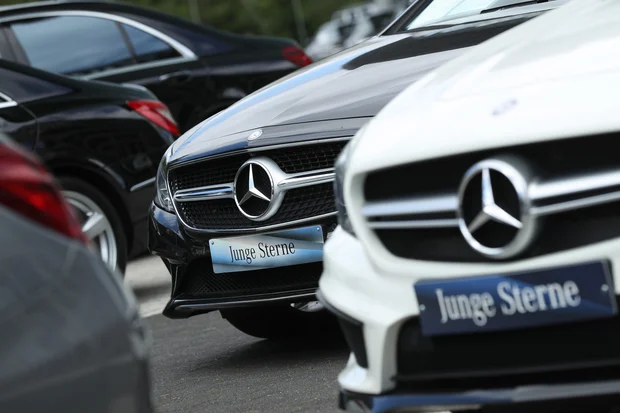
Mercedes-Benz has agreed to a settlement of nearly $150 million to resolve allegations from multiple U.S. states over emissions compliance, marking another chapter in the auto industry’s ongoing scrutiny of environmental standards. The settlement addresses claims that the company’s vehicles emitted higher levels of pollutants than allowed under federal and state regulations, including nitrogen oxides and other harmful compounds linked to air quality concerns.
State regulators alleged that certain Mercedes-Benz diesel and gasoline models were equipped with software or mechanisms that allowed vehicles to pass emissions tests under laboratory conditions while exceeding legal limits during real-world driving. The investigations spanned numerous states and involved cooperation between environmental agencies, attorneys general, and independent testing authorities.
Under the terms of the settlement, Mercedes-Benz will pay fines totaling approximately $149.5 million, with the funds directed toward environmental remediation, air quality projects, and consumer restitution programs. Regulators emphasized that the settlement is designed to hold the automaker accountable while also promoting cleaner air and ensuring compliance with emissions standards going forward.
Mercedes-Benz issued a statement expressing its commitment to environmental responsibility and compliance, noting that the company cooperated fully with state authorities. The automaker also highlighted its ongoing efforts to accelerate electrification, reduce emissions, and adopt greener technologies across its global vehicle lineup. Company executives emphasized that the settlement is not an admission of wrongdoing, but a resolution intended to avoid prolonged litigation.
Analysts say the settlement reflects broader trends in the auto industry, where regulators have increasingly focused on discrepancies between certified emissions levels and real-world performance. High-profile cases in the past, such as the Volkswagen diesel scandal, have underscored the financial and reputational risks for automakers found in violation of emissions standards. Mercedes-Benz’s settlement, while significant in monetary terms, also represents a proactive effort to resolve regulatory challenges before they escalate further.
Consumer advocates have noted that the settlement may include restitution programs for vehicle owners who were affected by the emissions discrepancies, though details will vary by state. In addition, environmental groups have called for continued monitoring of vehicle compliance and for automakers to invest in truly clean technologies, arguing that settlements alone are insufficient without systemic changes.
The automaker’s commitment to electric and hybrid vehicles is particularly relevant in this context. Mercedes-Benz has announced plans to expand its electric vehicle lineup aggressively over the next decade, aiming to transition toward carbon-neutral mobility. The settlement could provide an added incentive to accelerate these efforts and restore consumer and regulatory trust.
While $150 million is a significant penalty, industry analysts point out that Mercedes-Benz’s revenues and market position allow it to absorb the cost without major operational disruption. However, the reputational impact may extend further, reinforcing the importance of transparency, compliance, and environmental responsibility in the global auto market.
The settlement also highlights the continuing role of state-level enforcement in shaping environmental compliance. Even as federal regulators set baseline standards, state authorities have increasingly coordinated investigations and pursued civil penalties to ensure that automakers meet both national and local environmental expectations.
For Mercedes-Benz, the agreement marks a closure of a multistate chapter, but regulators and industry observers will be closely watching the company’s next steps. How quickly and effectively it implements emissions improvements, expands electric offerings, and maintains compliance could determine whether it strengthens or weakens its position in a rapidly evolving automotive landscape.












Leave a Reply