


The gaming world is bracing for another eventful year as analysts release predictions for 2026, highlighting potential delays, technological challenges, and long-awaited franchise returns. Among the top headlines, Grand Theft Auto 6 continues to face delays, artificial intelligence advancements are straining hardware requirements, and speculation around Half-Life 3 continues to captivate fans.
GTA 6 Faces Another Delay
Despite years of anticipation, GTA 6 is reportedly delayed again, according to industry insiders. The delay is attributed to both the ambition of the game and the technical challenges posed by modern expectations for open-world design. Fans have eagerly awaited Rockstar Games’ next installment, which promises unprecedented levels of interactivity, narrative depth, and graphical fidelity. Analysts suggest the delay is partly due to the incorporation of AI-driven NPCs and procedural world-building, which significantly increases the computational demands of the game. While frustrating for players, these delays may ultimately result in a more polished and innovative experience.
AI Advancements Driving Hardware Demands
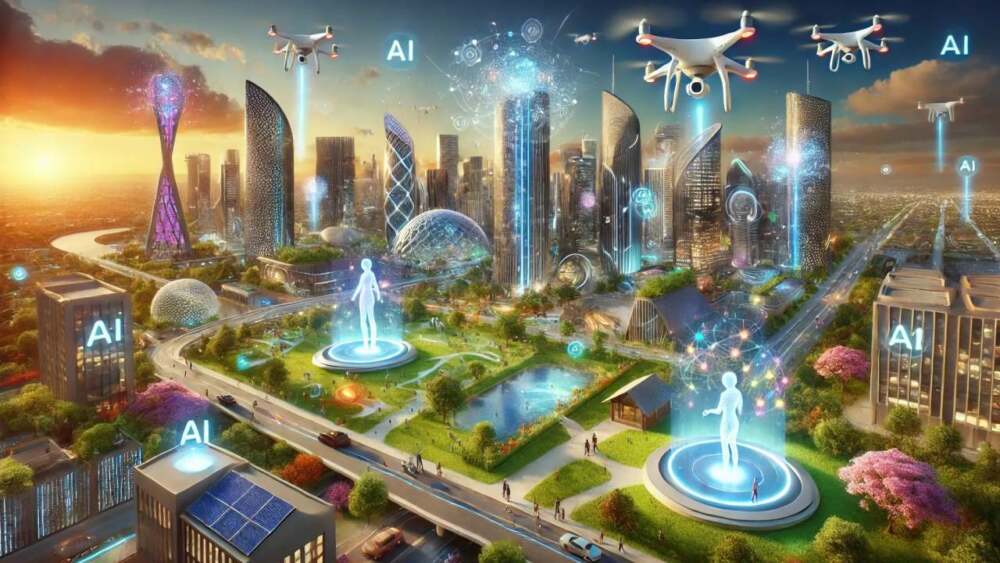
Artificial intelligence is increasingly shaping gaming experiences, but it is also pushing hardware limits. Next-generation games, including GTA 6, are expected to leverage AI for more realistic environments, adaptive enemy behavior, and smarter NPC interactions. However, these enhancements require substantial processing power, leading to concerns about whether current consumer hardware can keep up. Graphics cards, CPUs, and even memory bandwidth are being stressed like never before, prompting some enthusiasts to anticipate hardware upgrades to fully enjoy the latest titles. The industry is also exploring AI-assisted optimization to reduce performance bottlenecks without sacrificing quality.
Half-Life 3 Speculation Continues
Fans of Valve’s iconic franchise continue to speculate about Half-Life 3, a game that has become almost mythical due to its long history of rumors and delays. Analysts suggest that while Valve remains tight-lipped, 2026 could be a year when development rumors gain traction, especially given advancements in VR, AI, and physics engines that could redefine the franchise’s immersive potential. Though official confirmation is absent, Half-Life 3 remains a bellwether for franchise loyalty and fan excitement in the gaming community.
The Year in Gaming Predictions
Beyond delays and AI-driven hardware concerns, analysts predict 2026 will see a continued focus on cloud gaming, cross-platform play, and subscription-based services. Major studios are expected to explore more persistent online worlds, live-service content, and interactive experiences that blend traditional gameplay with social connectivity. Virtual reality and augmented reality may also see renewed interest as technology matures, creating opportunities for immersive storytelling and player engagement.
Esports and competitive gaming are expected to maintain momentum, with AI-driven coaching tools and analytics enhancing both player performance and audience engagement. Additionally, smaller indie developers could benefit from AI-assisted development tools, allowing them to create visually stunning and mechanically complex games with fewer resources.
Industry Challenges and Opportunities
While the future is exciting, challenges remain. Rising hardware costs, ongoing labor disputes, and the balance between monetization and player satisfaction could influence the success of major releases. Companies that navigate these issues effectively are likely to emerge as leaders, while those unable to adapt may struggle. The push for environmental sustainability in gaming—particularly regarding energy-intensive AI computations and cloud servers—could also shape development priorities.
For gamers, 2026 promises a mix of frustration, innovation, and excitement. Delays like those affecting GTA 6 may test patience, but they are also indicative of a broader industry commitment to quality and technological advancement. Meanwhile, speculative releases like Half-Life 3 will continue to inspire hope and discussion across forums and social media.
As AI and hardware capabilities evolve, the boundary between player and game may continue to blur, offering increasingly sophisticated and immersive experiences. Whether through highly realistic open worlds, AI-driven interactions, or revolutionary VR experiences, 2026 is poised to be a landmark year for both developers and gamers alike.









Leave a Reply