

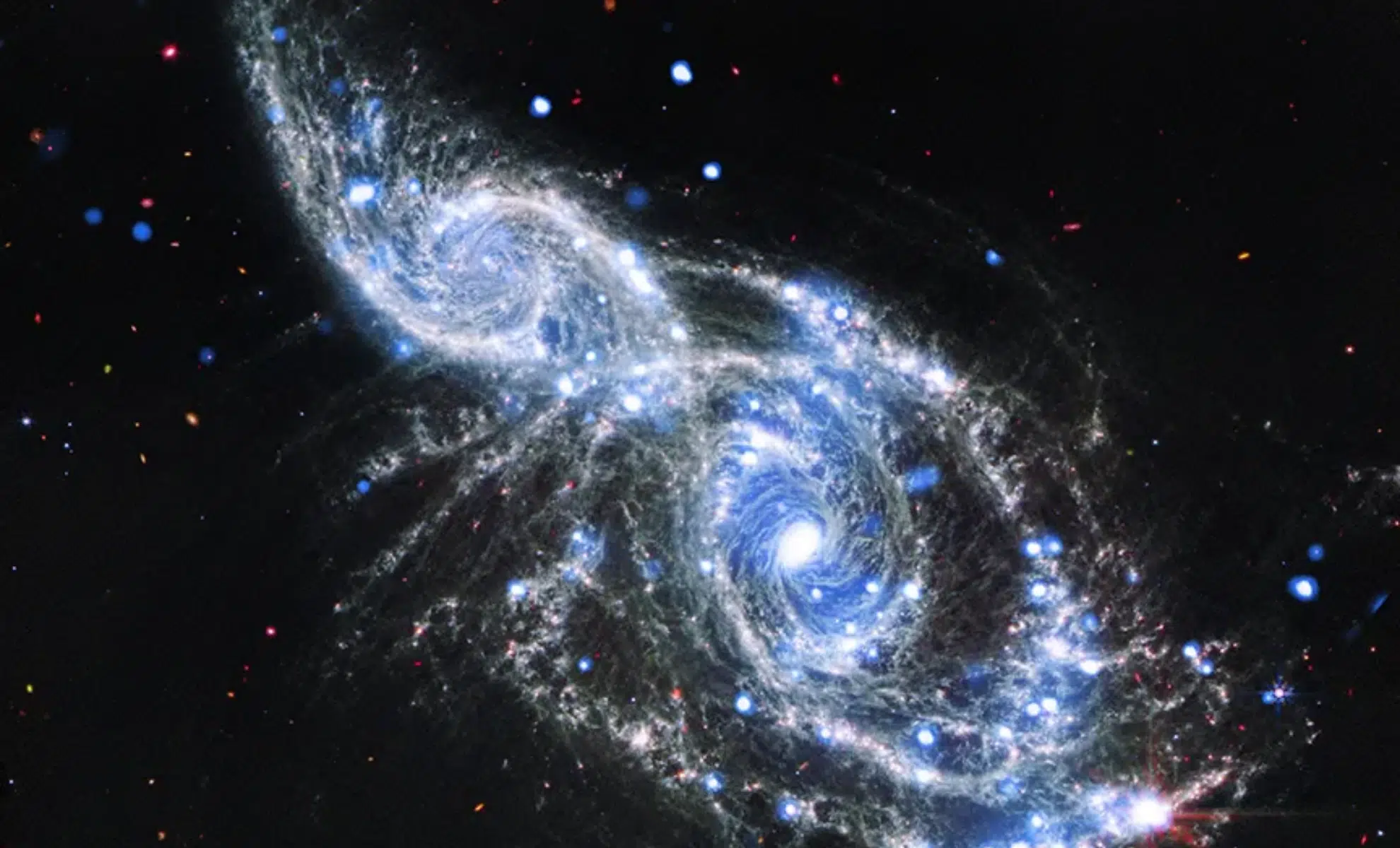
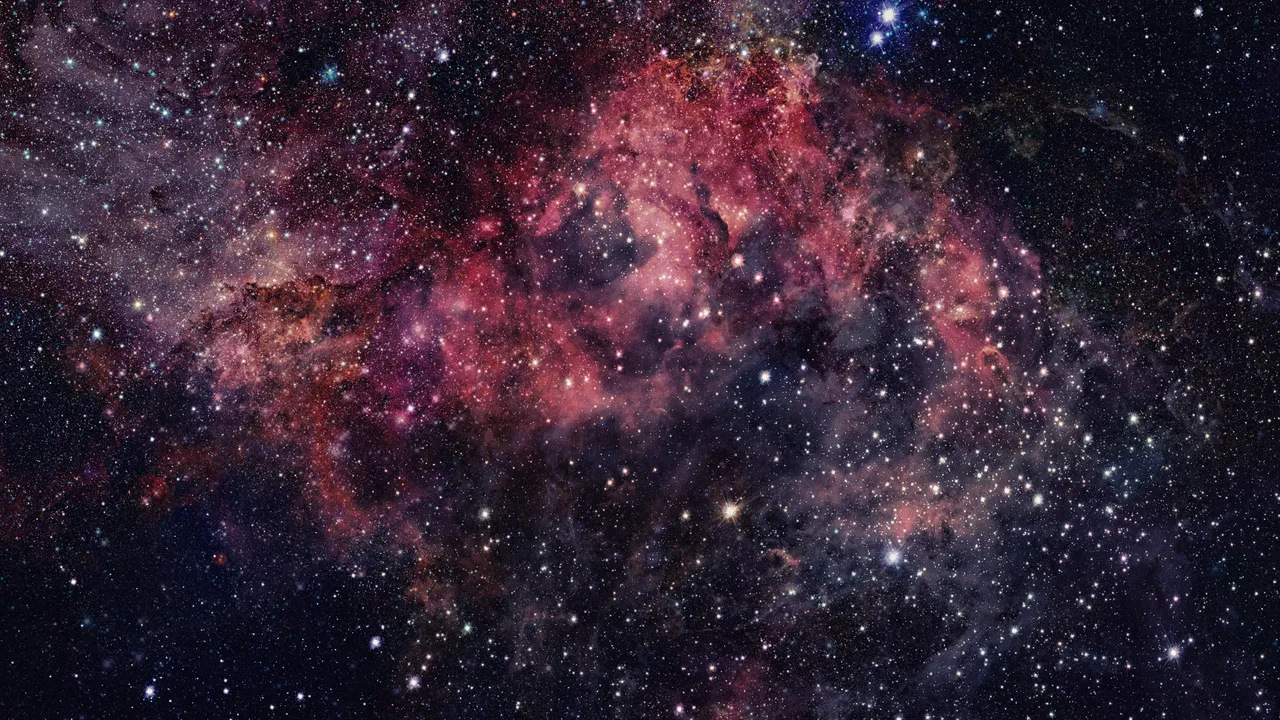
The James Webb Space Telescope (JWST) has once again amazed scientists and space enthusiasts, unveiling a breathtakingly detailed map of the early universe. This new cosmic survey provides an unprecedented glimpse into the formation of the first galaxies, offering critical insights into the origins and evolution of the cosmos.
The map, created using JWST’s powerful infrared capabilities, captures light from galaxies formed just a few hundred million years after the Big Bang. By observing in infrared, the telescope can penetrate cosmic dust and detect the faint glow of early galaxies that have long eluded astronomers. The resulting dataset presents a comprehensive view of the large-scale structure of the universe during its formative years, allowing scientists to study how galaxies clustered, evolved, and interacted.
Dr. Eleanor Chen, an astrophysicist involved in the project, described the map as “a milestone in our understanding of cosmic history. For the first time, we can see the distribution of early galaxies across vast stretches of space, revealing patterns that help us understand the processes driving galaxy formation and evolution.”
One of the most striking revelations of the survey is the diversity of early galaxies. Contrary to previous expectations that the first galaxies were small and uniform, the map shows a variety of galaxy types, including surprisingly massive and complex structures. This challenges existing models of galaxy formation and suggests that the universe became structured more rapidly than previously thought.
The map also sheds light on the distribution of dark matter, the invisible substance that makes up the majority of the universe’s mass. By analyzing how galaxies cluster and the gravitational effects on surrounding space, researchers can infer the underlying dark matter framework that guided galaxy formation. This provides valuable data for refining cosmological models and understanding the fundamental forces shaping the universe.
In addition to its scientific significance, the map demonstrates JWST’s extraordinary technical capabilities. The telescope’s combination of high-resolution imaging, infrared sensitivity, and precise instruments enables it to detect extremely faint objects billions of light-years away. This level of detail allows scientists to conduct studies that were previously impossible, from tracing star formation rates to identifying candidate galaxies for follow-up observations with other observatories.
Public reaction to the map has been one of awe and excitement. The images produced by JWST reveal the universe in unprecedented clarity, with galaxies appearing as vivid clusters, filaments, and intricate structures that tell the story of cosmic evolution. Space enthusiasts have praised the combination of scientific discovery and sheer visual splendor, highlighting JWST’s ability to inspire curiosity and wonder.
Looking ahead, astronomers plan to use this map as a foundation for a range of studies, including investigating the chemical composition of early galaxies, mapping star formation, and understanding the influence of supermassive black holes on galactic evolution. By providing a detailed snapshot of the universe’s earliest epochs, JWST is enabling a new era of cosmology that will refine our understanding of how the cosmos came to be.
The unveiling of this cosmic map underscores the transformative potential of the James Webb Space Telescope. By exploring the universe’s first billion years, it is rewriting textbooks, challenging assumptions, and offering humanity a closer look at its cosmic origins. Scientists anticipate that the discoveries enabled by this map will continue to shape astronomy and astrophysics for decades to come.











Leave a Reply